
Articles
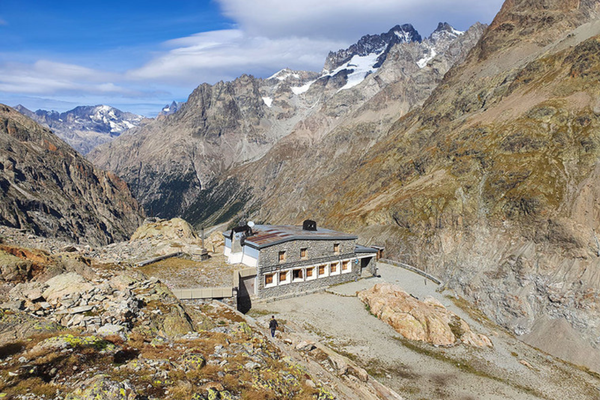
Alpine huts: the first victims of the climate crisis?
Water shortages, disintegrating mountains and renovation needs: managing Alpine huts has always been difficult, but the climate crisis is making the situation even worse. The Austrian Alpine Association has already issued an “Emergency call from the Alps”.
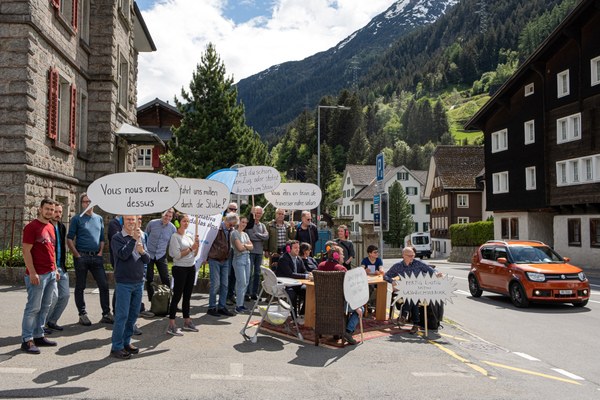
Sustainable traffic management, not lawsuits
CIPRA representatives along the transport axis over the Brenner Pass are calling for sustainable traffic management instead of populist grievances. Now Switzerland is facing a renewed increase in traffic.
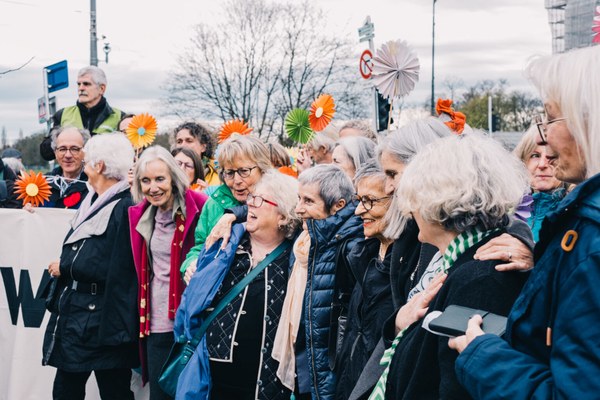
Lawsuits and laws for climate protection
Climate protection laws define clear climate targets, but for many the measures set out are insufficient. Climate lawsuits are increasing political pressure in the Alpine countries.
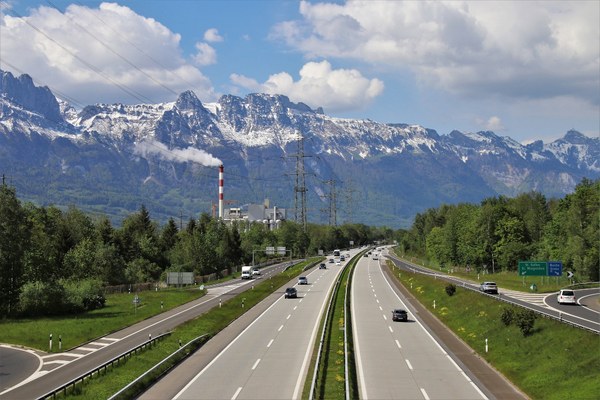
Hidden CO2 emitters
Climate protection measures are expensive, which is why they are regularly criticised and rejected. How then can it be that at the same time the Alpine states are spending billions on environmentally harmful subsidies?
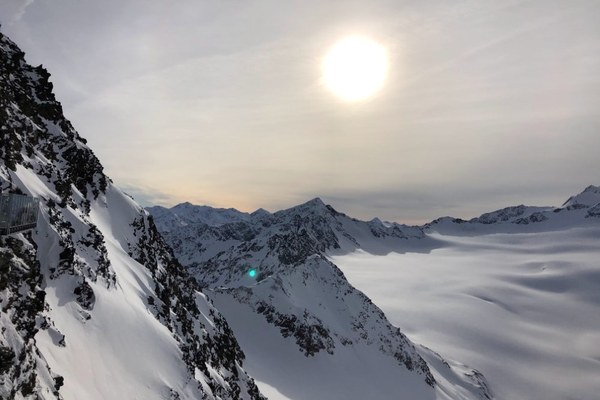
No glacier marriage in Tyrol
Finally it’s official: the plans for the world’s largest glacier ski area are history. In November 2022, the Tyrolean federal state government rejected the planned merger of the glacier ski areas in Austria’s Ötztal and Pitztal valleys.
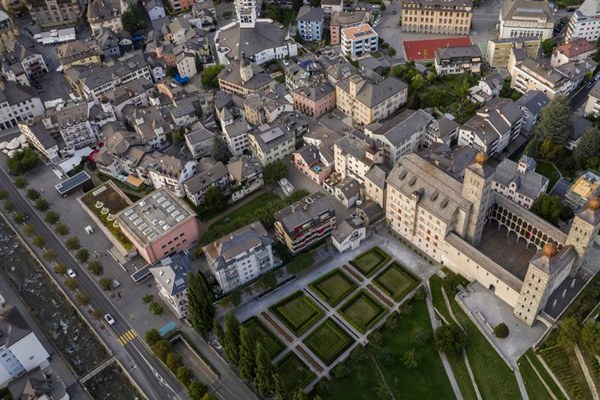
Alpine towns – key to sustainable development
The ninth Report on the State of the Alps, entitled “Alpine Towns”, was presented as part of the Swiss presidency of the Alpine Convention. It sheds light on how the Alpine settlement system hinders – or helps – the sustainable development of the Alps.

Point of view: Let’s create an “Alpine Plan” for all Alpine regions!
The Bavarian Alpine Plan celebrates its 50th anniversary in 2022. Alpine spatial planning has proven here that it is predestined to find solutions to the pressing issues of the day. Similar planning instruments are lacking in many Alpine regions, although we need them more urgently than ever, claim Paul Kuncio, Executive Director of CIPRA Austria, and Uwe Roth, Executive Director of CIPRA Germany.
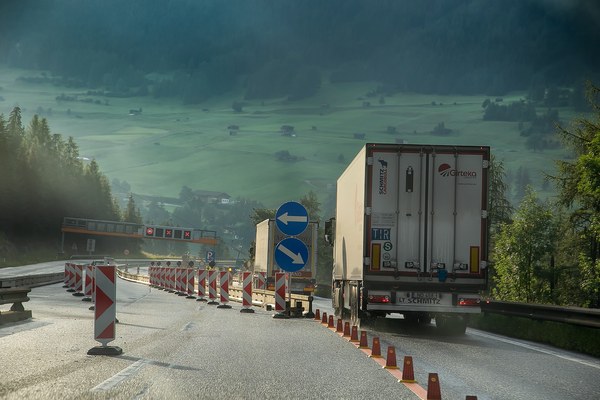
Truck promotion instead of ecology
The European Parliament has shown no understanding. Even the last rescue attempts by three parliamentarians were shot down. The new toll regulation for road haulage on European motorways will lead to the one-sided promotion of hydrogen and electric engines. This will lead to a massive disadvantage for freight transport by rail and to even more trucks.
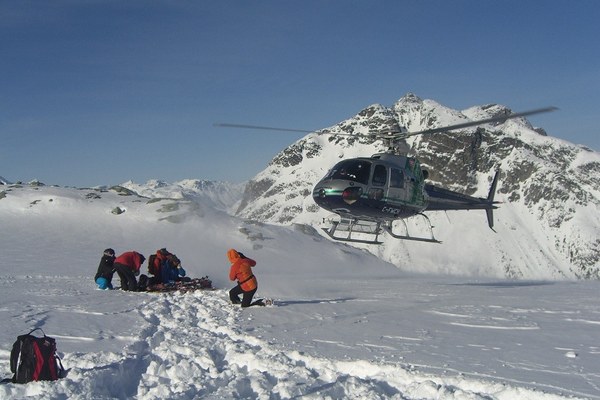
Onto the slopes by helicopter
Is heliskiing in the public interest? Vorarlberg extends its authorisation by two and a half years: CIPRA Austria calls for greater emphasis on climate protection.
Under the magnifying glass
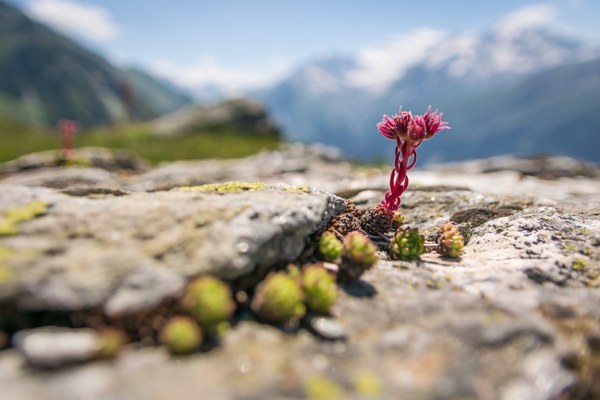
What treasures and resources are hidden in the Alps? How do we deal with them as sustainably as possible? These and similar questions are posed in the August 2021 issue of SzeneAlpen.
Mobile in the Alps
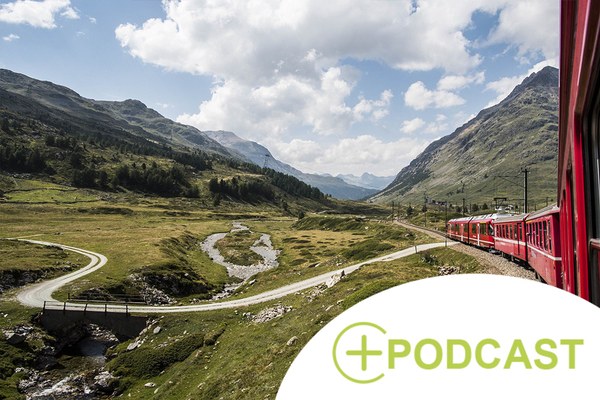
By rail, by road, by mountain path: numerous CIPRA projects show just how diverse sustainable mobility can be.
Climate crisis makes mountains crumble
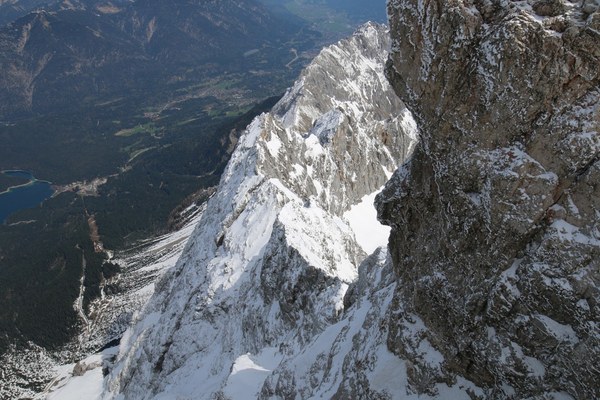
Rockfalls and rockslides are nothing new in the Alps, but dwindling permafrost is making the situation even worse – for mountaineering and for villages.
Point of view: For glaciers without a circus
The largest glacier ski resort in the Alps is to be built in Tyrol, Austria - on already melting glaciers. The planned connection of the ski areas in Pitztal and Ötztal goes against all reason, says Kaspar Schuler, Co-Manager of CIPRA International.
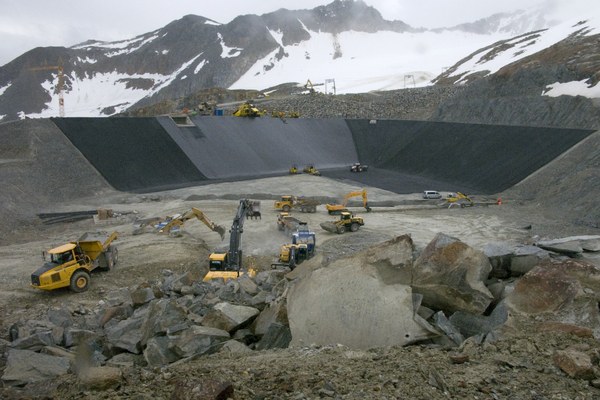
Building – a bottomless pit?
Whether it is a question of major projects or infrastructure developments in protected areas – Alpine countries such as Austria and Switzerland cannot build quickly or easily enough.
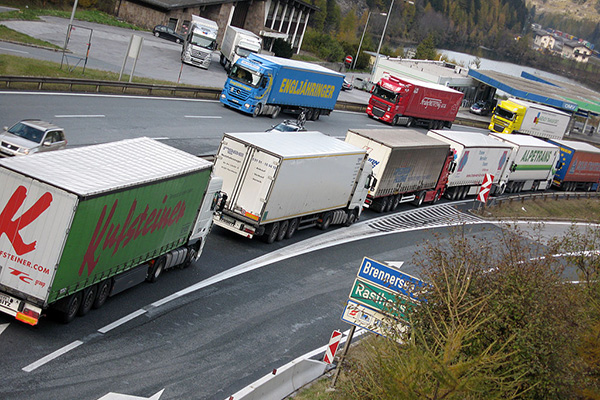
The Brenner Pass: transit trouble
The year 2017 saw record numbers of trucks crossing the Brenner Pass. Now there is an opportunity to find a solution to the problem.
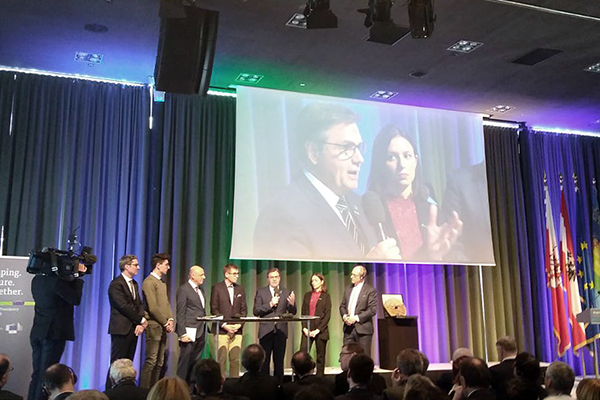
What now for the Alpine strategy?
Since January, the Austrian federal state of Tyrol has been chairing the European strategy for the Alps. This year will see a decision on how the strategy will be implemented in practice.
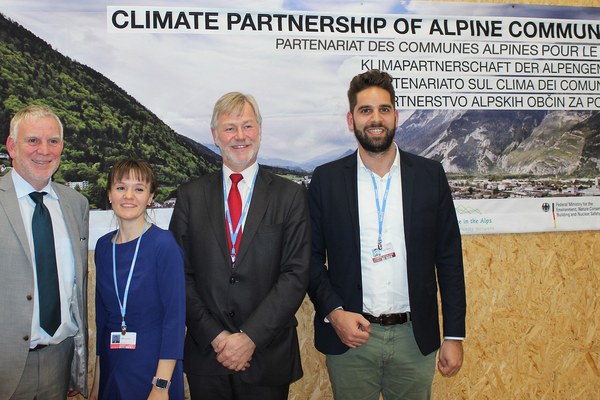
The Alps as the focus of climate policy
Temperatures in the Alps are rising faster than the global average. The search for solutions is not limited to the World Climate Conference being held in Bonn, Germany.
Reliable partnerships right across the Alps
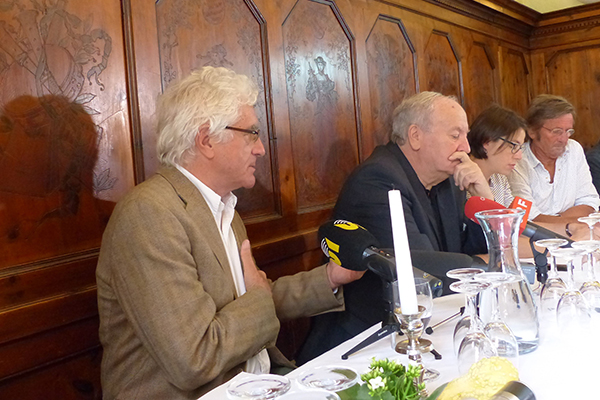
CIPRA Austria, CIPRA Germany, CIPRA South Tyrol. Right now the cable car industry is all about superlatives. Indeed, the “world’s greatest glacier ski area” is to be created by linking up the ski resorts in the Austrian Pitztal and Ötztal valleys.
No ski-lift connection permitted in nature reserve
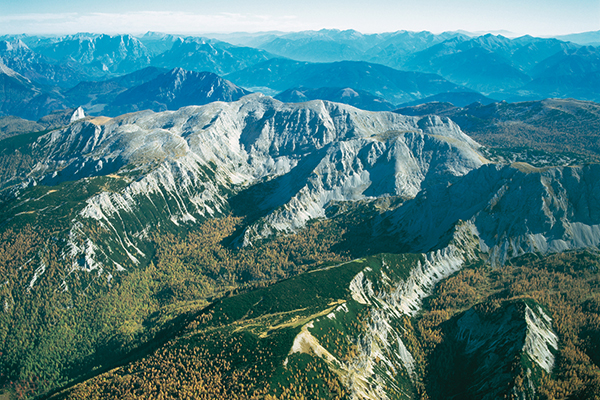
The Federal State of Upper Austria gave its legal opinion on the expansion of the “Höss-Wurzeralm” ski area in April. The matter is now on file.
The Alpine Convention in action
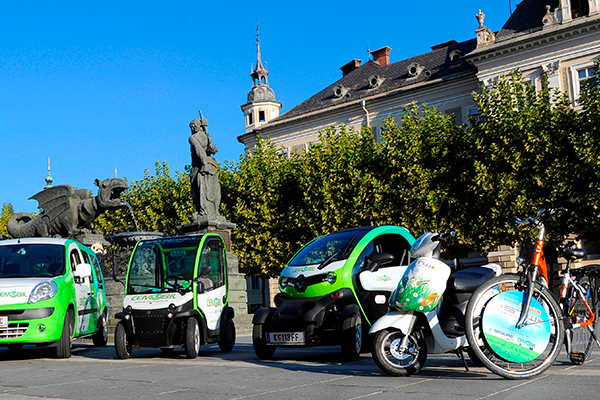
Urban areas are not often directly thought of in connection with the Alpine Convention - “the Alps are mountains, not cities” is the refrain. The Austrian city of Klagenfurt contradicts such views.
Better protection for natural spaces
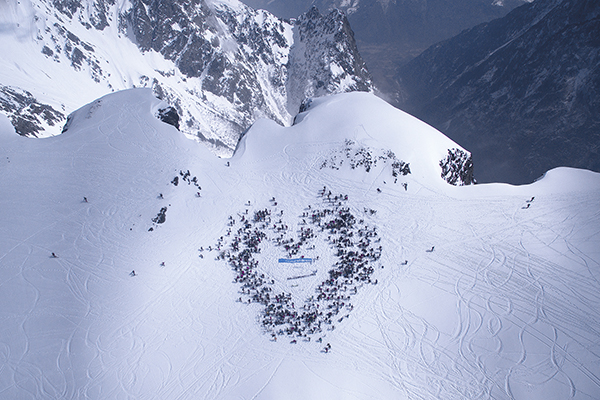
Resistance is growing across the Alps against construction activities in pristine or largely unspoilt areas. CIPRA is making an appeal for integrative spatial planning to the Alpine states meeting this week in Murnau, Germany.
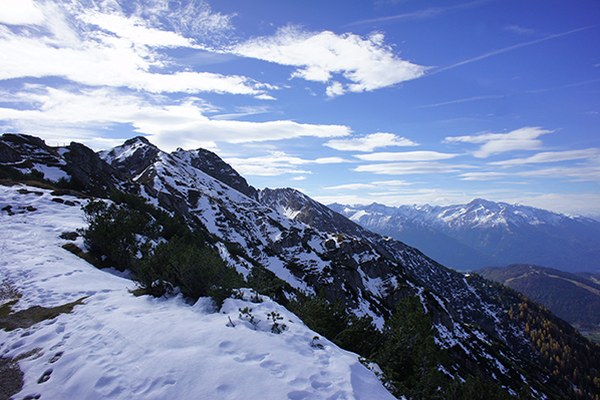
Working together for the future of the Alps
In terms of policymaking for the Alps, 2014 was an eventful year. The stage was set for the development of a macro-regional Alpine strategy to find transnational solutions to problems encountered throughout the Alpine space and develop innovative projects specifically targeted at the Alps, and progress was made in defining the terms of reference.
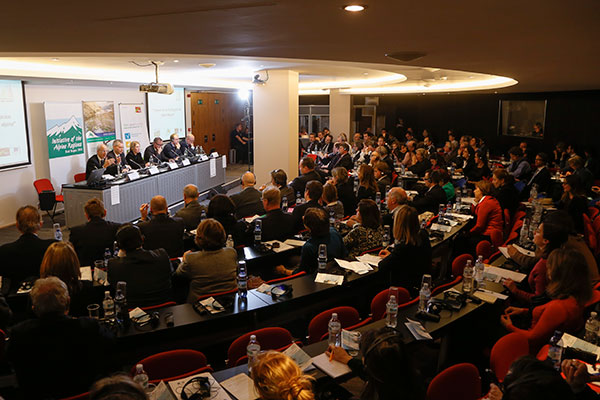
Improvisational Theatre: Macro-Region for the Alps
Is it a comedy, a farce, or a whodunnit? In any case, the subject matter - an Alpine macro-region - is controversial and the cast high-powered. Inspired by the EU, Alpine countries and regions take to the stage while the Alpine Convention assumes the role of input provider.

Point of view: who will fill the macro-regional Alpine house with life?
Just as in the building of a house, the inhabitants are the most important persons involved in the Alpine macro-region. But, eight weeks after the start of the process, states and regions have yet to indicate to the representatives of civil society whether they may contribute. R.S.V.P.

We are the macro-region Alps
On 19 December 2013 the European Council will decide whether there should be a European strategy for the Alpine space. States and regions have been working for months on an appropriate proposal - while excluding representatives of civil society. Why the alpine macro-region needs the science, NGOs and municipalities.

NGOs demand participation in the Alpine macro-region
Observer organisations of the Alpine Convention are bewildered at their exclusion from the Alpine macro-region. They are demanding their inclusion in the ongoing process for a macro-regional Alpine strategy.

Who will shape the Alpine macro-region?
With its "Alpen.Leben" (Living in the Alps) project, CIPRA Austria is sounding out the role of the Alpine Convention for a macro-regional strategy and is asking who should actually have a say in shaping this European Union strategy for the Alps.
Boost for the macro-region Alps
The European Union is publishing its first analysis of existing macro-regions - encouraging news for current developments in the Alpine space.

Macro-region: Europe goes a step further
The European Parliament has adopted a resolution on a macro-regional strategy, while the Alpine Space Programme submitted an expert report to the European Union.
CIPRA's point of view: Shaping the macro-region Alps according to the Alpine Convention - but better
Many people in the Alps are afraid of being marginalised by the surrounding metropolitan areas. But the expansion of the sphere of action and influence also offers numerous opportunities - if we rise to the challenge, CIPRA believes.