
Articles
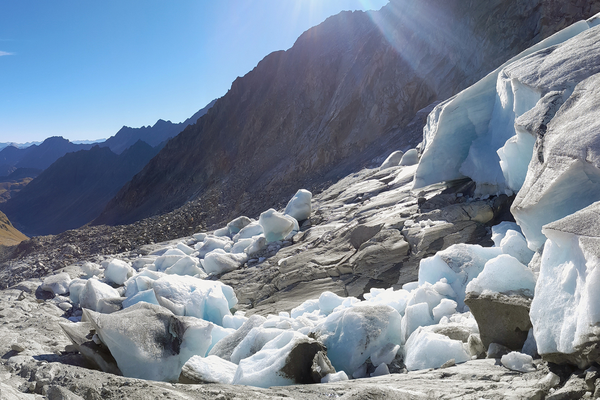
Collapsing Alpine glaciers
Austria’s ice giants are shrinking rapidly and literally crumbling away; Germany will soon be ice-free. Research shows that retreating glaciers mean we are losing not only water reservoirs, but also archives of human history.
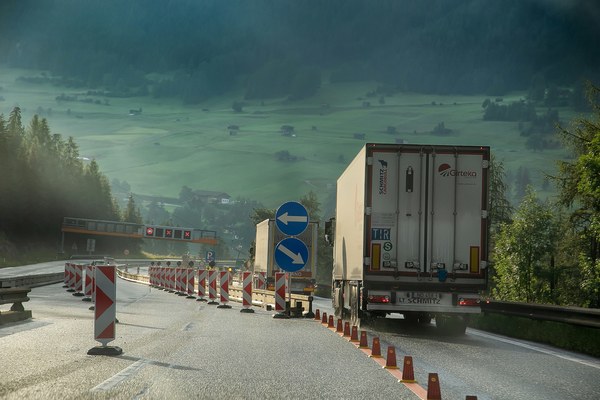
Legal dispute over Alpine transit: environmental organisations fear a domino effect
On 21 April 2026, the European Court of Justice (ECJ) in Luxembourg heard Italy’s transit case against Austria. It must decide which takes precedence: the free movement of goods, or the protection of people and the environment. In an open letter, 67 environmental organisations are calling for the transit restrictions and air quality measures on the Brenner route to be maintained.
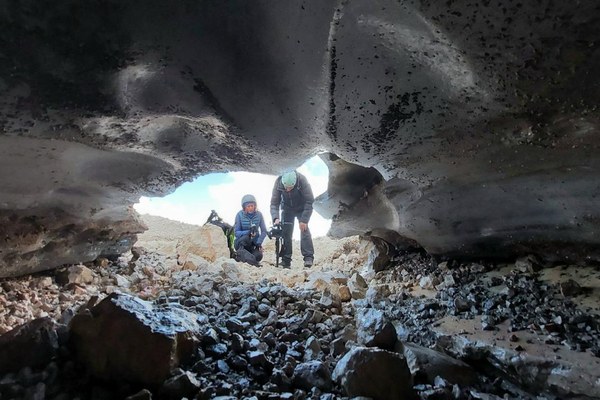
International Youth Camp - Mountaineering to the Remains of the Triglav Glacier
The shrinking of the Triglav Glacier is one of the most direct pieces of evidence of climate change. Due to the continuous reduction of its area, we are likely the last generation that can still observe the remains of the Triglav Glacier in person. Young people aged 18 to 29.9 from Austria, Italy, Liechtenstein, and Slovenia have the opportunity to take part in a unique multi-day event dedicated to exploring this very glacier. The event will be held in English.
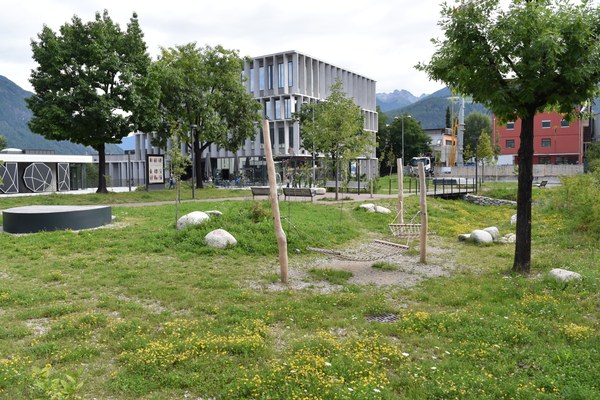
Three years for living soils: Ground:breaking takes stock
Through the Ground:breaking project, CIPRA has spent three years demonstrating how sealed soils can be revitalised – and why this is crucial for the climate, biodiversity and quality of life in the Alpine region.
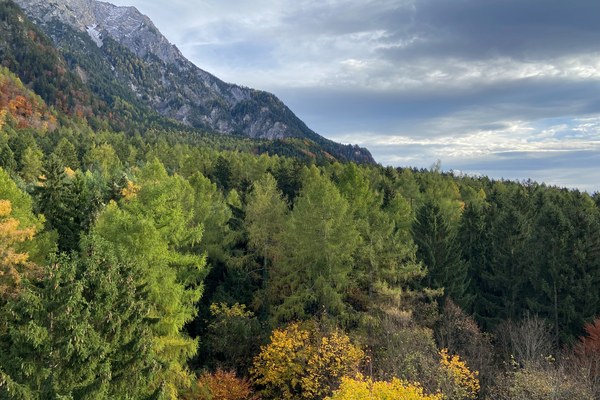
Act now to protect forests: sign the #HandsOffNature petition!
More than 40 percent of the Alpine region is covered by forests. They are not only a defining feature of the landscape, but also a cornerstone of Alpine livelihood, providing building materials, supporting biodiversity, and delivering essential ecosystem services.
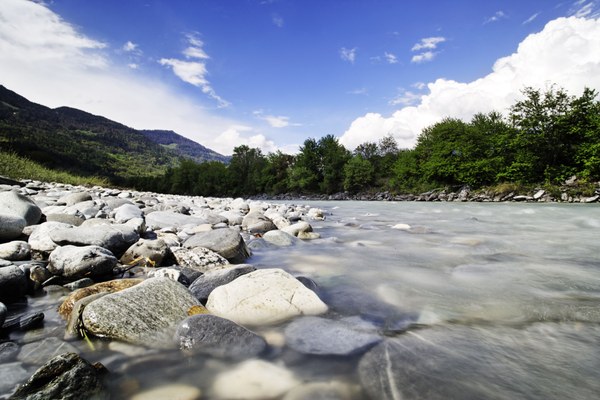
When nature loses, we all lose
The air we breathe, the water we drink, the food we eat, the safety of our homes – all depend on strong environmental laws. Right now, those protections are under attack. Once they’re gone, we hand the keys of our future to those who see nature only as a resource to exhaust. In the EU, environmental laws are being gutted, under the promise of “simplification” of the legal system. But in reality, these changes will only profit greed, while endangering the lives of all.
![[3 questions to … ] Francesca Pasetti Bombardella](https://alpeninbewegung.org/en/news/3-questions-to-francesca-pasetti-bombardella/@@images/image-600-93ddabd8343a686678bf11034747f4cf.jpeg "[3 questions to … ] Francesca Pasetti Bombardella")
[3 questions to … ] Francesca Pasetti Bombardella
2026 is the International Year of Rangelands and Pastoralists (IYRP 2026) aimed at raising global awareness of the critical importance of rangelands and pastoralist communities, managed by FAO during the whole 2026. Francesca Pasetti Bombardella is co-chair of the Regional IYRP Support Group Europe.
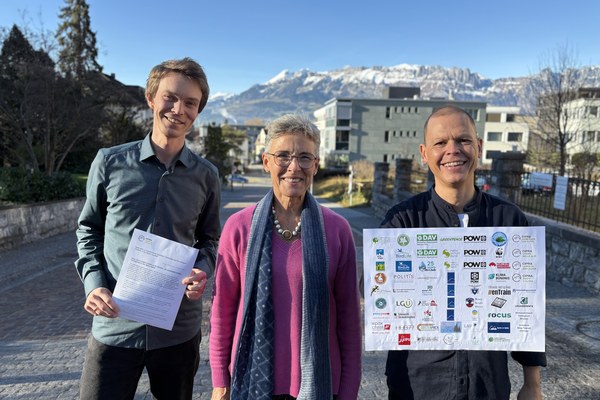
Open letter: Protecting the Alps from excessive transit traffic
The Alpine region is under increasing pressure from the climate crisis, air pollution and ever-growing traffic volumes: 67 organisations, led by CIPRA International, have therefore sent an open letter to EU Commissioner Apostolos Tzitzikostas and the transport ministers of the Alpine countries.
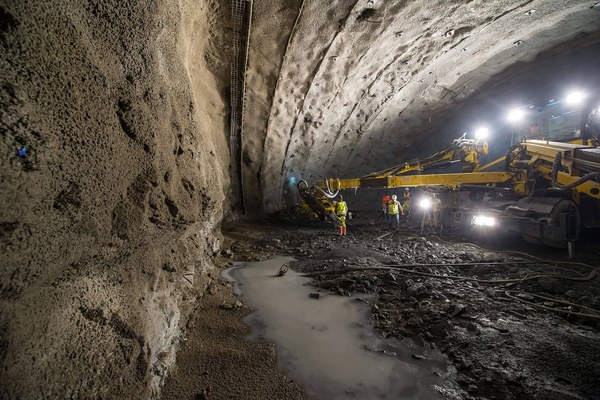
Going underground? One tunnel breakthrough, numerous question marks
On 18 September 2025, politicians from Austria and Italy celebrated the breakthrough of the Brenner Base Tunnel between Austria and Italy. They dream of “smooth traffic” through and over the Alps – but many questions remain unanswered.
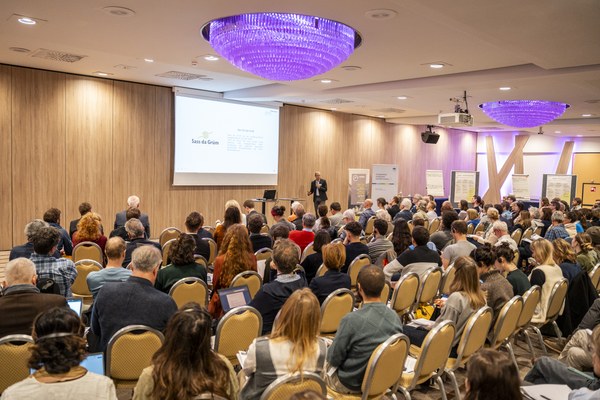
Dialogue on Alpine Spatial Planning: Proceedings of the CIPRA Annual Conference 2025
How can Alpine Spatial Planning mitigate conflicts between the energy transition and nature restoration? This question was addressed at the CIPRA Annual Conference 2025 in Salzburg, which brought together more than 160 participants. The proceedings show key insights and recommended actions – not in a concluding way, but as part of an ongoing learning process and as an impulse for further debates. They underline the shared understanding that the energy transition in the Alpine region must be approached and implemented in a cross-sectoral, interdisciplinary, and transboundary manner.
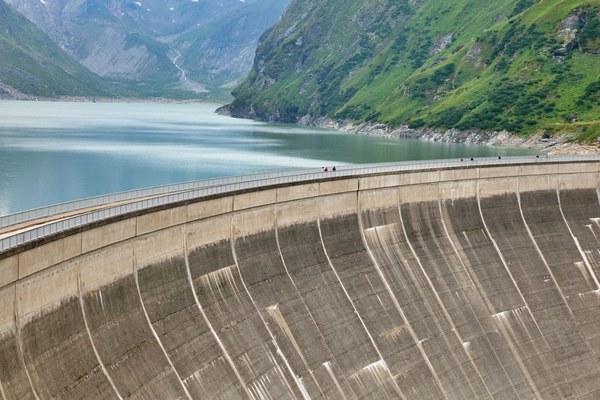
Controversial dams
New dams for electricity and water supply are being planned across the Alpine region. Environmental organisations are warning of irreversible damage to the Alpine environment and calling for a rethink in favour of nature-friendly alternatives.
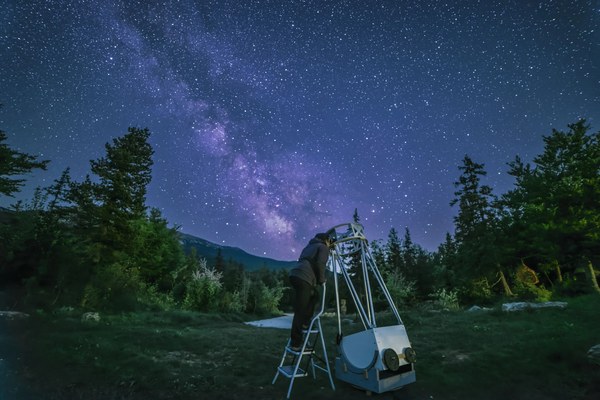
Keeping our eyes on the stars
Dark nights have become a rarity in our bright world. Artificial light from settlements, industry, street lighting and billboards illuminates the night sky. In Austria, a new natural night sky area is being created that will preserve the view of the starry sky.
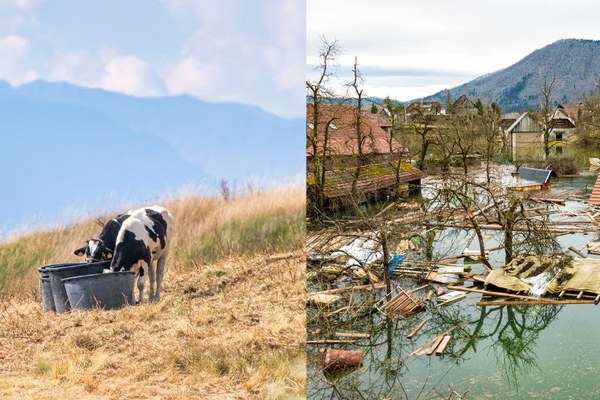
Climate risks: better to prepare than to wait
Early warning systems for heavy rainfall, prediction models for droughts: the MultiBios project, completed in April 2025, saw biosphere parks from German-speaking countries sharing their experiences in dealing with climate risks. A research team investigated their role in natural hazard management.
Too much water, too little water: excursion to the Vienna Woods
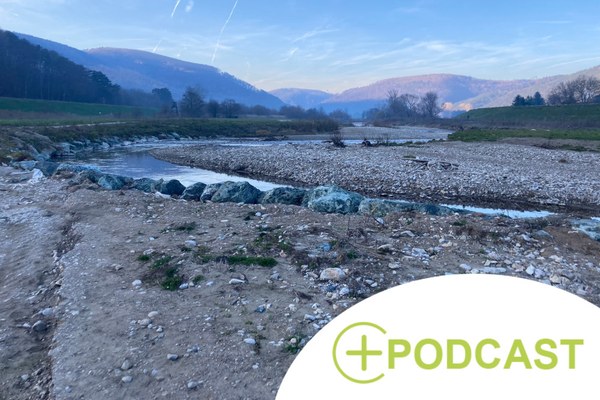
How do drones detect illegal campfires? How do settlements protect themselves from the next flood? What do forest fires have in common with avalanches? At the end of November 2024, an excursion to the Vienna Woods Biosphere Reserve by participants in the MultiBios project looked for answers.
An end to snowmobiles and heliskiing
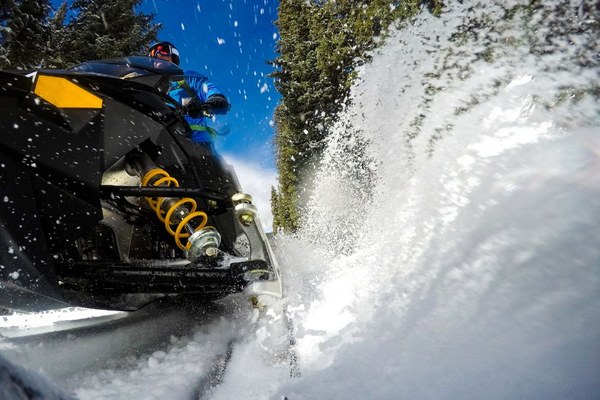
In France, snowmobile tours are now officially banned in the Chamrousse ski resort; other areas could soon follow suit. In Austria, environmental organisations are calling for an end to heliskiing.
Alpine huts: the first victims of the climate crisis?
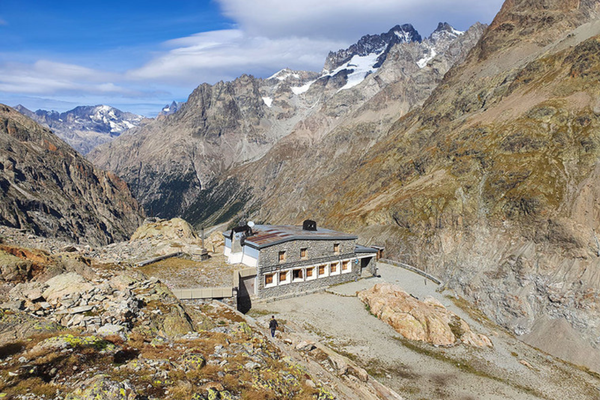
Water shortages, disintegrating mountains and renovation needs: managing Alpine huts has always been difficult, but the climate crisis is making the situation even worse. The Austrian Alpine Association has already issued an “Emergency call from the Alps”.
Sustainable traffic management, not lawsuits
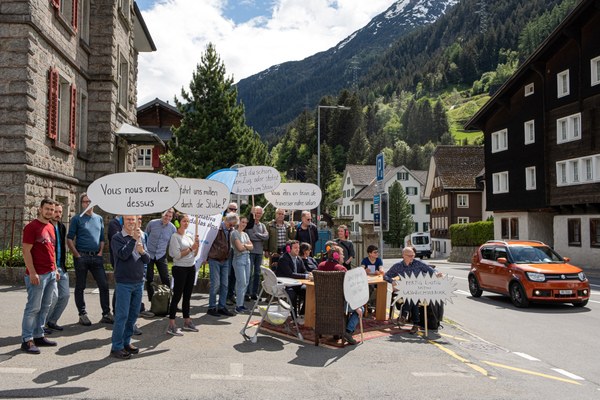
CIPRA representatives along the transport axis over the Brenner Pass are calling for sustainable traffic management instead of populist grievances. Now Switzerland is facing a renewed increase in traffic.
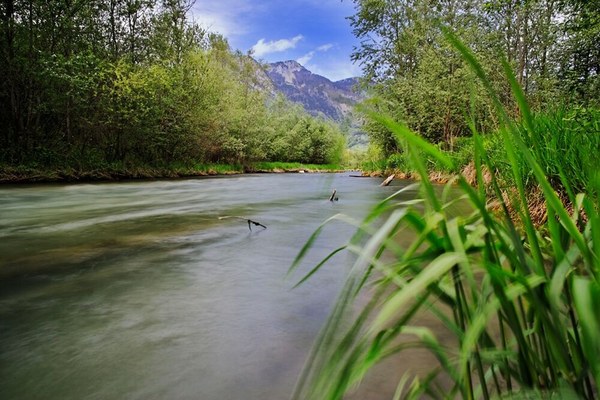
Green light for Nature Restoration in the EU
The majority of EU environment ministers voted in favour of the Nature Restoration Law on 17 June 2024. The decisive factor was the courageous and foresighted last-minute approval by Austria's Environment Minister.
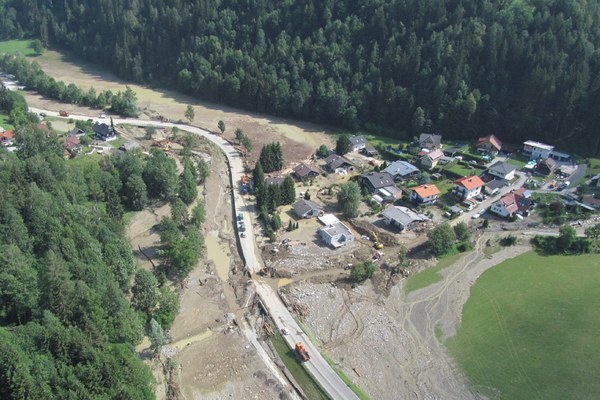
After the flood
What role could biosphere reserves play in dealing with climate risks? This was the subject of an international workshop organised by the MultiBios project in Bad Kleinkirchheim/A at the beginning of April 2024, which included a site visit to the Gegendtal valley that was affected by heavy rainfall and flooding two years ago.

Implementing simple ideas for more climate protection
Simply do it is the motto of the EmpowerLIFE project launched in 2023. It supports people in realising their do-it-yourself ideas and plans in relation to climate protection. The climate crisis and the energy crisis that emerged in 2022 are motivating many people to take action: they simultaneously want to live more sustainably, help shape the future and reduce costs.
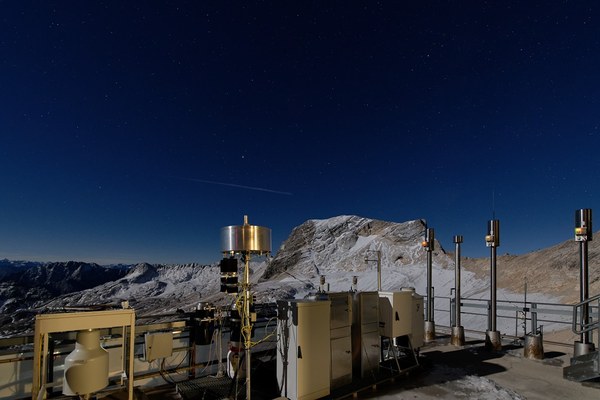
Extreme weather at a glance across the Alps
At the end of November, a new Alpine-wide research centre presented itself to the public at the Schneefernerhaus, the German environmental research station below the Zugspitze peak: the “TUM Alpha – Centre for Alpine Hazards and Risks” will coordinate, on an international basis, the prediction of extreme climate events in the mountains.
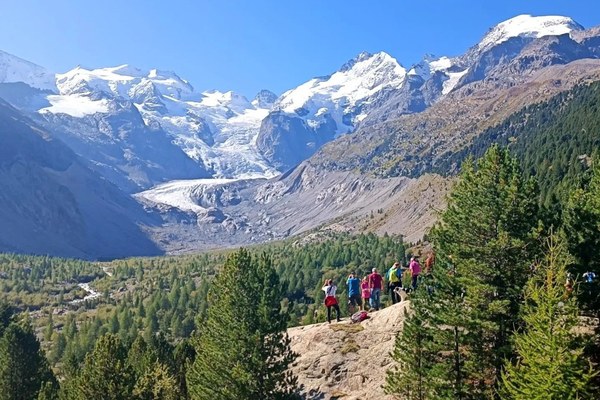
International Glacier Caravan
Six stages through three Alpine countries: this year’s international campaign by the Italian environmental organisation Legambiente, with the participation of CIPRA, condemned the retreat of the glaciers and thus raised awareness of climate change.
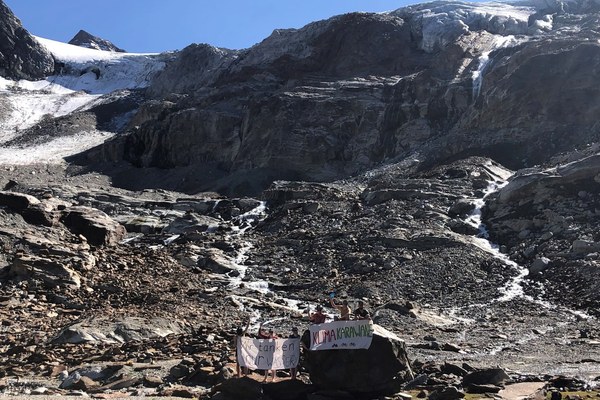
Cycling to the glacier
Exactly how mountaineering and climate protection can be combined was shown by a group of cyclists who biked from Lindau/D to the Ochsental Glacier/A at the start of September 2023. Topics along the way ranged from sustainable tourism to hydropower and nature conservation to glacier loss.
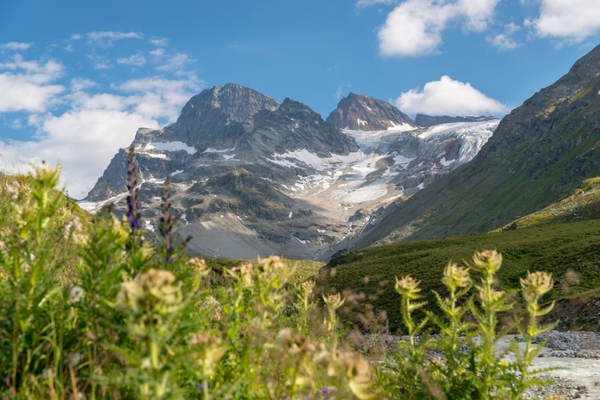
Experience the last of the glaciers
Recharge your batteries, go cycling, visit the glaciers: the Alpine Climate Camps project combines mountain sports with climate protection, further encouraging young climate activists. A bicycle tour in Austria at the beginning of September 2023 and other activities in Switzerland and Italy will draw attention to the disappearing glaciers.
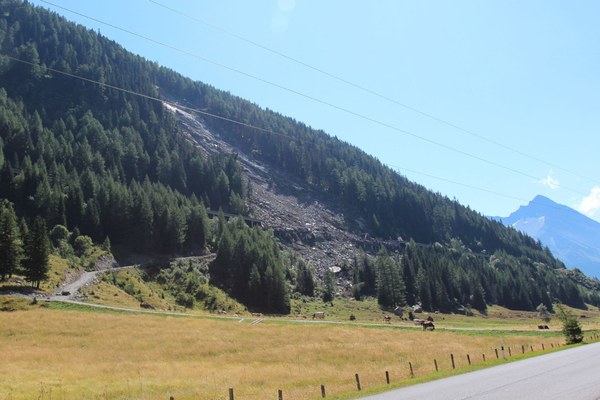
Managing climate risks in biosphere reserves
As an effect of climate change, droughts, floods and other natural hazards are becoming more frequent, sometimes even simultaneously. How can we as a society learn to cope with this and become more resilient in the process? What role can biosphere reserves play in the Alpine region and beyond? With CIPRA participation, a new research project is now looking into these questions.
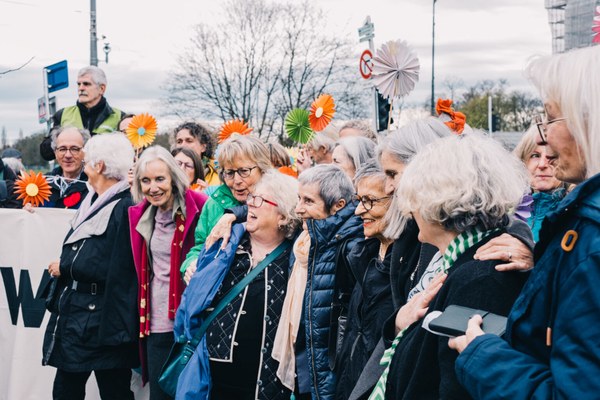
Lawsuits and laws for climate protection
Climate protection laws define clear climate targets, but for many the measures set out are insufficient. Climate lawsuits are increasing political pressure in the Alpine countries.
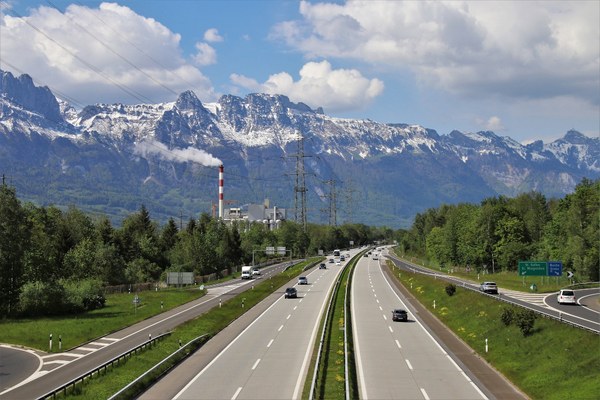
Hidden CO2 emitters
Climate protection measures are expensive, which is why they are regularly criticised and rejected. How then can it be that at the same time the Alpine states are spending billions on environmentally harmful subsidies?
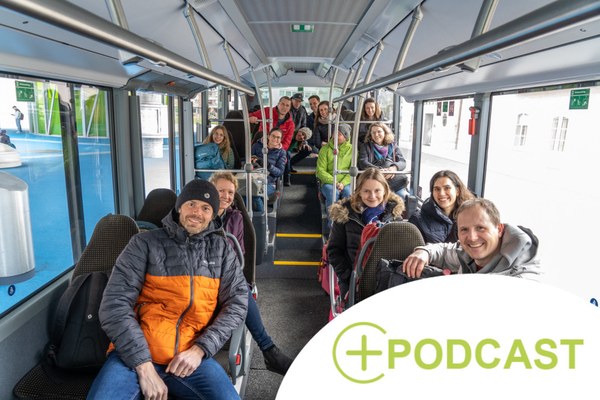
Commuting made easy
Commuting to work in healthier, more environmentally friendly ways: this is the goal set by the Slovenian municipality of Škofja Loka and local companies in the Trata 2.1 project, inspired by the experiences of corporate mobility management in the Alpine Rhine Valley.
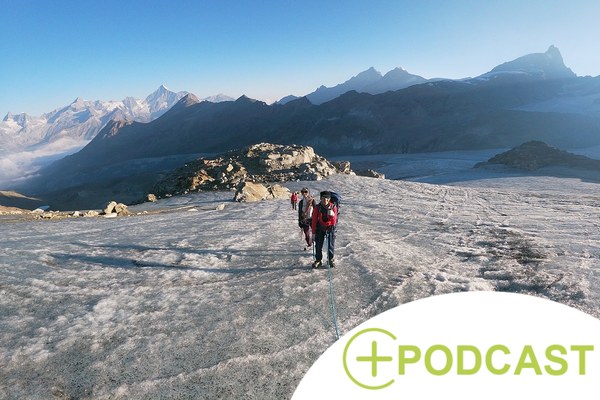
Expedition for future female glacier researchers
Stay overnight on the glacier for over a week, climb peaks, carry out scientific experiments: the “Girls* on Ice” project offers girls an awe-inspiring summer experience.
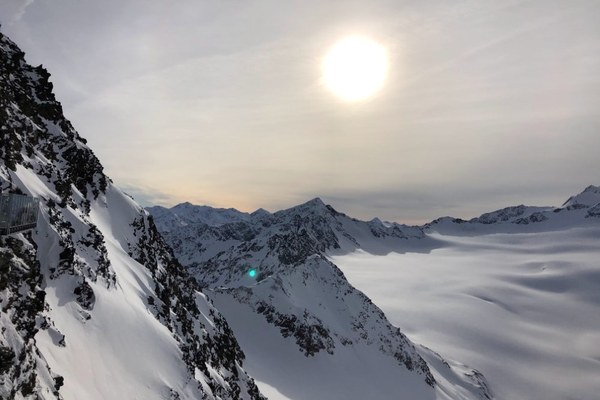
No glacier marriage in Tyrol
Finally it’s official: the plans for the world’s largest glacier ski area are history. In November 2022, the Tyrolean federal state government rejected the planned merger of the glacier ski areas in Austria’s Ötztal and Pitztal valleys.