
Act now to protect forests: sign the #HandsOffNature petition!
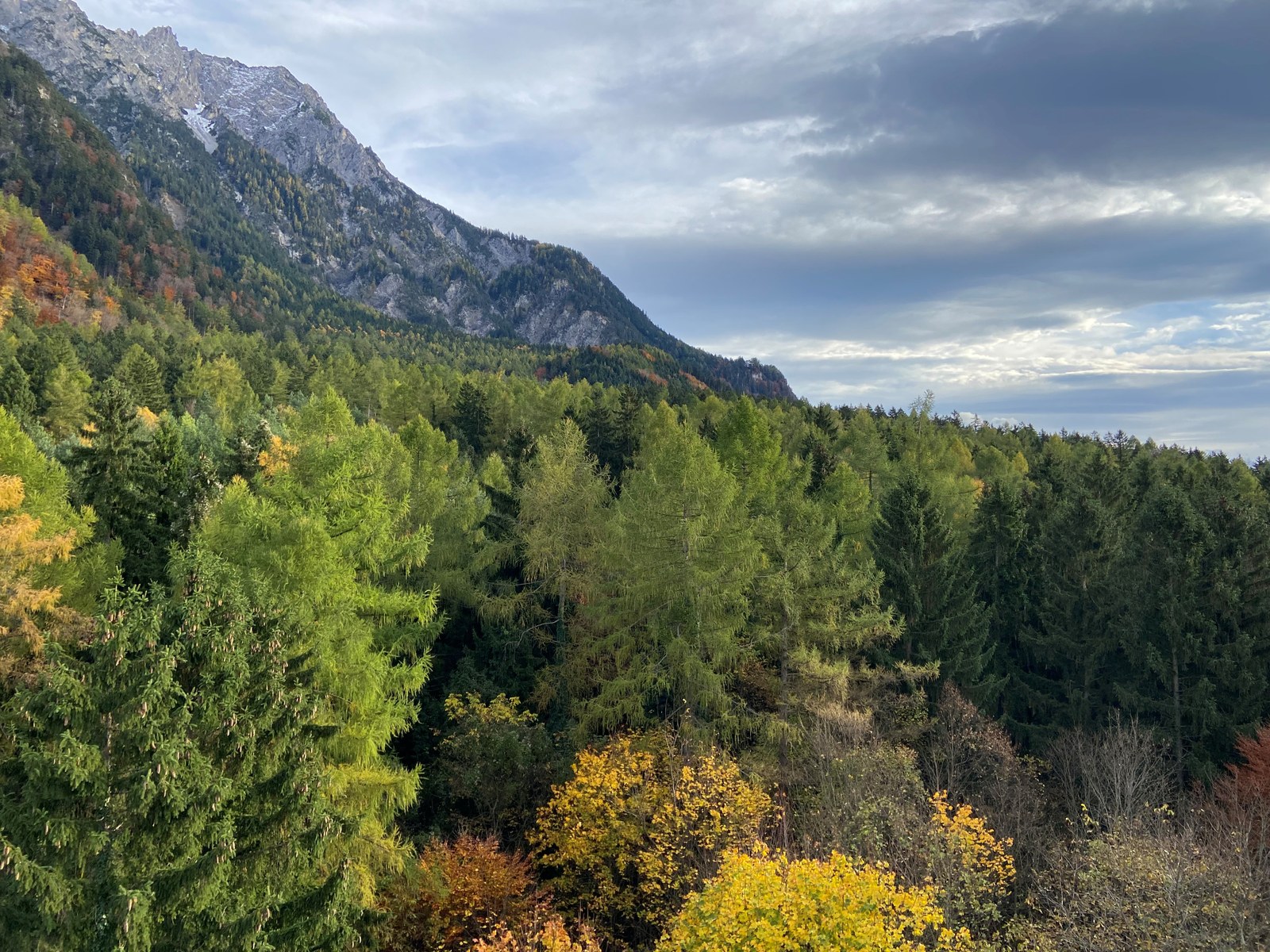
More than 40 percent of the Alpine region is covered by forests. They are not only a defining feature of the landscape, but also a cornerstone of Alpine livelihood, providing building materials, supporting biodiversity, and delivering essential ecosystem services.

Who is CIPRA?
Find out more!
More articles
CIPRA Internationale Alpenschutzkommission | Schaan, LI
Budoia: Lots of interest in (and enthusiasm for) the organic canteen
In spite of the difficulties Budoia is pushing ahead with the school canteen project, driven by the enthusiasm of parents, teachers and children. Thanks to the prize money from the Future in the Alps competition it has been possible to continue promoting the Project among the families and maintaining the education on nutrition among the schoolchildren.
CIPRA Internationale Alpenschutzkommission | Schaan, LI
DYNALP²: Visions and actions to ensure young people remain in their mountain communities
The DYNALP² workshop series is now underway in Slovenia. In Bovec the first workshop on 30 and 31 March dealt with solutions on how to prevent youth exodus. At first glance it might seem as if this issue affects only certain Alpine valleys, but the answers put forward can be of interest in many ways to politicians and regional players in the communities.
CIPRA Internationale Alpenschutzkommission | Schaan, LI
From idea to implementation: the NENA workshop series
As part of the Interreg IIIB Project NENA ( www.nena-network.net ) CIPRA International is organising a series of workshops to bring together businesses and their relevant umbrella organisations.
CIPRA Internationale Alpenschutzkommission | Schaan, LI
New look for www.cipra.org/future
The Future in the Alps website was given a makeover in the spring and has been incorporated into the CIPRA portal. This means that the information on Future in the Alps is now more user-friendly and more easily accessible. The site is regularly updated with news and events.
Events
|
Youth Parliament to the Alpine Convention: Climate Resilient Development | ||
|
The Better-Cities Event | Ljubljana | |
|
Local Peaks, Global Learning | online | |
|
Transhumance as Intangible Cultural Heritage of Humanity: A Way Forward? | MUCEM, Marseille/France | |
|
Growing alternative crops for new market opportunities in a changing climate | Vienna/Austria |
Projects
CIPRA International
Living Labs
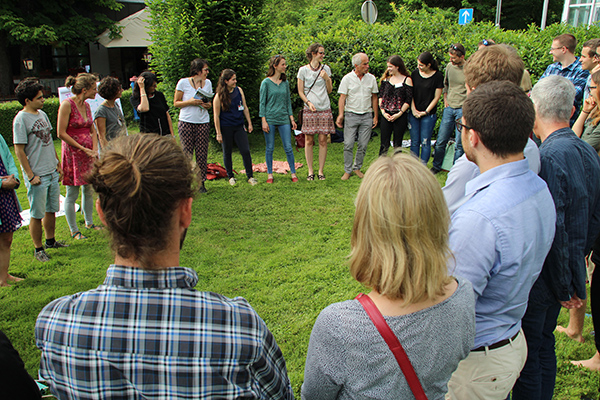
[Project completed] The project “Living Labs” brought together people of different ages from different Alpine countries to work together on process and know-how on selected topics. The project approach was participative and based on the principles of co-creation between young talents aged 18-30 years, environmental NGOs, civil society and politicians. The participants of this intergenerational project are committed to the sustainable development of the Alps at local, national and international level. For a desirable future it is important to set the right course today and to talk about how existing natural resources can be used sustainably.
CIPRA International | CIPRA Deutschland | CIPRA France | CIPRA Italia | CIPRA Slovenija
Sustainable Alpine Tourism
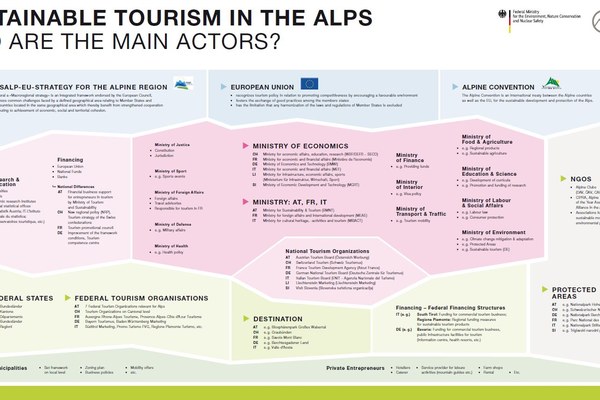
[Project completed] Sustainable tourism in the Alps is the only long-term alternative to conventional mass tourism in order to safeguard the habitat for nature and people. So far, however, there is a lack of jointly defined framework conditions on anational or alpine level for planning, promoting and implementing sustainable tourism.
CIPRA International
Cross-border mobility
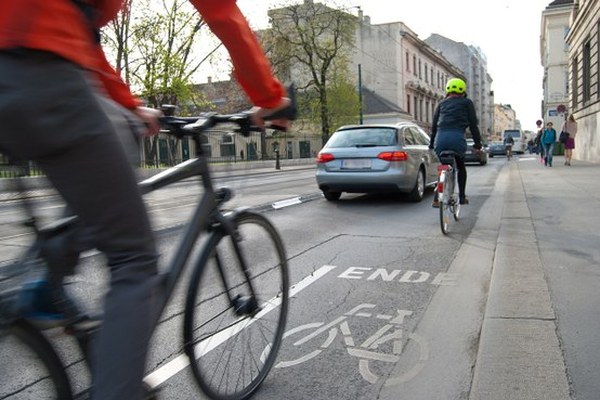
[Project completed] Tens of thousands of commuters move across national borders every day in the Alpine region. Existing traffic routes, however, were mostly built with a purely national perspective and are not geared to cross-border commuter flows. The result is overloaded roads, noise and pollution for local residents.