
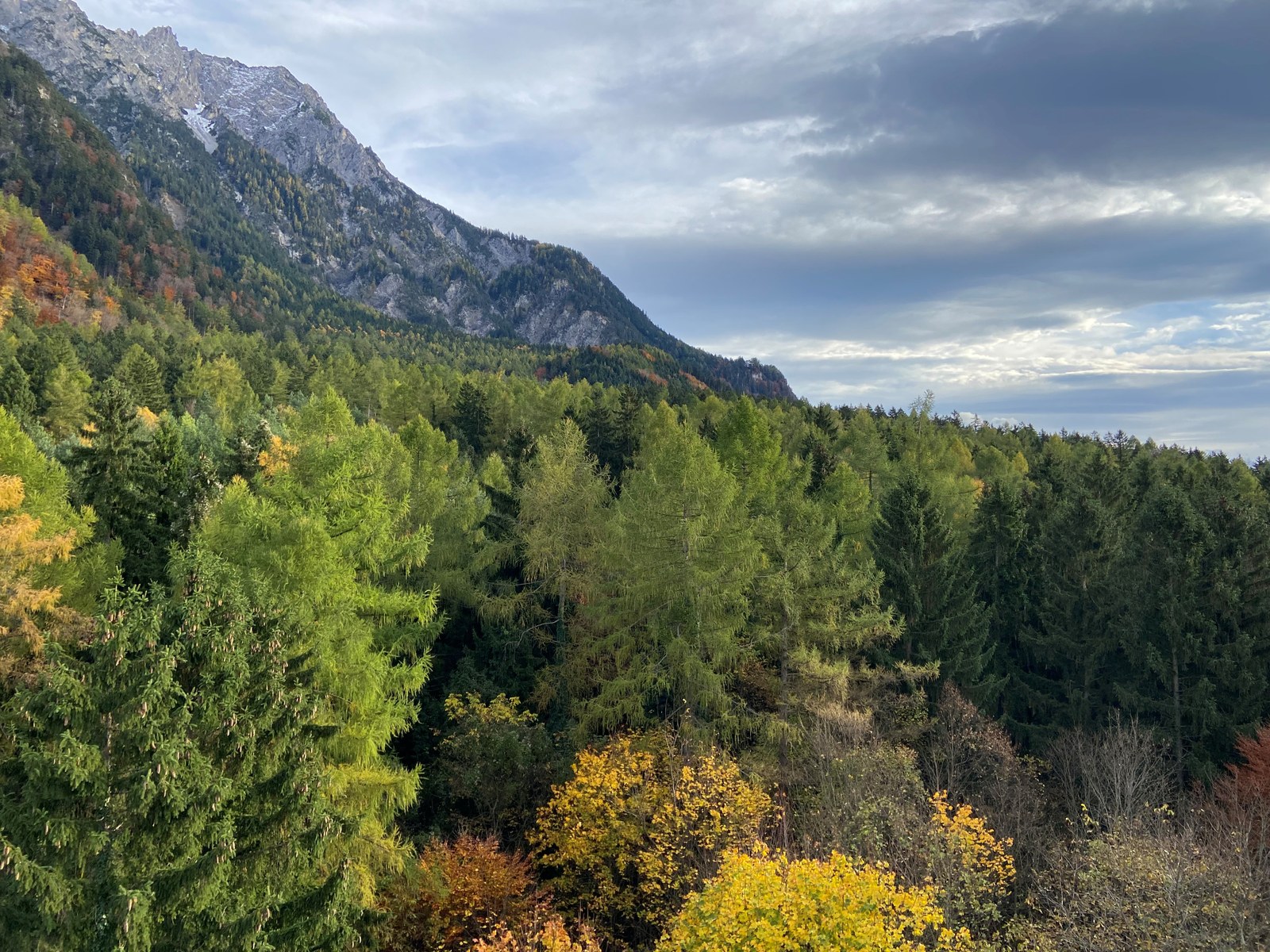
Act now to protect forests: sign the #HandsOffNature petition!
More than 40 percent of the Alpine region is covered by forests. They are not only a defining feature of the landscape, but also a cornerstone of Alpine livelihood, providing building materials, supporting biodiversity, and delivering essential ecosystem services.

Who is CIPRA?
Find out more!
More articles
Initiative for mountain enthusiasts with disabilities
This summer the French Vanoise National Park is offering special programmes for visitors with physical disabilities.
Using biological GIS databases to gain a better understanding of mountain biodiversity
Linking biological databases with geophysical data (such as precise co-ordinates, altitudes, temperature) provides a good basis for obtaining more accurate analyses of biodiversity in mountain areas.
From winter to all-year tourism
The French département of Savoie aims to promote all-year tourism with its 2007-2013 Tourism Plan.
New publication series on the Alpine region
The "Alpine Space - Man and the Environment" research platform established by the Leopold-Franzens University in Innsbruck/A is publishing a new series of publications by the same name.
Events
|
Symposium 2: Vernacular Buildings in the Anthropocene | Austrian Academy of Sciences, Vienna (Austria) |
Projects
CIPRA International
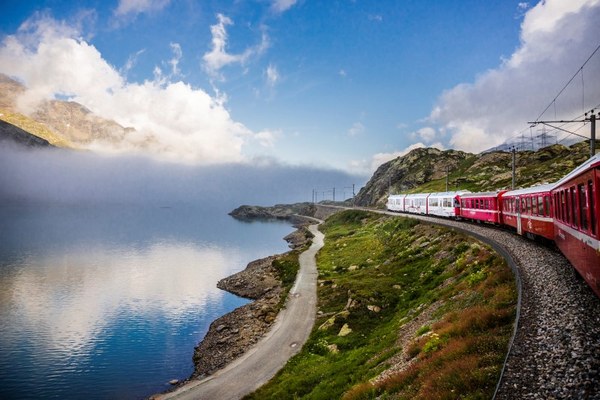
Yoalin (Youth Alpine Interrail)
Since 2018, 100 to 150 people aged between 18 and 27 were invited to apply for a Yoalin ticket every year. Equipped with an Interrail Global Pass, they are able to discover the Alps in a climate-friendly way using public transport. They also become part of the active community, which is constantly growing.
CIPRA International
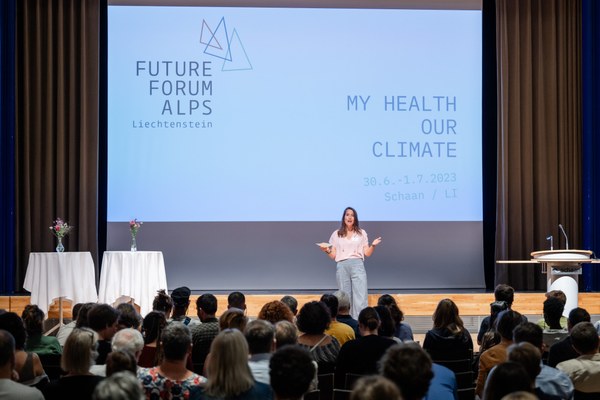
FutureForum Alps Liechtenstein
The FutureForum Alps is a series of events on various topics in the field of sustainability in the Alpine region.
CIPRA International Lab
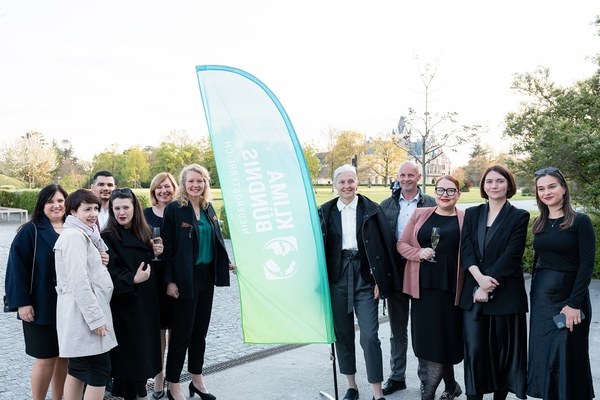
Climate Bridges network in action
New momentum for climate protection and cooperation in the Western Balkans: the “Climate Bridges Network in Action” project is launching an action plan to revitalise the newly established Western Balkans network. Together with local organisations, the project partners are developing a wide range of measures for both the environment and the climate.