
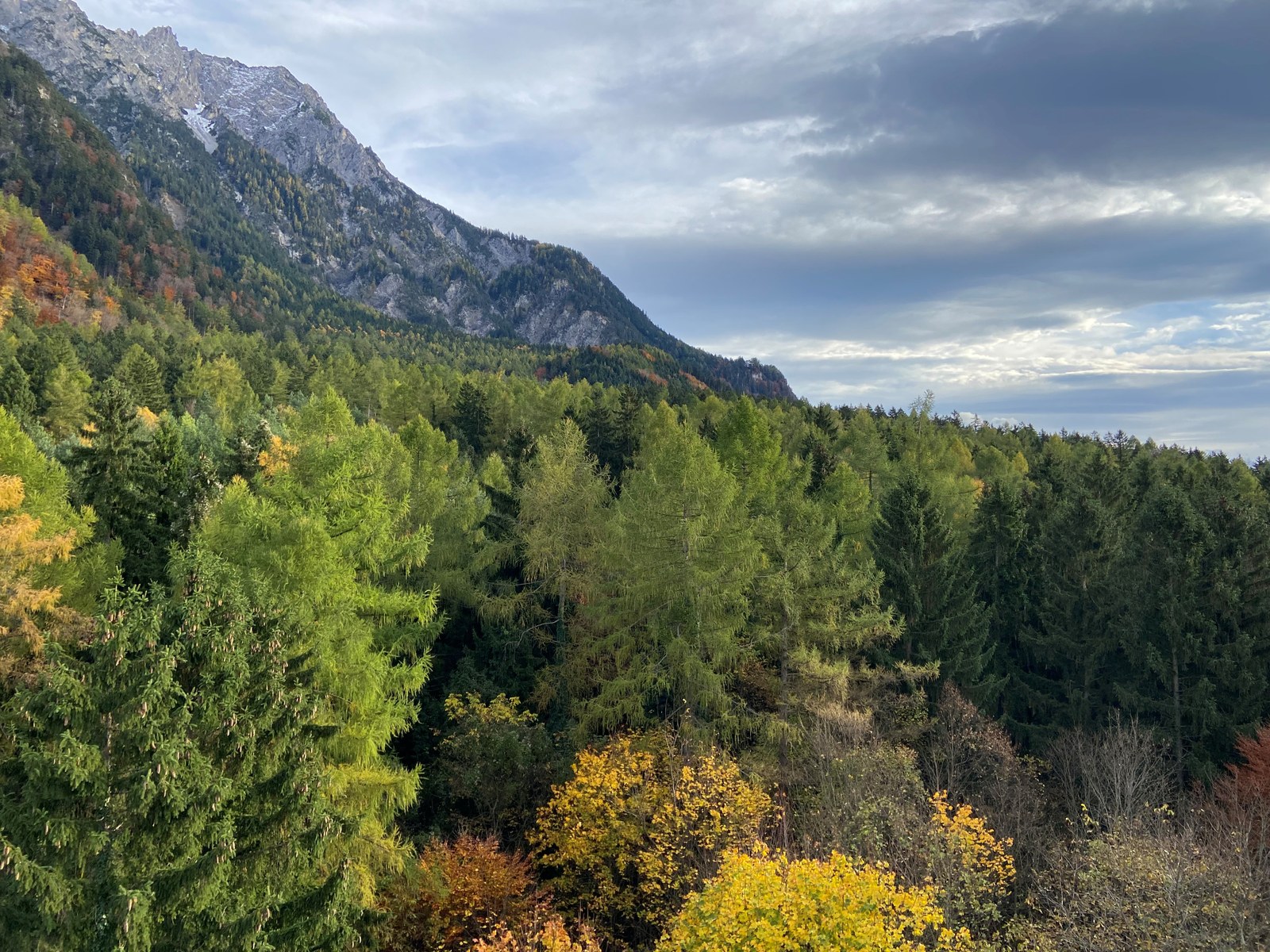
Act now to protect forests: sign the #HandsOffNature petition!
More than 40 percent of the Alpine region is covered by forests. They are not only a defining feature of the landscape, but also a cornerstone of Alpine livelihood, providing building materials, supporting biodiversity, and delivering essential ecosystem services.

Who is CIPRA?
Find out more!
More articles
Swantje Strieder | Zeitenspiegel | Hamburg, DE
Referendum in the Puster Valley and restoration of a protection forest in Hinterstein - We'll have our say! The people living in the Alps are no longer prepared to look on; they want to be involved.
In recent years co-operative planning processes have gained in importance as a result of targets set by the EU or national governments. Participation in the sense of greater co-determination and co-decision is also being called for at grassroots level, by citizens, land owners and pressure groups.
Swantje Strieder | Zeitenspiegel | Hamburg, DE
From the Dorfmobil Klaus project to the reawakened Merano-Mals railway - "Soft mobility" helps to promote tourism in remote areas
The major problems caused by transit traffic through the Alps dominate the media. And yet it is all too often forgotten that more than two thirds of traffic in the Alps is home-made. So what are the alternatives? This was one of the key questions put to our team of experts.
Swantje Strieder | Zeitenspiegel | Hamburg, DE
Biological diversity as an investment - Protected areas give the Alps a good image and help man and nature
Given good management, protected areas can contribute both to regional value-added and the preservation of biodiversity. Environmentally friendly holiday accommodation with a recognised seal of approval like the Gîtes Panda in the French Alps enhances the quality of life in and around protected areas.
Swantje Strieder | Zeitenspiegel | Hamburg, DE
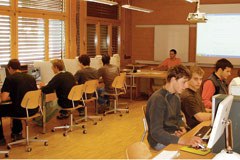
Cyberspace on alpine pastures, cultural festivals and exchange marts - Education projects and cultural centres promote cohesion
The state is stepping back and social structures are weakening: Citizens must take their affairs into their own hands and organise themselves to bring about decisions locally.
Events
|
Symposium 2: Vernacular Buildings in the Anthropocene | Austrian Academy of Sciences, Vienna (Austria) |
Projects

CIPRA International Lab
PlurAlps
[Project completed] The Alpine area is experiencing the combined challenges of an ageing population and new migration models. At the same time, opportunities for social innovation and development arise from increasing cultural diversity and pluralism. Mountainous and peripheral Alpine municipalities and regions are specifically concerned and need technical support and new approaches to develop a welcoming culture, which should be credibly embraced and implemented by municipalities, SMEs and civil society.
CIPRA International
BeeAware!
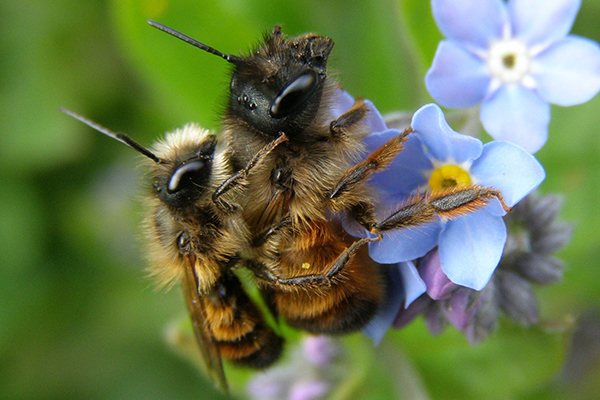
[Project completed] The aim of the project BeeAware! is to inspire communities in the Alps for bee protection and thus to improve the livelihoods of honey and wild bees. Bees are depending on an intact biodiversity. The different bee species need different plants, nesting and drinking places in order to survive. Integral bee protection therefore means securing, improving and enlarging the habitat of these important pollinators.
CIPRA International
GaYA
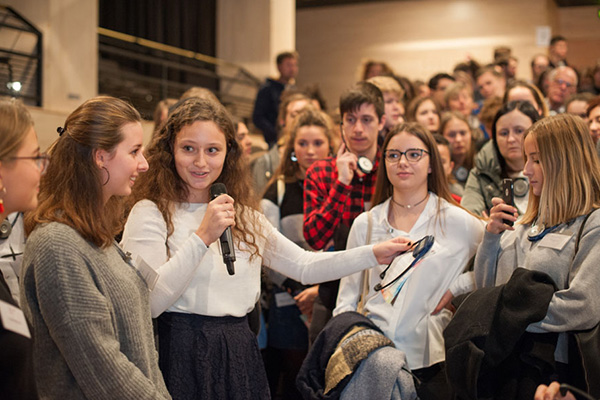
[Project completed] Governance and youth in the Alps - Young people tend to leave the Alpine space because they lack personal and professional fulfilment. Furthermore a majority of decision-makers remain unaware of the benefits a young active population brings to society.