
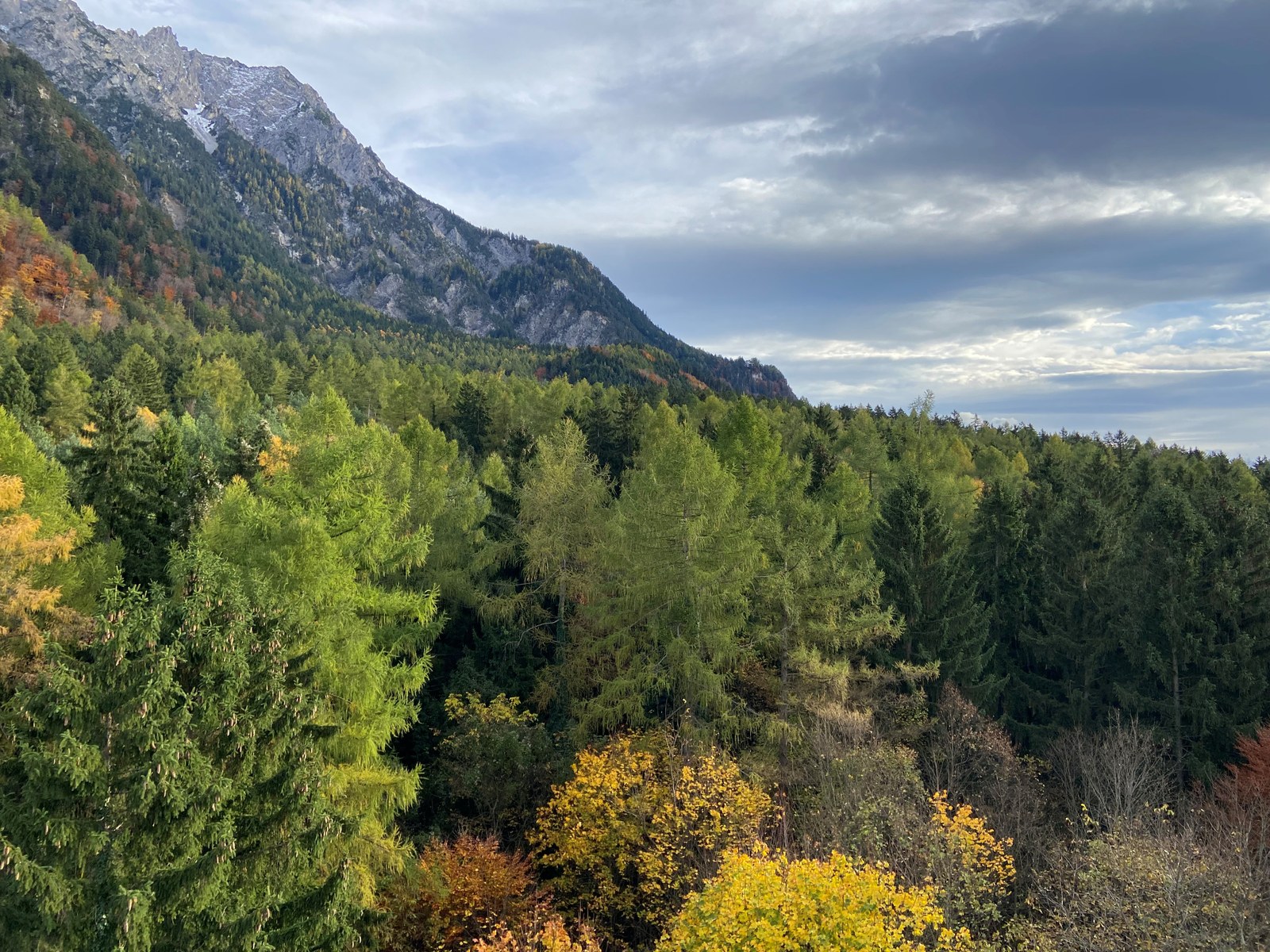
Act now to protect forests: sign the #HandsOffNature petition!
More than 40 percent of the Alpine region is covered by forests. They are not only a defining feature of the landscape, but also a cornerstone of Alpine livelihood, providing building materials, supporting biodiversity, and delivering essential ecosystem services.

Who is CIPRA?
Find out more!
More articles
Swantje Strieder | Zeitenspiegel | Hamburg, DE
From timber construction to hay wraps - Besides natural resources people's skills and commitment are the Alps' real wealth
Deploring the exodus of the population and the proliferation of tourism, and doing nothing about it, is one approach; the other, far more constructive solution is to show how money can be earned, and secure jobs created, using the resources available locally.
Michael Gleich | Saunstorf, DE
Extracting Stores of Knowledge
The future belongs to those who help to shape it. And in the Alps countless initiatives involving thousands of activists are working to do just that. Yet most of them are unaware of the fact that elsewhere other people are working away on exactly the same problems as they are. This is precisely where the Future in the Alps Project launched by CIPRA, the International Commission for the Protection of the Alps, comes into play. It is all about collating practical experience throughout the Alps, classifying it and making it available to those who need it.
alpMedia | Schaan, LI
New publication on Alpine Towns
In 2005 CIPRA, the International Commission on the Protection of the Alps, organised a large conference on Alpine Towns and has now published the collected findings in a conference book.
alpMedia | Schaan, LI
Unconventional co-operation in Switzerland's mountain regions
The Swiss Working Group on Mountain Regions has struck up a co-operation venture with eBay International AG, the world's largest internet auction house. Private individuals as well as small and medium-sized businesses are to be trained in buying and selling products and services via eBay.
Events
|
Youth Parliament to the Alpine Convention: Climate Resilient Development | ||
|
The Better-Cities Event | Ljubljana | |
|
Local Peaks, Global Learning | online | |
|
Transhumance as Intangible Cultural Heritage of Humanity: A Way Forward? | MUCEM, Marseille/France | |
|
Growing alternative crops for new market opportunities in a changing climate | Vienna/Austria |
Projects
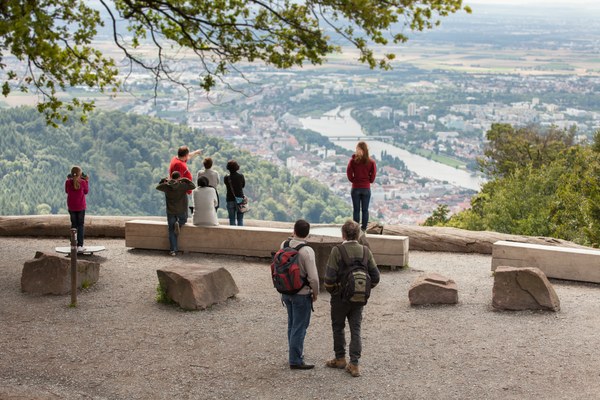
Caretaker Tourism
The Alpine Climate Board (ACB) is a body of the Alpine Convention that is committed to climate-neutral and climate-resilient Alps by 2050, with the “Tourism” pathway also in this sector. Within the framework of “Caretaker Tourism”, certain organizations and individuals assume responsibility for developing climate-friendly and sustainable tourism strategies.

CIPRA International Lab
OUT4INGOV: Shaping youth migration
The emigration of young people poses major challenges for many Alpine regions. The OUT4INGOV project is working with local organisations to develop innovative approaches to better manage youth migration and raise awareness of the issue in society.
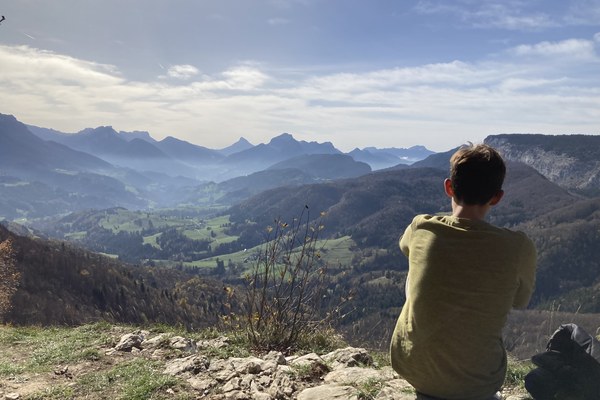
CIPRA France
GOVQoL – Empowering Alpine communities to improve their quality of life
Alpine communities’ quality of life (QoL) is currently facing several challenges such as the depopulation of remote areas, reduced provision of services of general interest, the impacts of climate change, and mistrust of governance. These issues are not only reshaping the Alpine territories but also impacting the daily lives of its inhabitants. Despite the urgent need for responsive and inclusive governance, there is currently a significant gap in understanding and addressing QoL at the local level which our project aims to address.