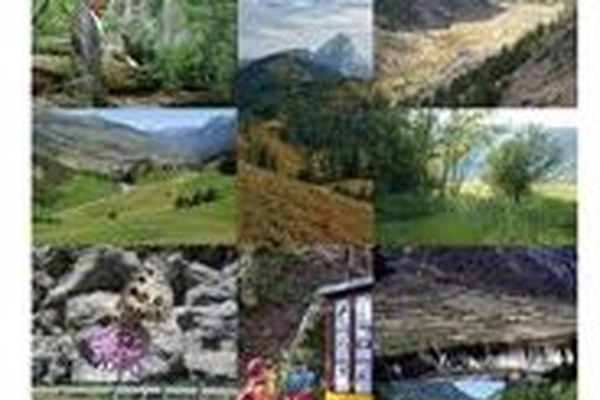
Act now to protect forests: sign the #HandsOffNature petition!
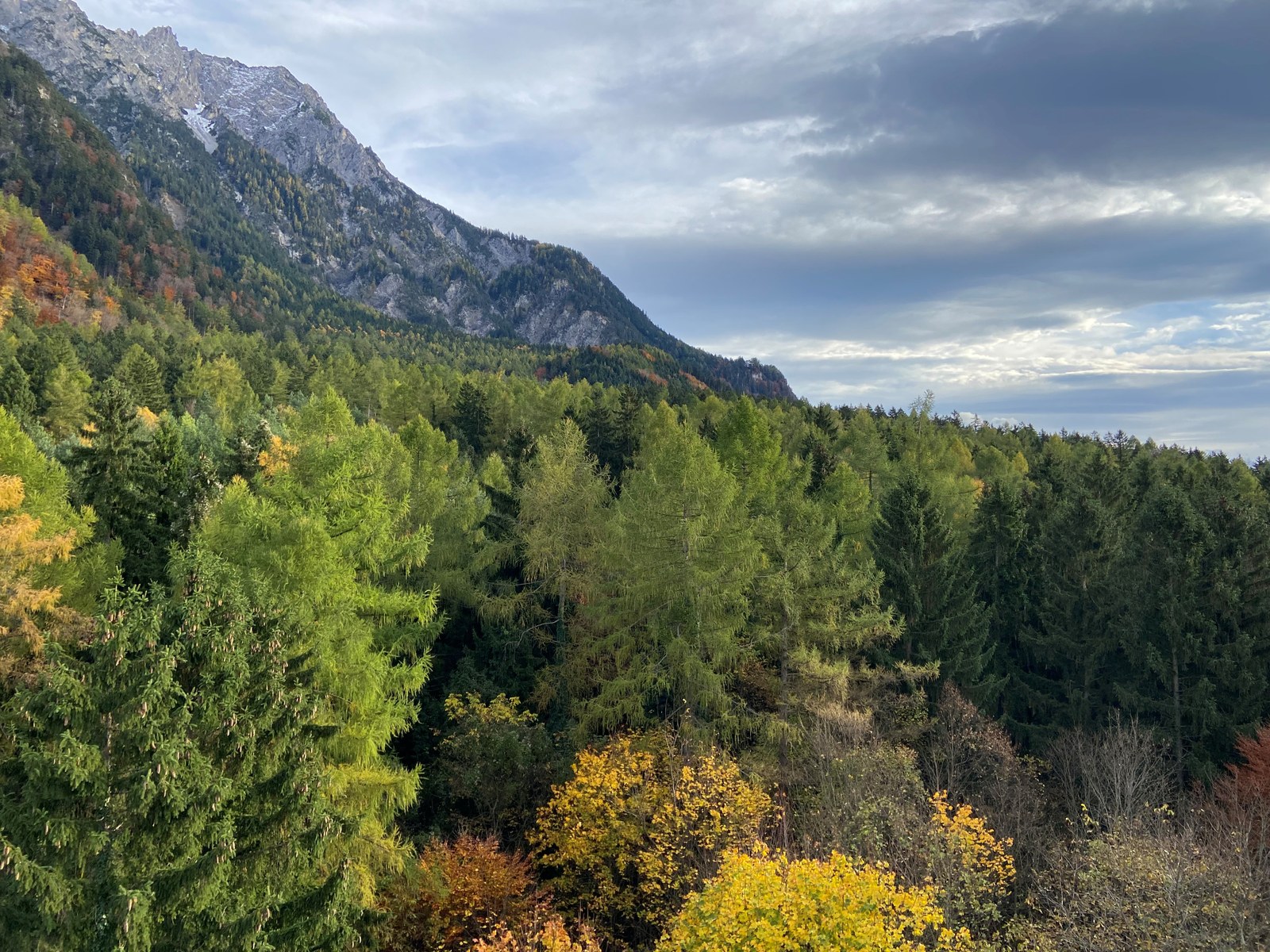
More than 40 percent of the Alpine region is covered by forests. They are not only a defining feature of the landscape, but also a cornerstone of Alpine livelihood, providing building materials, supporting biodiversity, and delivering essential ecosystem services.

Who is CIPRA?
Find out more!
More articles
alpMedia | Schaan, LI
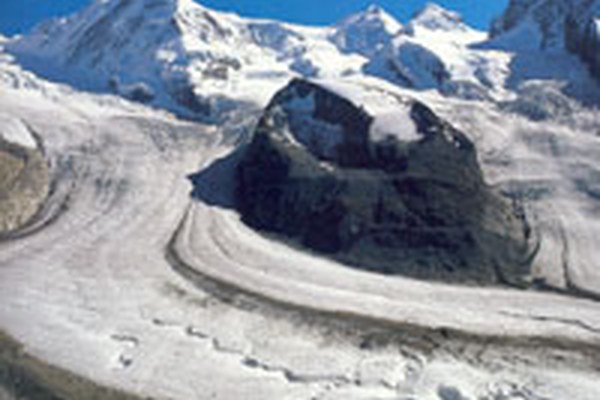
Alpine glaciers melting ever faster
The glaciers of the Alps could well disappear sooner than expected. Researchers now believe that in thirty years' time only the largest and highest glaciers will be left.
alpMedia | Schaan, LI
Swiss Mountain Water Award 2007
This year again, the Swiss Mountain Water Award initiated by the Government Conference of the Mountain Cantons is to be held for the third year running since 2005, with prize money worth CHF 50,000.
CIPRA Internationale Alpenschutzkommission | Schaan, LI
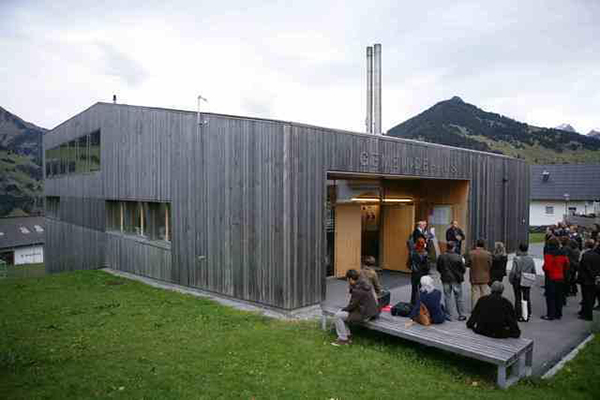
New measures for combating and managing particulate matte
Every winter, de-icing salt is scattered on the roads despite its negative impact on the environment, groundwater, infrastructure and cars. But now Klagenfurt/A has come up with an alternative: Instead of salt it is to spray calcium magnesium acetate (CMA), a de-icing agent made from calcium, magnesium and acetic acid.
CIPRA Internationale Alpenschutzkommission | Schaan, LI
EU: Is regional planning foremost an instrument for business development?
EU regional planning ministers are to meet on 25 May 2007 to adopt a Territorial Agenda designed to provide a framework for future spatial development in Europe.
Events
|
Youth Parliament to the Alpine Convention: Climate Resilient Development | ||
|
The Better-Cities Event | Ljubljana | |
|
Local Peaks, Global Learning | online | |
|
Transhumance as Intangible Cultural Heritage of Humanity: A Way Forward? | MUCEM, Marseille/France | |
|
Growing alternative crops for new market opportunities in a changing climate | Vienna/Austria |
Projects
CIPRA International
Ecological Continuum Initiative
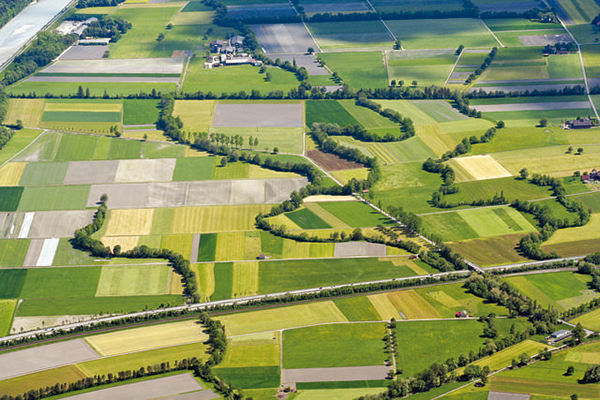
[Project completed] Nature does not stop at the boundaries of protected areas or national borders. And, more and more often, man’s interventions in nature and the landscape are dissecting habitats and lastingly obstructing the exchange and migration of fauna and flora. This is putting Europe’s unique biodiversity in the Alps at risk.