
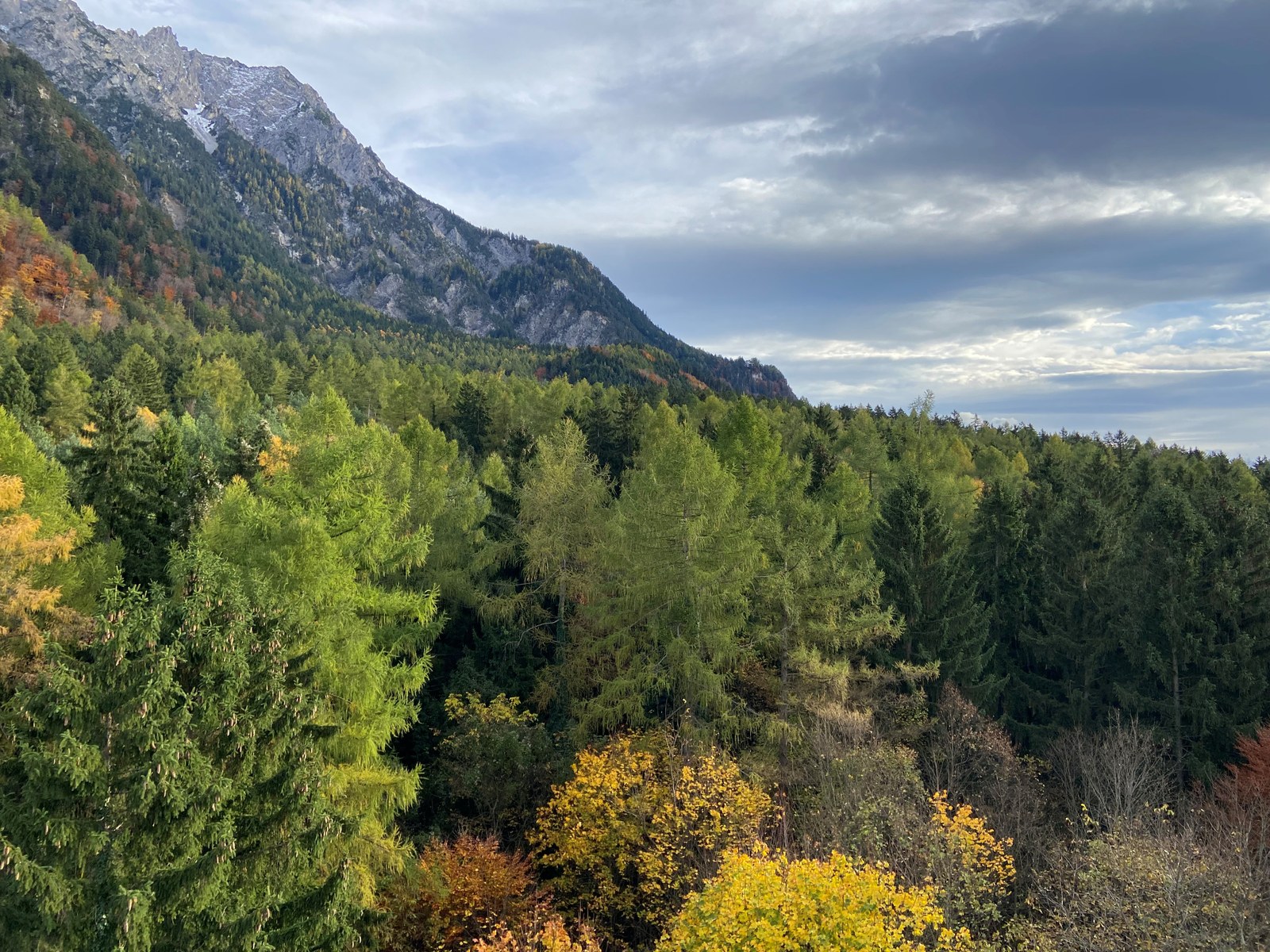
Act now to protect forests: sign the #HandsOffNature petition!
More than 40 percent of the Alpine region is covered by forests. They are not only a defining feature of the landscape, but also a cornerstone of Alpine livelihood, providing building materials, supporting biodiversity, and delivering essential ecosystem services.

Who is CIPRA?
Find out more!
More articles
CIPRA Internationale Alpenschutzkommission | Schaan, LI
Database on experts in mountain area research
The Mountain Research Initiative (MRI) has gone online with an expert database comprising almost 5,000 entries on people in governmental and non-governmental organisations as well as private groups who are involved in research into mountain regions in general and the impact of climate change in particular.
alpMedia | Schaan, LI
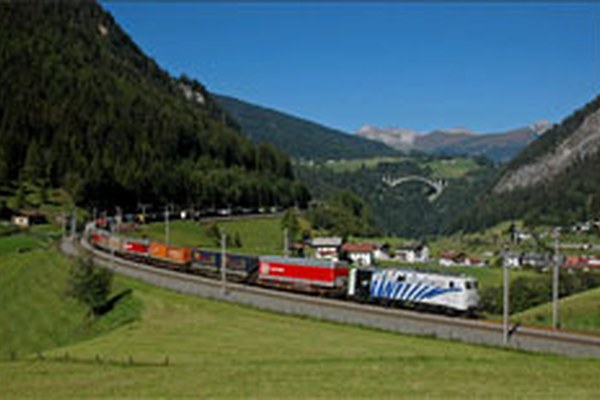
Boosting cross-alpine rail freight traffic
The Adriazug pilot project has been launched in a bid to reduce the burden of HGV traffic on transit routes through the Alps.
alpMedia | Schaan, LI
Alpine Convention: concrete measures on behalf of the climate
On November 9 the environment ministers of the alpine states convened for the Alpine Conference, which is held every two years.
alpMedia | Schaan, LI
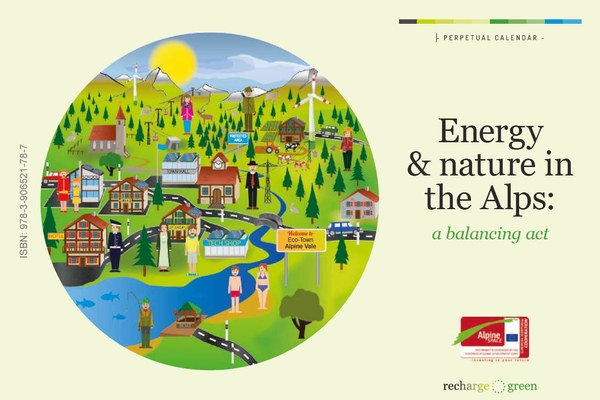
New brochure on International Mountain Partnerships
The Alpine Convention as such is not transferable to other regions. However many of its principles and the experience gained with the Alpine process in particular have proved of value to the sustainable development of non-alpine mountain regions.
Events
|
Symposium 2: Vernacular Buildings in the Anthropocene | Austrian Academy of Sciences, Vienna (Austria) |
Projects
CIPRA International | CIPRA Deutschland | CIPRA Italia | CIPRA France
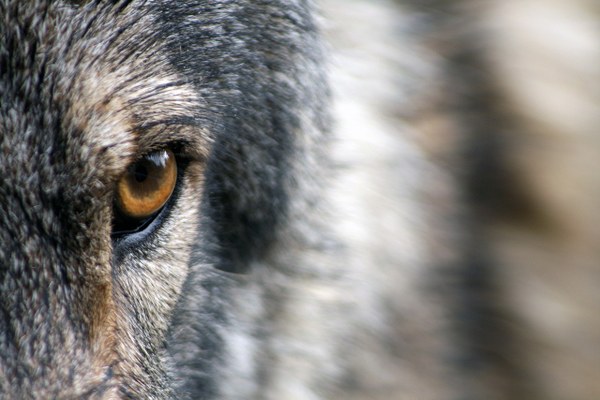
Knowledge transfer on the co-adaptation of humans and wolves in the Alpine region
[Project completed] The return of large carnivores is increasingly causing the fronts to harden between different groups of stakeholders. Among the large carnivores returning to the Alps, the wolf is the most widespread and therefore the most widely debated animal. Wolves are synanthropic animals and cross boundaries - physical as well as intangible ones – regularly. Thus, they have been accompanying and influencing social and cultural processes since time immemorial. In this project, CIPRA has taken on the task to collect, analyse, make available and disseminate knowledge about the co-adaptation of humans and wolves throughout the Alps.