
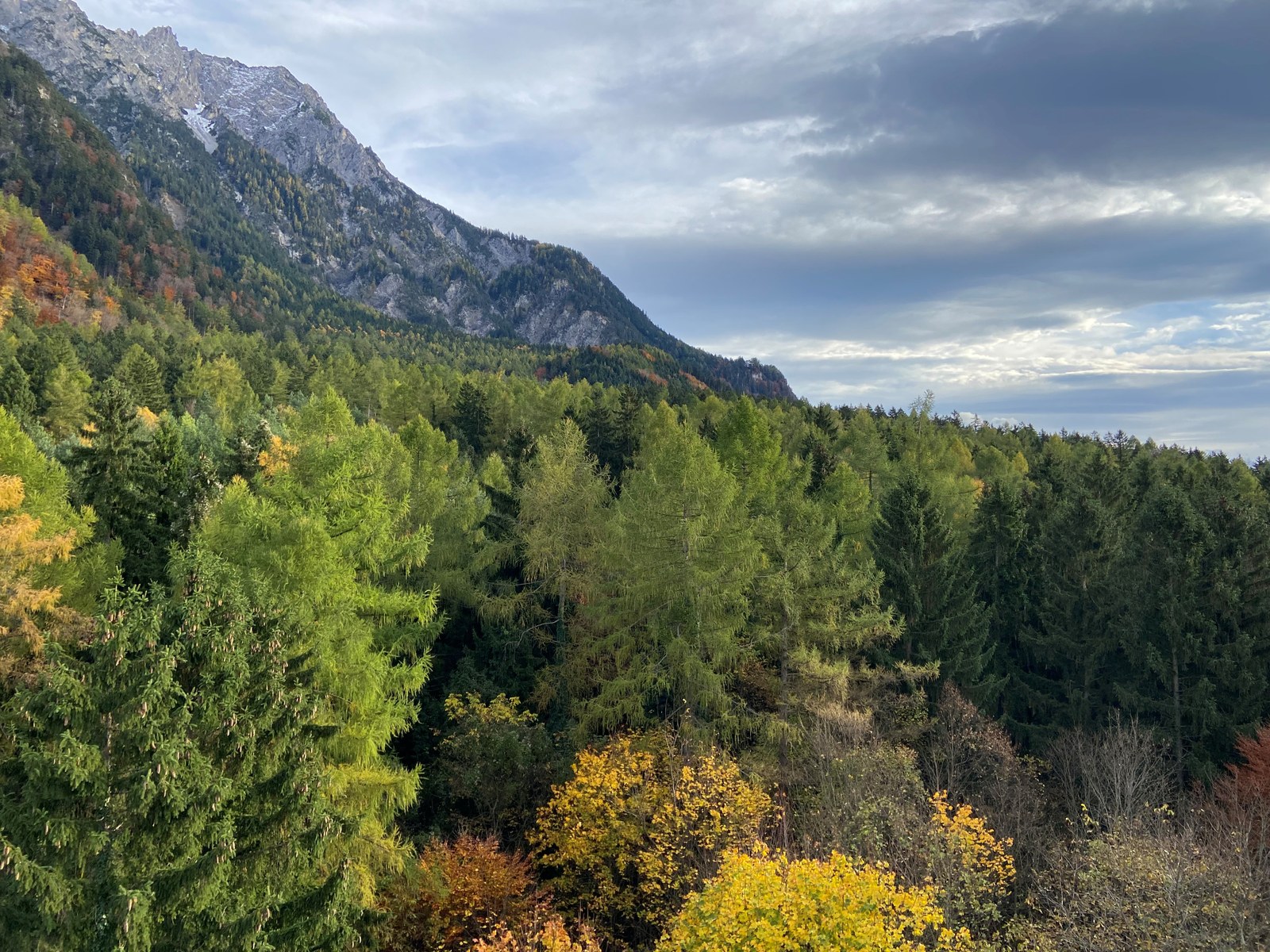
Act now to protect forests: sign the #HandsOffNature petition!
More than 40 percent of the Alpine region is covered by forests. They are not only a defining feature of the landscape, but also a cornerstone of Alpine livelihood, providing building materials, supporting biodiversity, and delivering essential ecosystem services.

Who is CIPRA?
Find out more!
More articles
alpMedia | Schaan, LI
New issue of the Journal of Alpine Research series
The latest issue of the Revue de Géographie Alpine series comprises five specialist articles on a variety of topics. One article examines the causes of flooding and the measures that are necessary to prevent it based on the example of the Isère/F region while another article focuses on sustainable water management in general.
alpMedia | Schaan, LI
International conference on cross-alpine traffic
The international "Transport Across the Alps" conference is to be held in Lucerne/CH from 1 to 3 December. Key issues to be addressed at the conference include the impact of road traffic along the main alpine thoroughfares, the influence of statutory and political provisions on transit traffic and the interactions between transport, regional development, tourism, the environment and the economy.
alpMedia | Schaan, LI
Alpine summit flora undergoing rapid change
As part of their study on the "Influence of Climate Change on Succession Processes and Population Dynamics of Vegetation in Alpine Environments" research teams at the universities of Hanover/D and Zurich/CH have concluded that the rate of change in the floristic composition of vegetation in the Swiss Alps is increasing all the time. According to the experts this trend is consistent with global climate change.
alpMedia | Schaan, LI
Alpine Convention's implementation monitoring inadequate
This year for the first time (and every four years thereafter) the Contracting Parties to the Alpine Convention are to give an account as to whether and to what extent they have met their obligations under the terms of the Convention and its Implementing Protocols.
Events
|
Youth Parliament to the Alpine Convention: Climate Resilient Development | ||
|
The Better-Cities Event | Ljubljana | |
|
Local Peaks, Global Learning | online | |
|
Transhumance as Intangible Cultural Heritage of Humanity: A Way Forward? | MUCEM, Marseille/France | |
|
Growing alternative crops for new market opportunities in a changing climate | Vienna/Austria |
Projects
Caretaker Tourism
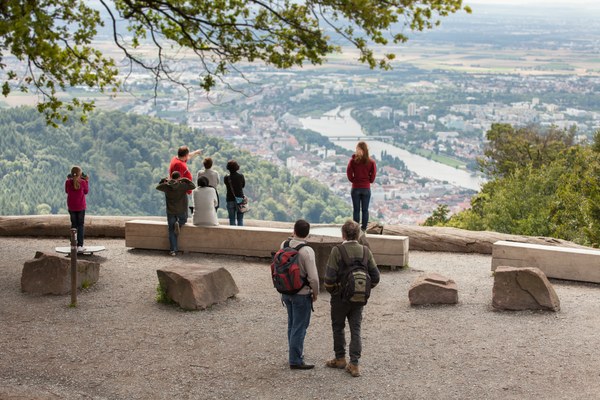
The Alpine Climate Board (ACB) is a body of the Alpine Convention that is committed to climate-neutral and climate-resilient Alps by 2050, with the “Tourism” pathway also in this sector. Within the framework of “Caretaker Tourism”, certain organizations and individuals assume responsibility for developing climate-friendly and sustainable tourism strategies.

CIPRA International Lab
OUT4INGOV: Shaping youth migration
The emigration of young people poses major challenges for many Alpine regions. The OUT4INGOV project is working with local organisations to develop innovative approaches to better manage youth migration and raise awareness of the issue in society.
CIPRA France
GOVQoL – Empowering Alpine communities to improve their quality of life
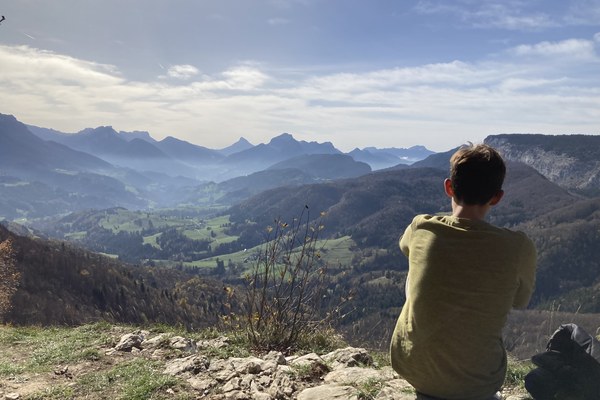
Alpine communities’ quality of life (QoL) is currently facing several challenges such as the depopulation of remote areas, reduced provision of services of general interest, the impacts of climate change, and mistrust of governance. These issues are not only reshaping the Alpine territories but also impacting the daily lives of its inhabitants. Despite the urgent need for responsive and inclusive governance, there is currently a significant gap in understanding and addressing QoL at the local level which our project aims to address.