
Act now to protect forests: sign the #HandsOffNature petition!
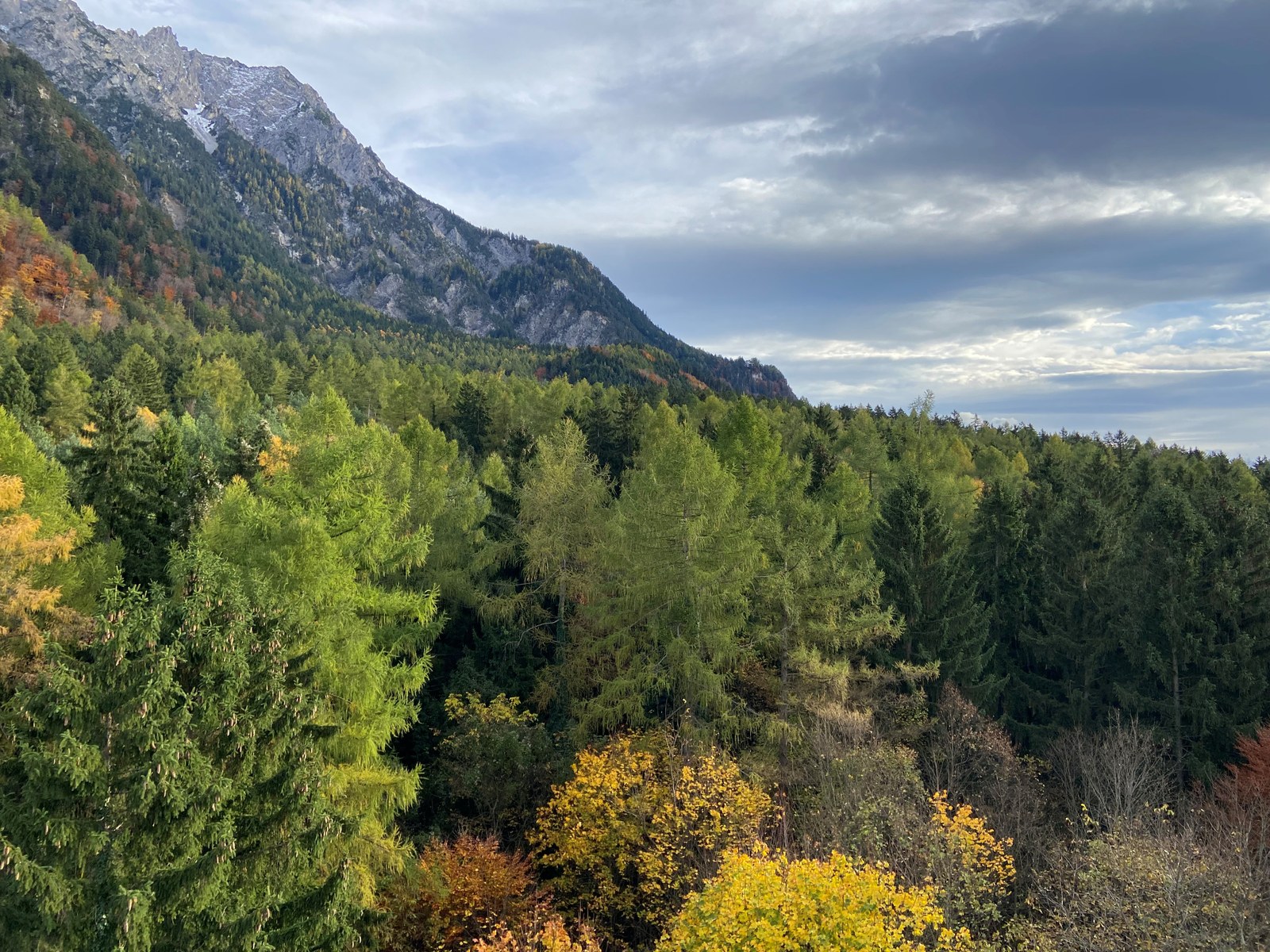
More than 40 percent of the Alpine region is covered by forests. They are not only a defining feature of the landscape, but also a cornerstone of Alpine livelihood, providing building materials, supporting biodiversity, and delivering essential ecosystem services.

Who is CIPRA?
Find out more!
More articles
alpMedia | Schaan, LI
International Mountain Day 2005
The theme chosen for this year's International Mountain Day is "Sustainable Tourism for Poverty Alleviation in Mountain Areas". As in the two previous years it is being held on 11 December.
alpMedia | Schaan, LI
Socio-economic dimension of the Alpine Convention
Austria's Chair of the Alpine Convention sees it as a priority task to focus more on specialist issues during the meetings of the Standing Committee in order once again to develop a greater sensibility for vital issues in the alpine region.
alpMedia | Schaan, LI
"Pearls of the Alps" - Tourism communities promote gentle mobility
25 communities in Italy, Austria, Germany, France and Switzerland have come together to form the "Pearls of the Alps" network. Their objective is to combine tourist sights with the benefits of gentle mobility.
alpMedia | Schaan, LI
Satellite technology in South Tyrol
By October of next year, South Tyrol/I wants to be able to receive data from the various earth observation satellites and evaluate it at a purpose-built facility at the European Academy in Bolzano.
Events
|
Youth Parliament to the Alpine Convention: Climate Resilient Development | ||
|
The Better-Cities Event | Ljubljana | |
|
Local Peaks, Global Learning | online | |
|
Transhumance as Intangible Cultural Heritage of Humanity: A Way Forward? | MUCEM, Marseille/France | |
|
Growing alternative crops for new market opportunities in a changing climate | Vienna/Austria |
Projects
CIPRA International | CIPRA Deutschland | CIPRA Italia | CIPRA France
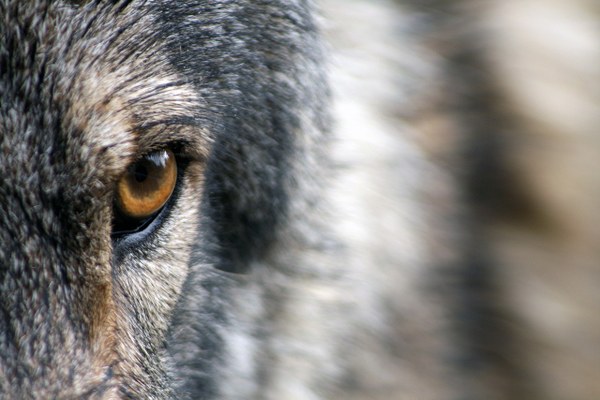
Knowledge transfer on the co-adaptation of humans and wolves in the Alpine region
[Project completed] The return of large carnivores is increasingly causing the fronts to harden between different groups of stakeholders. Among the large carnivores returning to the Alps, the wolf is the most widespread and therefore the most widely debated animal. Wolves are synanthropic animals and cross boundaries - physical as well as intangible ones – regularly. Thus, they have been accompanying and influencing social and cultural processes since time immemorial. In this project, CIPRA has taken on the task to collect, analyse, make available and disseminate knowledge about the co-adaptation of humans and wolves throughout the Alps.