
Act now to protect forests: sign the #HandsOffNature petition!
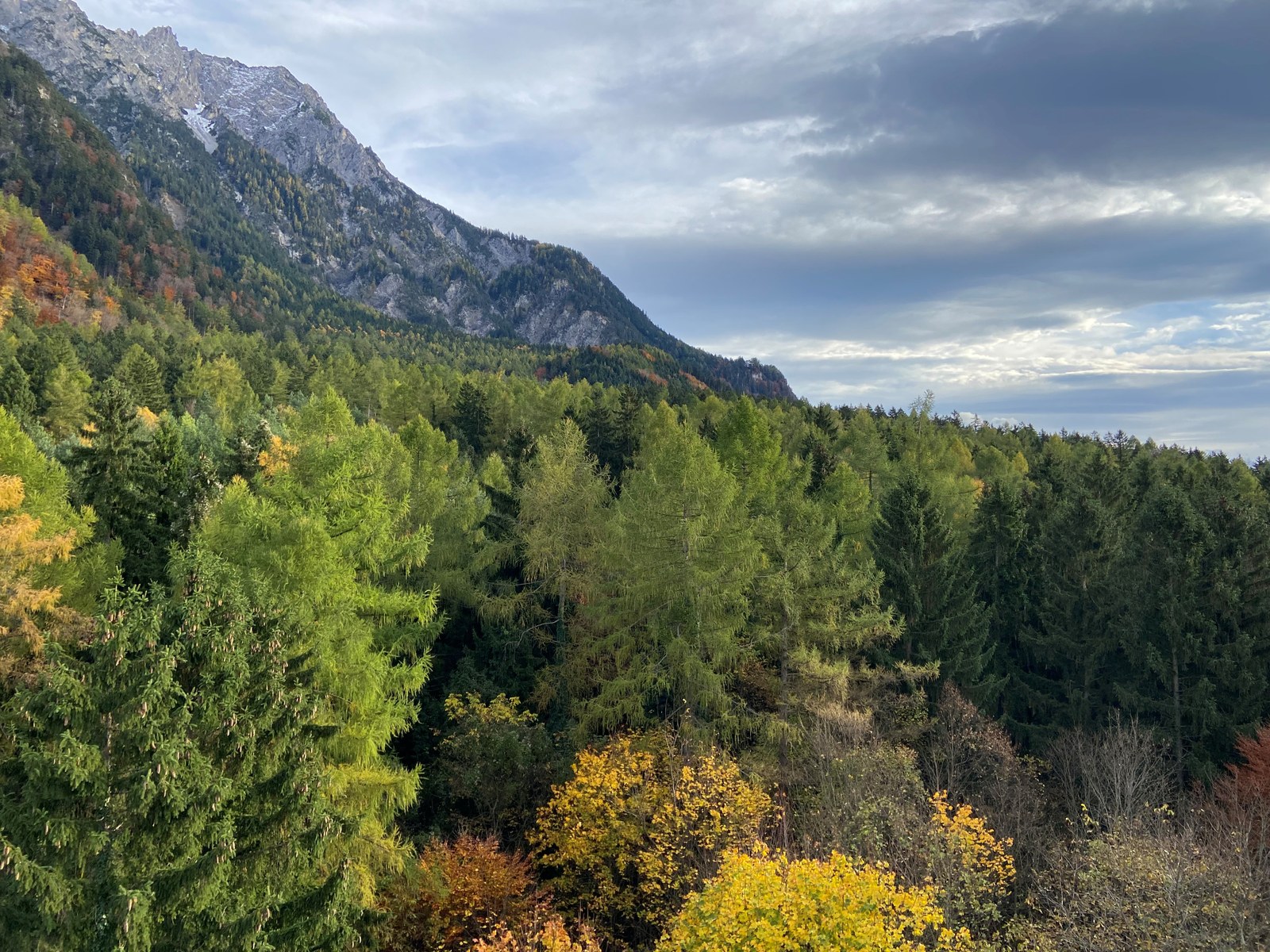
More than 40 percent of the Alpine region is covered by forests. They are not only a defining feature of the landscape, but also a cornerstone of Alpine livelihood, providing building materials, supporting biodiversity, and delivering essential ecosystem services.

Who is CIPRA?
Find out more!
More articles
alpMedia | Schaan, LI
Exchange of know-how on hydrogeological disruptions
The CATCHRISK project (mitigation of hydro-geological risk in alpine catchments) is in its end phase.

alpMedia | Schaan, LI
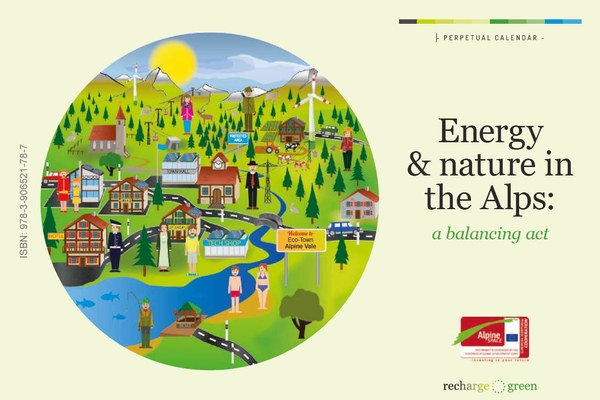
New publication: Mountaineering villages to enjoy
The latest brochure of the Austrian Alpine Association (ÖAV) features hiking and mountaineering regions in Austria which actively implement the Alpine Convention's Tourism Protocol.
alpMedia | Schaan, LI
Berchtesgaden National Park in a wheelchair
The model project "No Barriers at the Berchtesgaden National Park" is to get underway in Berchtesgaden/D in July 2005. The project is to look at ways in which people with physical disabilities or restricted mobility can gain access to unspoilt natural environments.
alpMedia | Schaan, LI
Red deer a tasty treat for Italian wolves
Italian researchers have been analysing the excrements of two packs of wolves roaming Italy's Alpine region.
Events
|
Symposium 2: Vernacular Buildings in the Anthropocene | Austrian Academy of Sciences, Vienna (Austria) |
Projects
CIPRA International | CIPRA Deutschland | CIPRA Italia | CIPRA France
Knowledge transfer on the co-adaptation of humans and wolves in the Alpine region
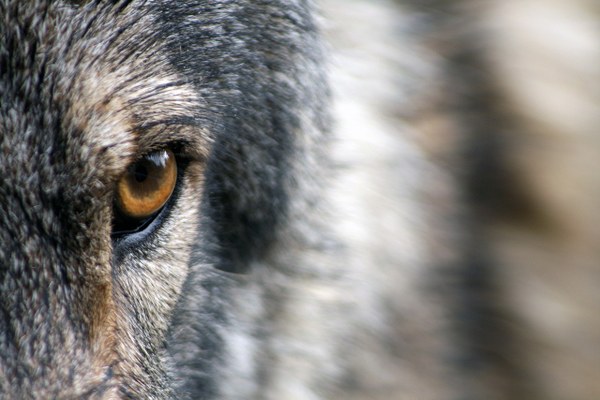
[Project completed] The return of large carnivores is increasingly causing the fronts to harden between different groups of stakeholders. Among the large carnivores returning to the Alps, the wolf is the most widespread and therefore the most widely debated animal. Wolves are synanthropic animals and cross boundaries - physical as well as intangible ones – regularly. Thus, they have been accompanying and influencing social and cultural processes since time immemorial. In this project, CIPRA has taken on the task to collect, analyse, make available and disseminate knowledge about the co-adaptation of humans and wolves throughout the Alps.