
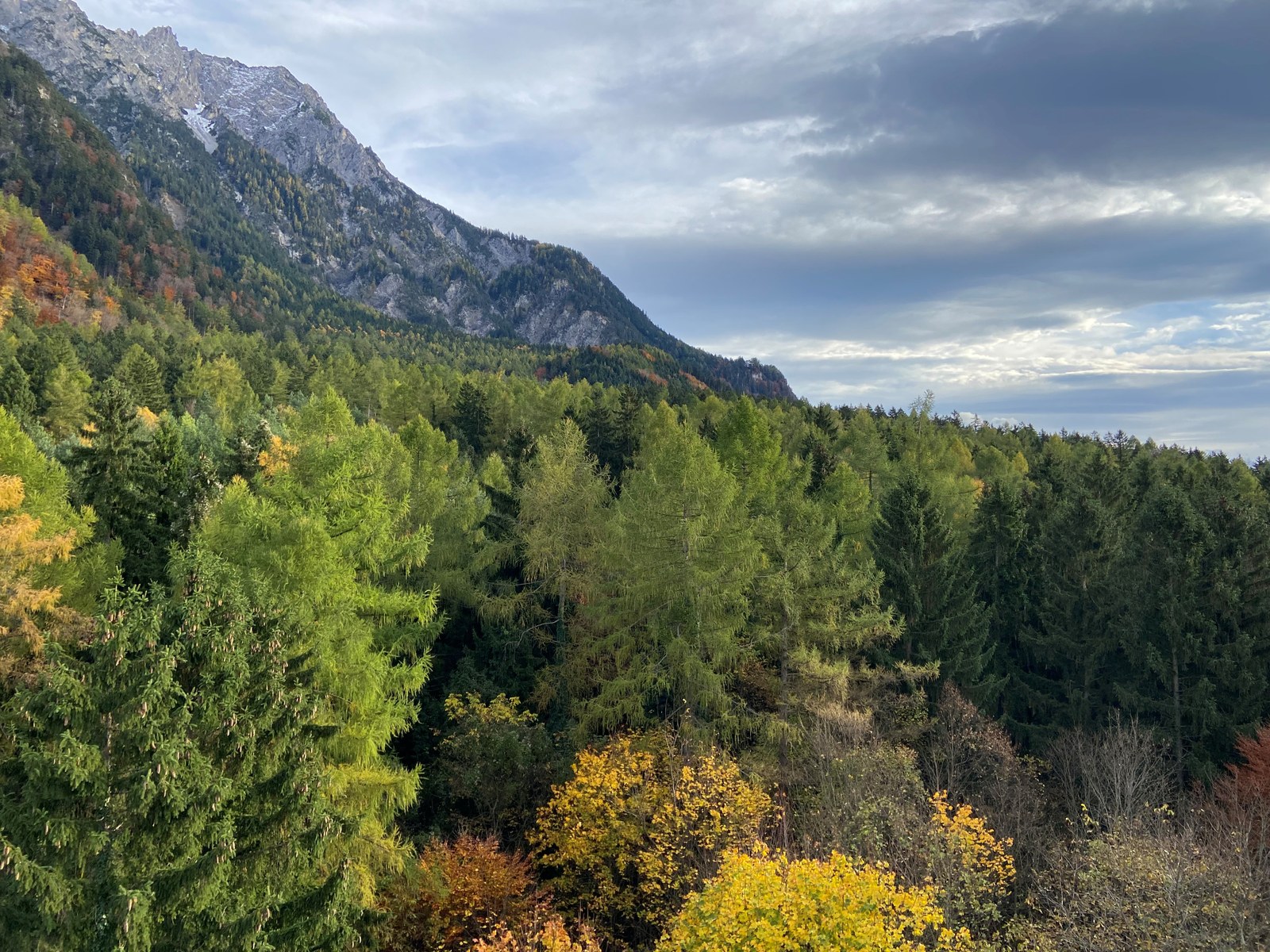
Act now to protect forests: sign the #HandsOffNature petition!
More than 40 percent of the Alpine region is covered by forests. They are not only a defining feature of the landscape, but also a cornerstone of Alpine livelihood, providing building materials, supporting biodiversity, and delivering essential ecosystem services.

Who is CIPRA?
Find out more!
More articles
alpMedia | Schaan, LI
Insufficient snowfall a cause of recessive glaciers
Lower winter precipitation has been one of the causes, along with global warming, behind melting glaciers over the past 150 years. These are the main findings of a study by researchers at the Laboratoire de glaciologie et géophysique de Grenoble/F and the Eidgenössische Technische Hochschule Zurich/CH, published in the Geophysical Research Letters.
alpMedia | Schaan, LI
Alpine transit exchange - a feasible, efficient and cost-effactive solution
An Alpine transit exchange is seen as a viable option for promoting a shift from road to rail for transalpine heavy goods vehicle traffic. A report commissioned by the Swiss Ministry of Transport has confirmed the technical feasibility and economic acceptability of such a solution.
Francesco Pastorelli | CIPRA Italia | Torino, IT
Dolomites of Peace - debating peace today at yesterday's scenes of war
"Dolomites of Peace" is the name of a series of nine events devoted to the subject of peace to be run by writers, philosophers, actors, church representatives and experts between 1 July and 24 August.
alpMedia | Schaan, LI
Fewer glaciers, more earthquakes?
According to the results of research carried out by the Universities of Münster/D and Berne/CH, the advance and retreat of glaciers and lakes can trigger earthquakes.
Events
|
Symposium 2: Vernacular Buildings in the Anthropocene | Austrian Academy of Sciences, Vienna (Austria) |
Projects
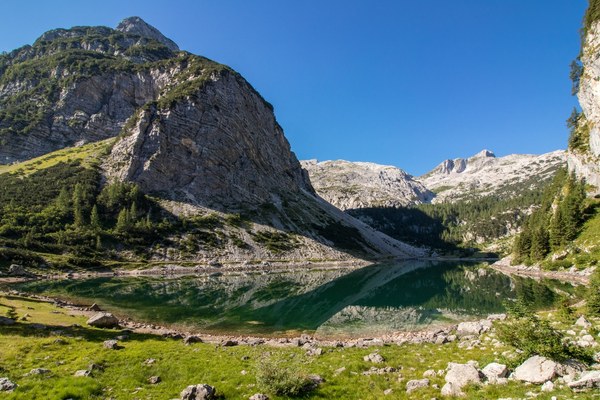
Responsible management of mountain water resources
Mountain regions constitute a unique yet fragile natural environment that provides habitat for numerous rare and endemic species. Their biodiversity is rich, yet highly vulnerable. These areas host a variety of aquatic ecosystems—rivers, streams, lakes, wetlands and peat bogs — which have very limited self-purification capacity and are extremely sensitive to change. Their condition is directly affected by climate change and human activities.
CIPRA International
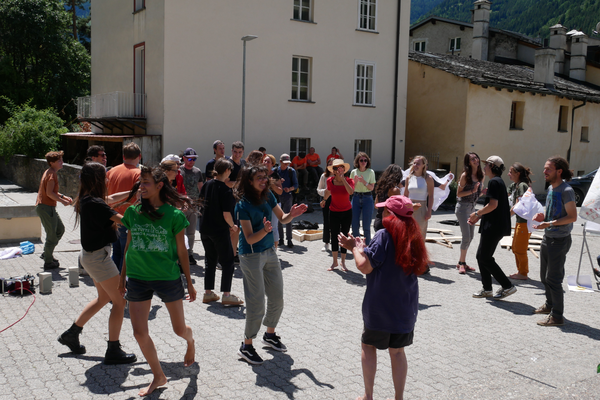
Alpine Changemaker Network
How can we advance eco-social transformation in the Alpine region? The Alpine Changemaker Network project combines Alpine traditions, as reflected in contemporary art, culture and design, with current approaches to overcoming global crises.
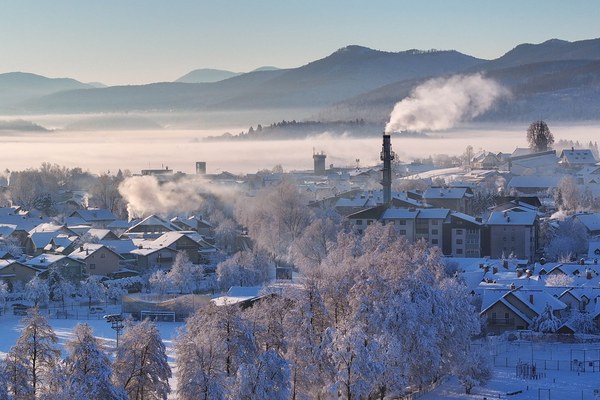
Heating of buildings and air quality 2.0
The project represents a continuation of efforts to reduce air pollution resulting from improper combustion in individual furnaces. Particular attention is paid to the use of outdated wood biomass combustion devices, which contribute significantly to emissions of particles that are harmful to health.