
Act now to protect forests: sign the #HandsOffNature petition!
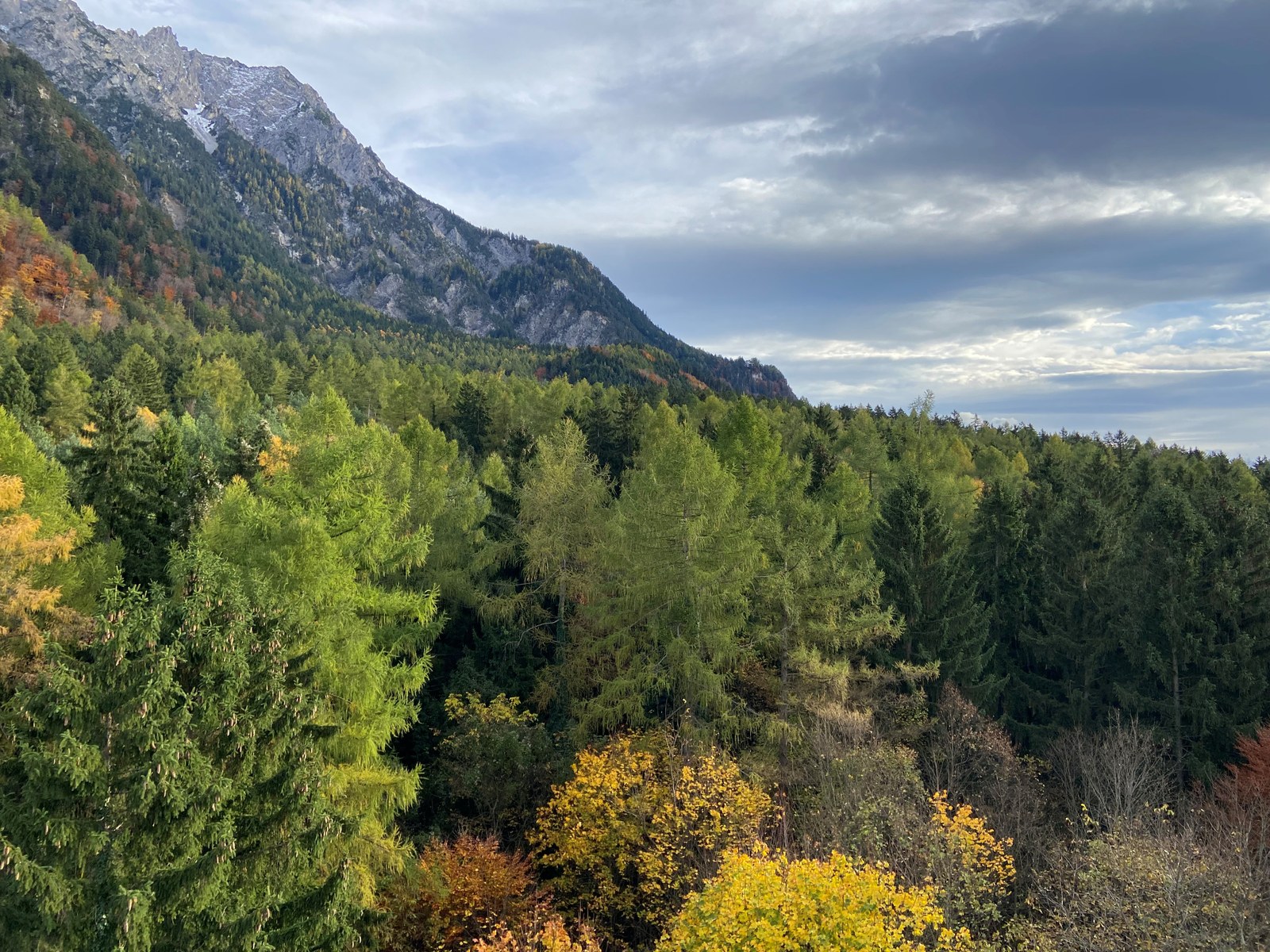
More than 40 percent of the Alpine region is covered by forests. They are not only a defining feature of the landscape, but also a cornerstone of Alpine livelihood, providing building materials, supporting biodiversity, and delivering essential ecosystem services.

Who is CIPRA?
Find out more!
More articles
alpMedia | Schaan, LI
Insufficient snowfall a cause of recessive glaciers
Lower winter precipitation has been one of the causes, along with global warming, behind melting glaciers over the past 150 years. These are the main findings of a study by researchers at the Laboratoire de glaciologie et géophysique de Grenoble/F and the Eidgenössische Technische Hochschule Zurich/CH, published in the Geophysical Research Letters.
alpMedia | Schaan, LI
Alpine transit exchange - a feasible, efficient and cost-effactive solution
An Alpine transit exchange is seen as a viable option for promoting a shift from road to rail for transalpine heavy goods vehicle traffic. A report commissioned by the Swiss Ministry of Transport has confirmed the technical feasibility and economic acceptability of such a solution.
Francesco Pastorelli | CIPRA Italia | Torino, IT
Dolomites of Peace - debating peace today at yesterday's scenes of war
"Dolomites of Peace" is the name of a series of nine events devoted to the subject of peace to be run by writers, philosophers, actors, church representatives and experts between 1 July and 24 August.
alpMedia | Schaan, LI
Fewer glaciers, more earthquakes?
According to the results of research carried out by the Universities of Münster/D and Berne/CH, the advance and retreat of glaciers and lakes can trigger earthquakes.
Events
|
Trento Film Festival | Santa Croce street, 67; I-38122 Trento | |
|
ForumAlpinum 2026 | Aosta | |
|
Webinar: The journey of water | online | |
|
XIV European Mountain Convention | Sallanches / France | |
|
Alps in Motion: new Alpine-wide Day of Action | alpswide |
Projects

CIPRA International Lab
PlurAlps
[Project completed] The Alpine area is experiencing the combined challenges of an ageing population and new migration models. At the same time, opportunities for social innovation and development arise from increasing cultural diversity and pluralism. Mountainous and peripheral Alpine municipalities and regions are specifically concerned and need technical support and new approaches to develop a welcoming culture, which should be credibly embraced and implemented by municipalities, SMEs and civil society.
CIPRA International
BeeAware!
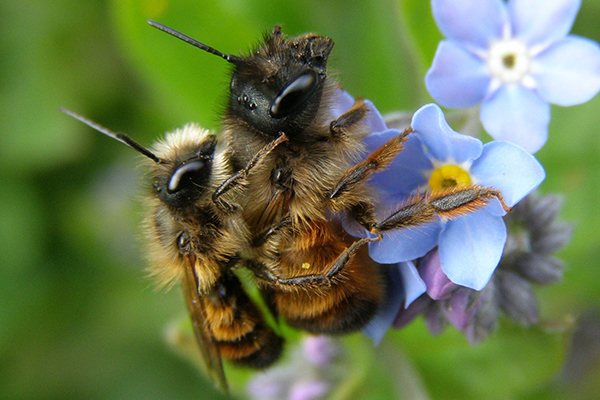
[Project completed] The aim of the project BeeAware! is to inspire communities in the Alps for bee protection and thus to improve the livelihoods of honey and wild bees. Bees are depending on an intact biodiversity. The different bee species need different plants, nesting and drinking places in order to survive. Integral bee protection therefore means securing, improving and enlarging the habitat of these important pollinators.
CIPRA International
GaYA
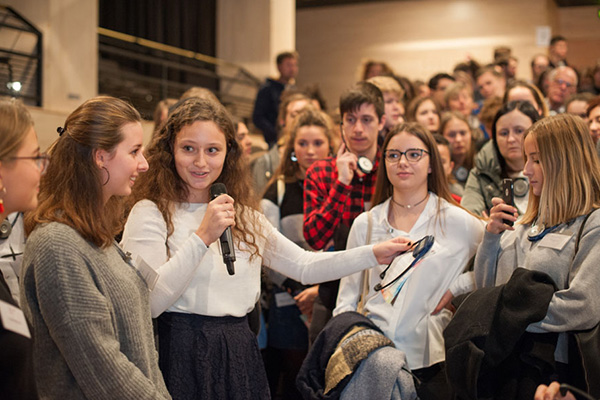
[Project completed] Governance and youth in the Alps - Young people tend to leave the Alpine space because they lack personal and professional fulfilment. Furthermore a majority of decision-makers remain unaware of the benefits a young active population brings to society.