
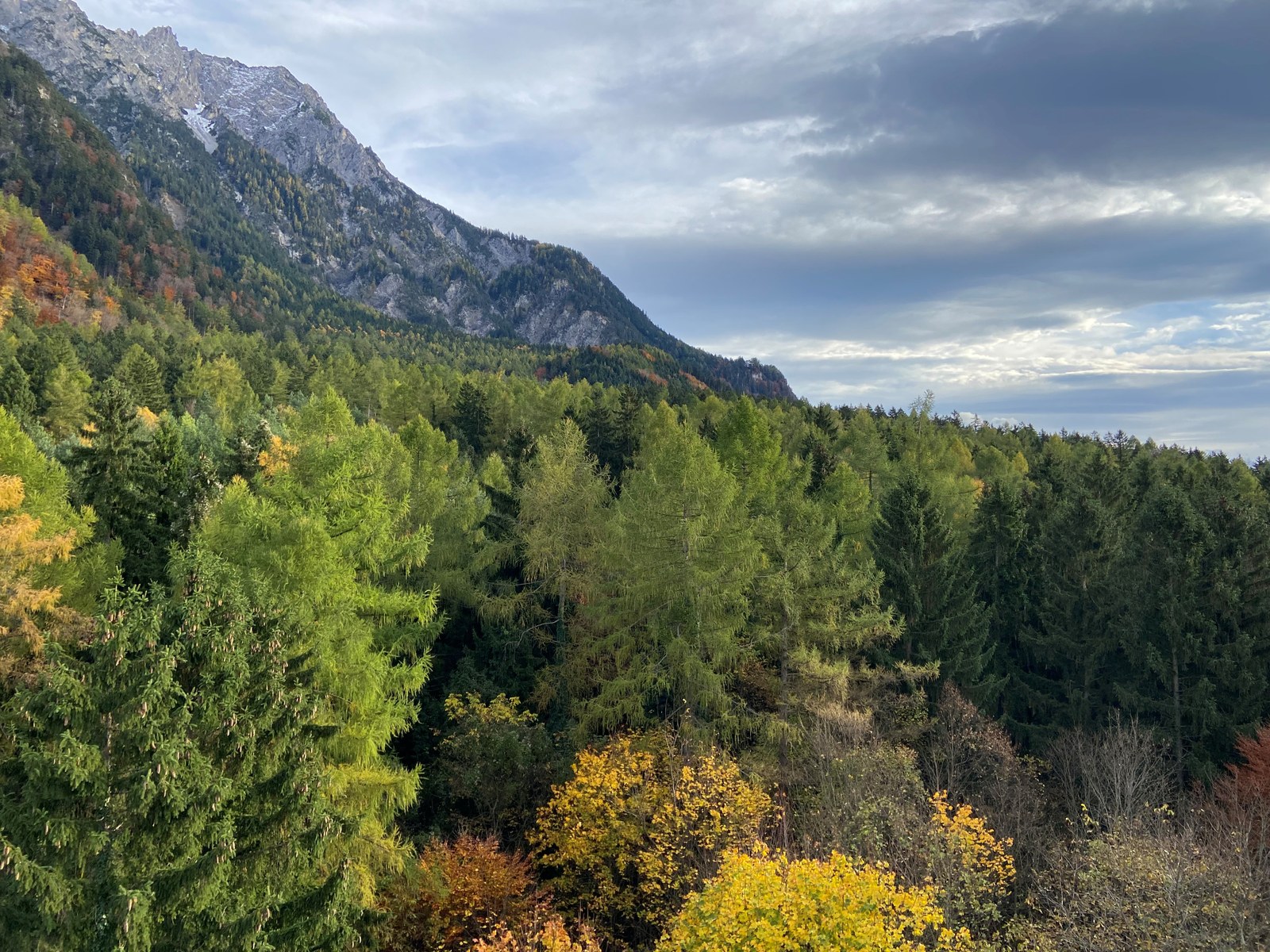
Act now to protect forests: sign the #HandsOffNature petition!
More than 40 percent of the Alpine region is covered by forests. They are not only a defining feature of the landscape, but also a cornerstone of Alpine livelihood, providing building materials, supporting biodiversity, and delivering essential ecosystem services.

Who is CIPRA?
Find out more!
More articles
Michael Gams, CIPRA International
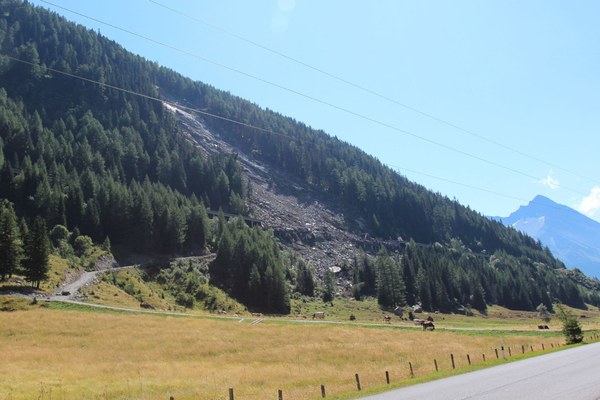
Managing climate risks in biosphere reserves
As an effect of climate change, droughts, floods and other natural hazards are becoming more frequent, sometimes even simultaneously. How can we as a society learn to cope with this and become more resilient in the process? What role can biosphere reserves play in the Alpine region and beyond? With CIPRA participation, a new research project is now looking into these questions.
Maya Mathias, CIPRA International
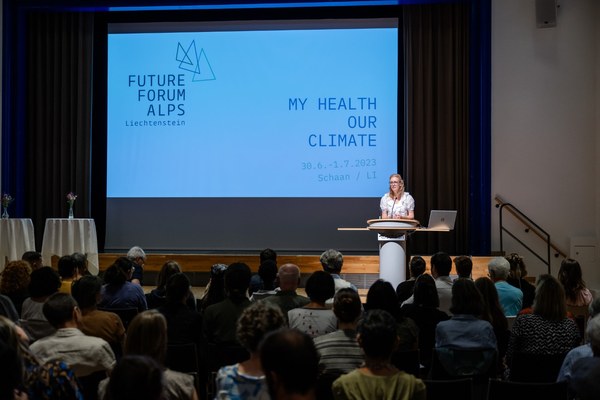
"Climate protection is health protection"
The health consequences of the climate crisis range from cardiovascular problems through to allergies, infectious diseases and depression. At the first Liechtenstein «Future Forum Alps», held at the end of June 2023, some 140 participants from various Alpine countries discussed measures for climate and health protection.
Point of view: Avoiding transport collapse together
As regards the growing volume of individual and transit traffic, it can be stated that neither regional nor national perspectives will lead to solutions. We have to find them together, because the Alps lie in the midst of Europe. This geographical truism is central to an understanding of transport policy problems in the Alps so as to avoid transport collapse, says Kaspar Schuler, Executive Director of CIPRA International.
Elena Heinzmann, CIPRA International
Alpine Basecamp for good ideas
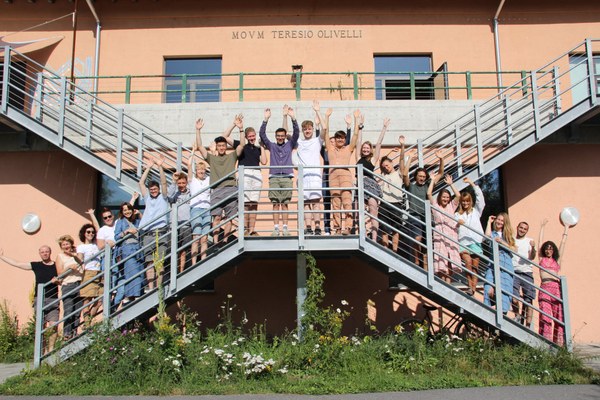
Revitalising valleys, identifying with landscapes, climbing more sustainably, using old irrigation systems innovatively, eating radically and locally: 18 participants honed such project ideas at the second “Alpine Changemaker Basecamp” (ACB), held in Silandro/I at the beginning of July 2023.
Events
|
Trento Film Festival | Santa Croce street, 67; I-38122 Trento | |
|
ForumAlpinum 2026 | Aosta | |
|
Webinar: The journey of water | online | |
|
XIV European Mountain Convention | Sallanches / France | |
|
Alps in Motion: new Alpine-wide Day of Action | alpswide |
Projects
CIPRA International
Living Labs
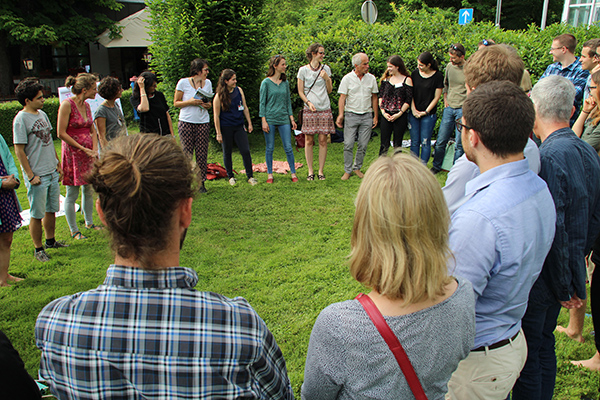
[Project completed] The project “Living Labs” brought together people of different ages from different Alpine countries to work together on process and know-how on selected topics. The project approach was participative and based on the principles of co-creation between young talents aged 18-30 years, environmental NGOs, civil society and politicians. The participants of this intergenerational project are committed to the sustainable development of the Alps at local, national and international level. For a desirable future it is important to set the right course today and to talk about how existing natural resources can be used sustainably.
CIPRA International | CIPRA Deutschland | CIPRA France | CIPRA Italia | CIPRA Slovenija
Sustainable Alpine Tourism
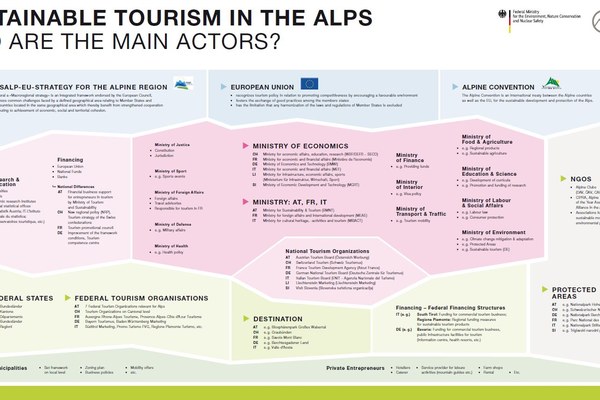
[Project completed] Sustainable tourism in the Alps is the only long-term alternative to conventional mass tourism in order to safeguard the habitat for nature and people. So far, however, there is a lack of jointly defined framework conditions on anational or alpine level for planning, promoting and implementing sustainable tourism.
CIPRA International
Cross-border mobility
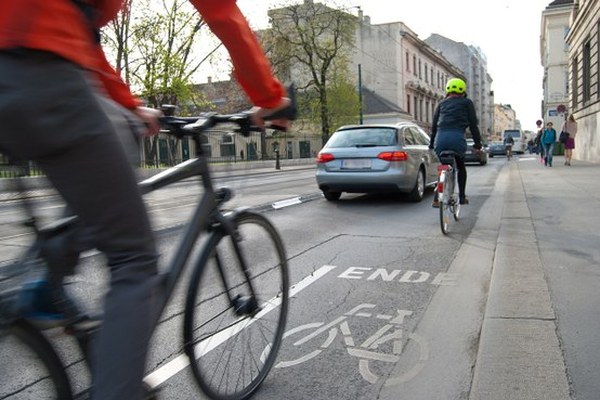
[Project completed] Tens of thousands of commuters move across national borders every day in the Alpine region. Existing traffic routes, however, were mostly built with a purely national perspective and are not geared to cross-border commuter flows. The result is overloaded roads, noise and pollution for local residents.