
Act now to protect forests: sign the #HandsOffNature petition!
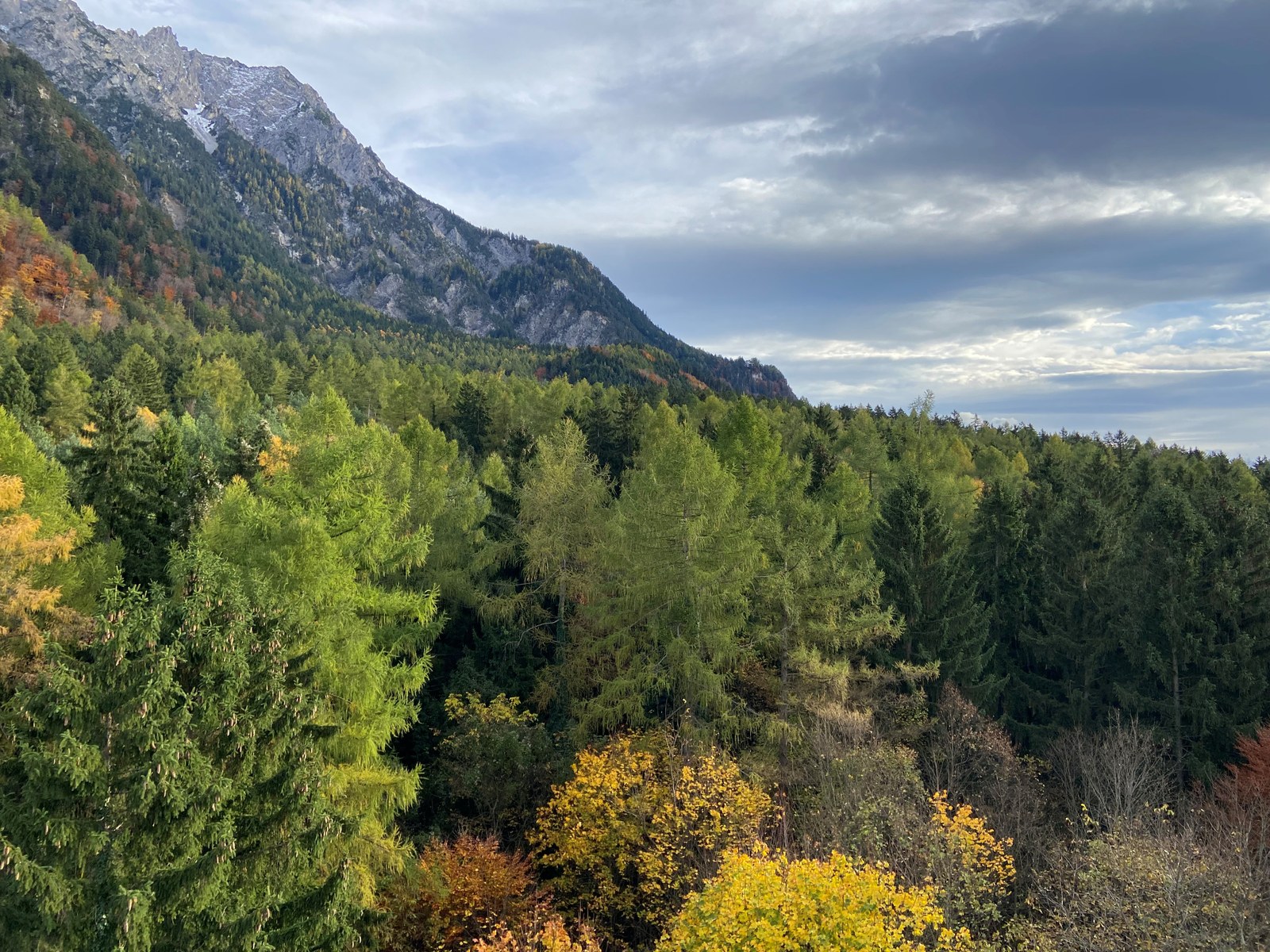
More than 40 percent of the Alpine region is covered by forests. They are not only a defining feature of the landscape, but also a cornerstone of Alpine livelihood, providing building materials, supporting biodiversity, and delivering essential ecosystem services.

Who is CIPRA?
Find out more!
More articles
alpMedia | Schaan, LI
2005 European Solar Prize announced
Eurosolar is again awarding the German and European Solar Prizes in 2005, with 31 August as the deadline for submissions.
alpMedia | Schaan, LI
France ratifies all Alpine Convention protocols
Following the decision taken by the Chamber of Deputies on 10 March, the French Senate approved ratification of the remaining protocols to the Alpine Convention in a unanimous vote with just one abstention on 12 May.
2005 Junior Ranger Camp - Protected areas and cross-border co-operation
From 31 July to 6 August the Gesäuse National Park in Austria is hosting an International Junior Ranger Camp. Junior Ranger is the name of a European pilot project co-ordinated by EUROPARC which is targeted at young people from the affiliated protected areas and the regions bordering on them.
alpMedia | Schaan, LI
Snowcats and man-made snow as a threat to plant diversity
The number of plant species growing on mountain slopes used for ski trails in Switzerland is eleven percent lower than on adjoining sites. The reduction is especially striking in the case of woody and early flowering plants.
Events
|
Youth Parliament to the Alpine Convention: Climate Resilient Development | ||
|
The Better-Cities Event | Ljubljana | |
|
Local Peaks, Global Learning | online | |
|
Transhumance as Intangible Cultural Heritage of Humanity: A Way Forward? | MUCEM, Marseille/France | |
|
Growing alternative crops for new market opportunities in a changing climate | Vienna/Austria |
Projects
CIPRA International | CIPRA Deutschland | CIPRA Italia | CIPRA France
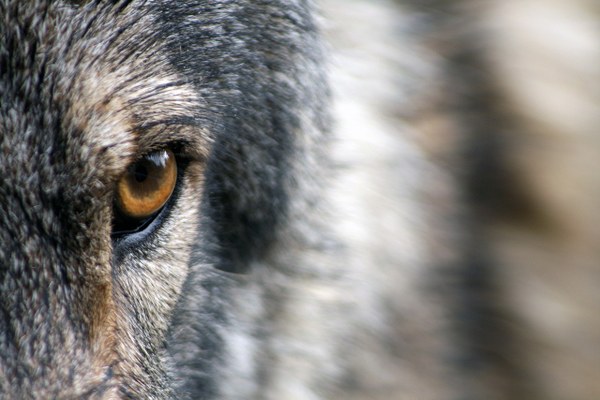
Knowledge transfer on the co-adaptation of humans and wolves in the Alpine region
[Project completed] The return of large carnivores is increasingly causing the fronts to harden between different groups of stakeholders. Among the large carnivores returning to the Alps, the wolf is the most widespread and therefore the most widely debated animal. Wolves are synanthropic animals and cross boundaries - physical as well as intangible ones – regularly. Thus, they have been accompanying and influencing social and cultural processes since time immemorial. In this project, CIPRA has taken on the task to collect, analyse, make available and disseminate knowledge about the co-adaptation of humans and wolves throughout the Alps.