
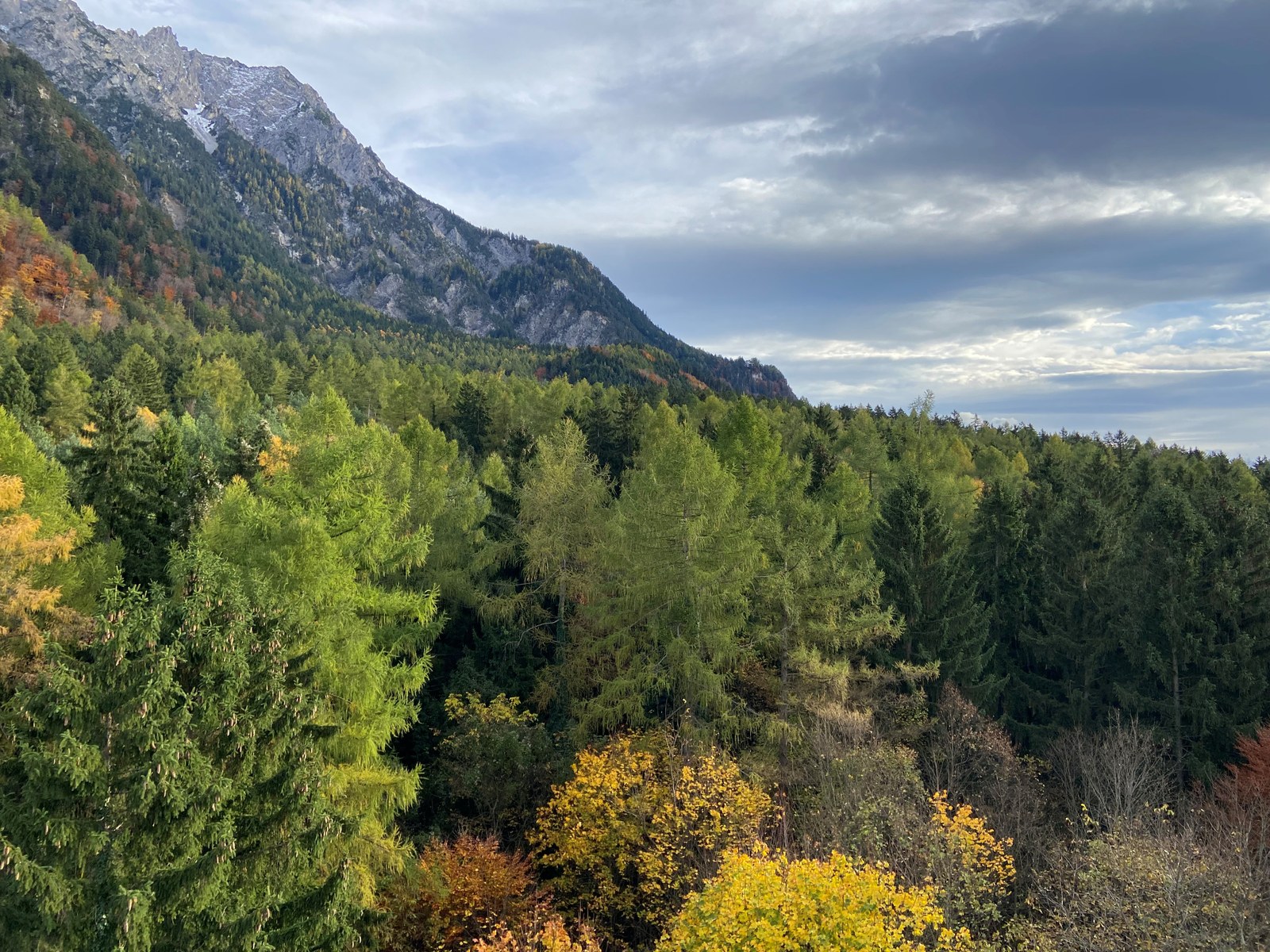
Act now to protect forests: sign the #HandsOffNature petition!
More than 40 percent of the Alpine region is covered by forests. They are not only a defining feature of the landscape, but also a cornerstone of Alpine livelihood, providing building materials, supporting biodiversity, and delivering essential ecosystem services.

Who is CIPRA?
Find out more!
More articles
alpMedia | Schaan, LI
8th Alpine ministerial meeting: mixed results
At the 8th Alpine Conference held in Garmisch-Partenkirchen/D on 16 November the Environment Ministers of the alpine states were unable to reach agreement on drawing up a legally binding "Population and Culture" protocol for the Alpine Convention. In the area of transport however the alpine states intend to set a new direction.
alpMedia | Schaan, LI
Glaciers melting faster than anticipated
A new study by Zurich University using satellite images to analyse the surface area of 930 glaciers has shown that Switzerland's glaciers lost around 18% of their surface area between 1985 and 2000.
alpMedia | Schaan, LI
Storm Lothar not an ecological disaster
Storm damage does not pose a threat to the long-term conservation of Switzerland's forests; rather it contributes to forest renewal and promotes biodiversity.
alpMedia | Schaan, LI
Certification system for sustainable hotel establishments
The Ibex Label is to be used to certify Swiss hotel establishments which excel through particularly sustainable and social management. Depending on achievements one to five of these Ibexes are to be awarded by the Association for Economy, Ecology and Society.
Events
|
Symposium 2: Vernacular Buildings in the Anthropocene | Austrian Academy of Sciences, Vienna (Austria) |
Projects
CIPRA International
speciAlps
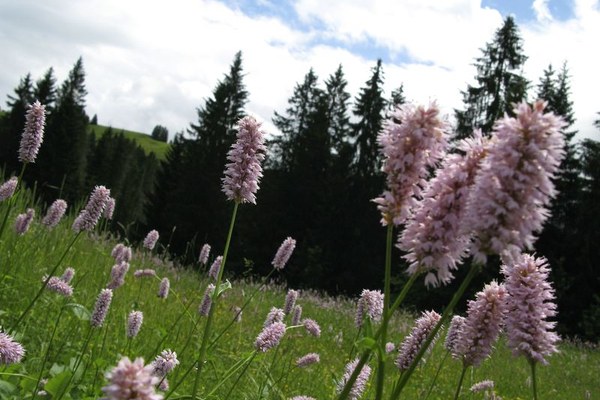
[Project completed] Grasslands, marshes, hedges, biotopes and woods are examples of natural treasures and biological diversity that are of great value to alpine regions and municipalities. Not only do they offer a habitat for plants and animals, but also humans value functioning natural areas for their attractiveness and the quality of life they offer. Nevertheless, –these areas have much more potential than we often realise and there is much more every municipality can do!
CIPRA International | CIPRA France
whatsalps youth
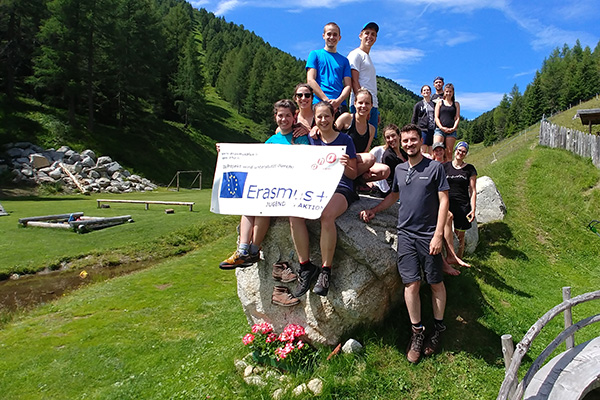
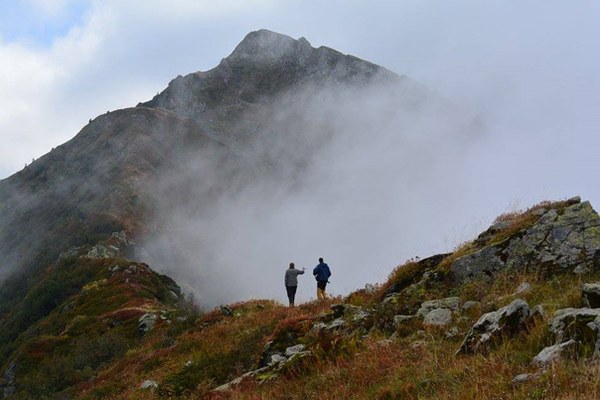
[Project completed] Many young people spend most of their time indoors, sit in front of the TV or the computer. The "whatsalp youth"-project lured them out. The CIPRA Youth Council, together with CIPRA International and other project partners, was implementing it.
CIPRA International
Worthwild
[Project completed] Only minimally impacted by human intervention, areas with limited infrastructural development in the Alps provide European societies with a wide range of ecosystem services, such as the conservation of biodiversity and climate regulation.