
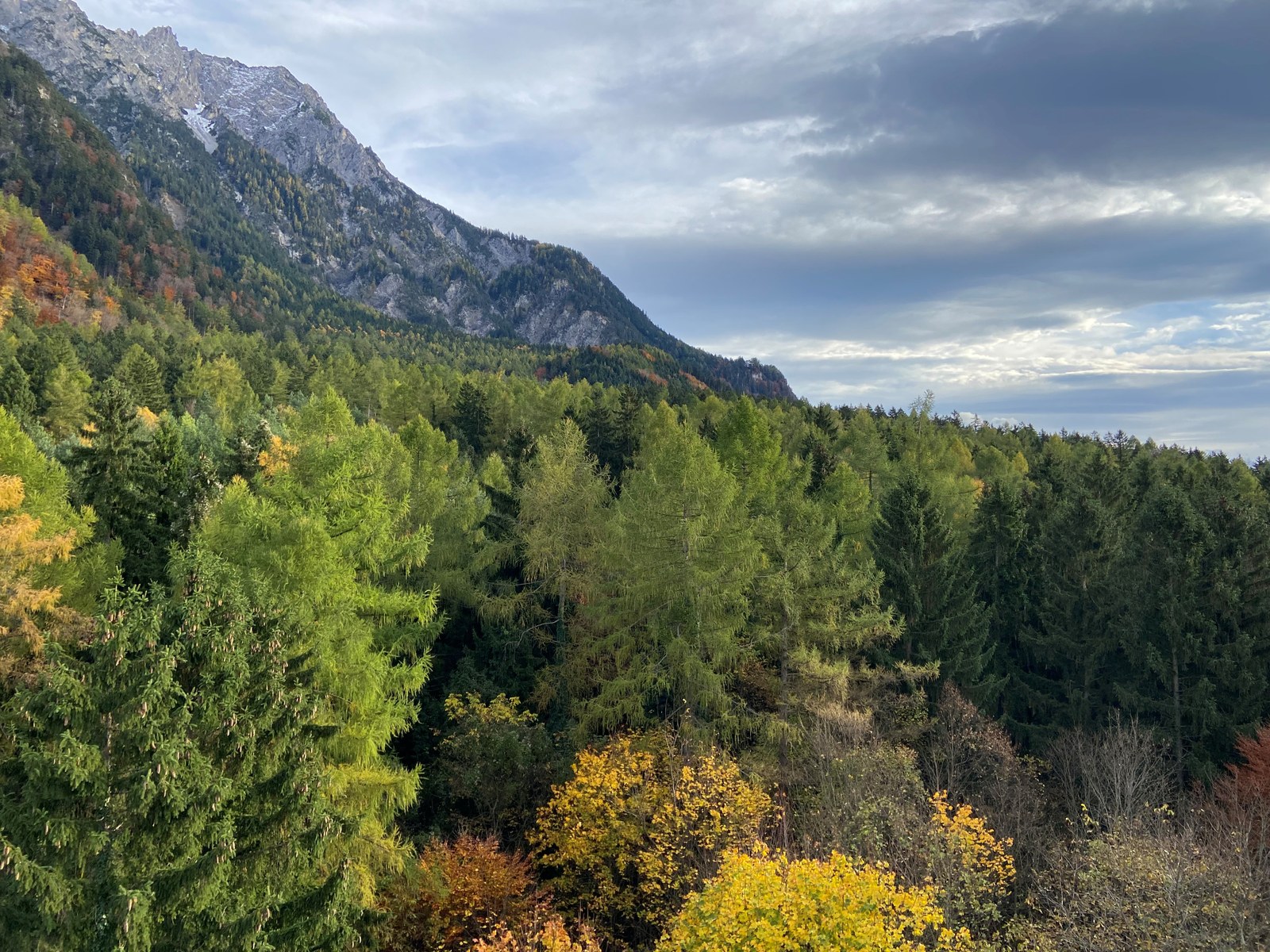
Act now to protect forests: sign the #HandsOffNature petition!
More than 40 percent of the Alpine region is covered by forests. They are not only a defining feature of the landscape, but also a cornerstone of Alpine livelihood, providing building materials, supporting biodiversity, and delivering essential ecosystem services.

Who is CIPRA?
Find out more!
More articles
alpMedia | Schaan, LI
8th Alpine ministerial meeting: mixed results
At the 8th Alpine Conference held in Garmisch-Partenkirchen/D on 16 November the Environment Ministers of the alpine states were unable to reach agreement on drawing up a legally binding "Population and Culture" protocol for the Alpine Convention. In the area of transport however the alpine states intend to set a new direction.
alpMedia | Schaan, LI
Glaciers melting faster than anticipated
A new study by Zurich University using satellite images to analyse the surface area of 930 glaciers has shown that Switzerland's glaciers lost around 18% of their surface area between 1985 and 2000.
alpMedia | Schaan, LI
Storm Lothar not an ecological disaster
Storm damage does not pose a threat to the long-term conservation of Switzerland's forests; rather it contributes to forest renewal and promotes biodiversity.
alpMedia | Schaan, LI
Certification system for sustainable hotel establishments
The Ibex Label is to be used to certify Swiss hotel establishments which excel through particularly sustainable and social management. Depending on achievements one to five of these Ibexes are to be awarded by the Association for Economy, Ecology and Society.
Events
|
Youth Parliament to the Alpine Convention: Climate Resilient Development | ||
|
The Better-Cities Event | Ljubljana | |
|
Local Peaks, Global Learning | online | |
|
Transhumance as Intangible Cultural Heritage of Humanity: A Way Forward? | MUCEM, Marseille/France | |
|
Growing alternative crops for new market opportunities in a changing climate | Vienna/Austria |
Projects
CIPRA International
AlpInnoCT
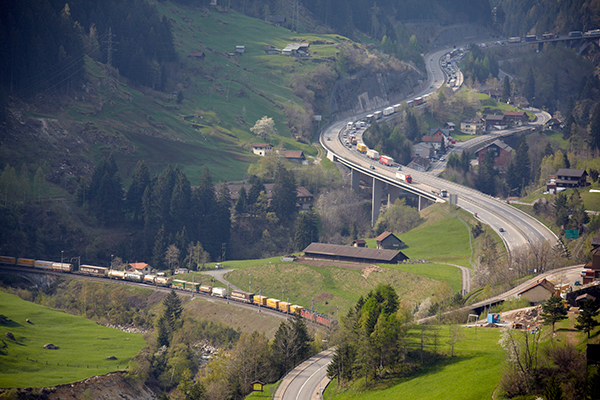
[Project completed] The Alps are a sensitive ecosystem that has to be protected from pollutant emissions and climate change. The alpine road freight transport has enormous ecological and sociocultural effects on the alpine habitat. Most actors such as forwarders, port operators, administrations and consumers, are aware of these negative effects and they are working on their own technical or regulatory solutions. However, a constructive and participatory dialogue between all involved actors, in order to promote sustainable freight transport within the Alps, has not been established so far.
CIPRA International
AlpES
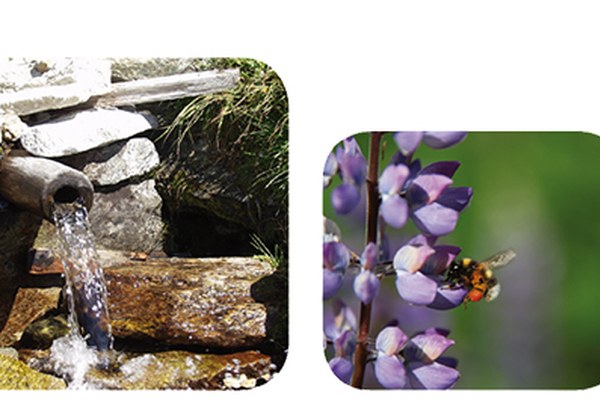
[Project completed] Ecosystems and their services go beyond national borders and need a transnational approach for their dynamic protection, sustainable use, management and risk prevention. As a basis for joint action, public authorities, policy makers, NGOs, researchers and economic actors – the AlpES target groups – need a common understanding of ecosystem services, comparable information on their status and support in using appropriate tools for integrating them in their fields of work.
CIPRA International
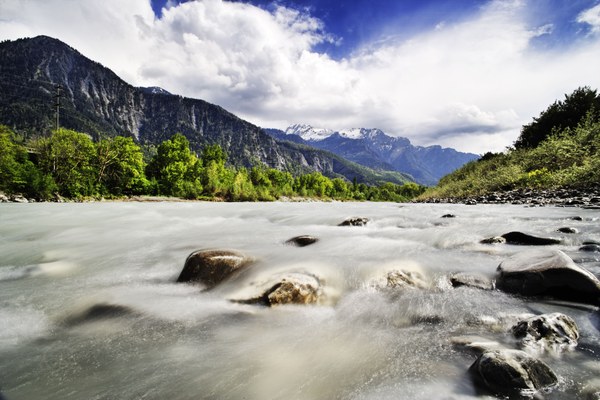
SPARE – Alpine rivers as society’s lifelines
[Project completed] What is the state of the Alpine rivers? How can we bring those responsible and other interested parties to committing themselves to holistic river management? The SPARE project strives to answer these and other questions.