
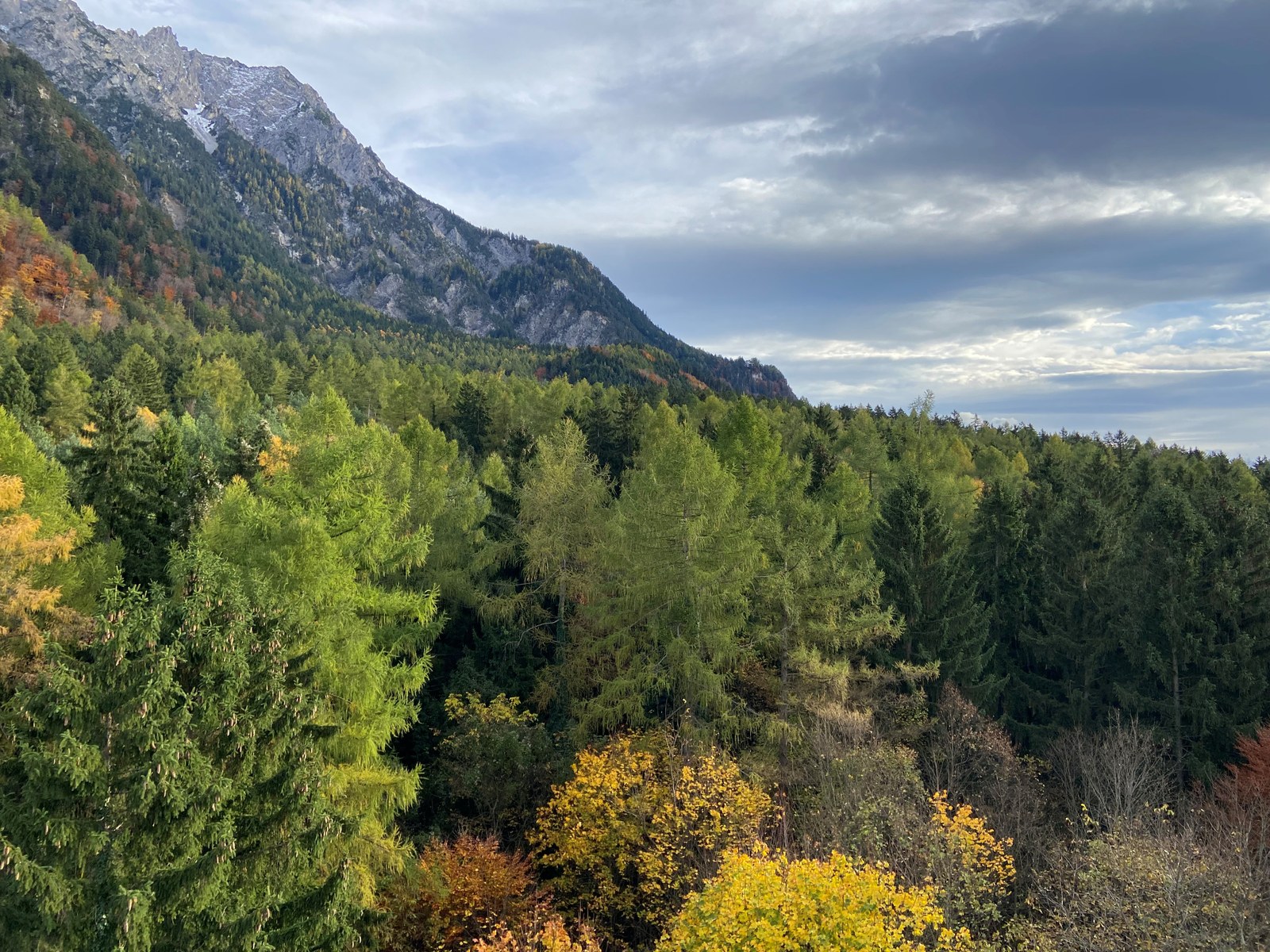
Act now to protect forests: sign the #HandsOffNature petition!
More than 40 percent of the Alpine region is covered by forests. They are not only a defining feature of the landscape, but also a cornerstone of Alpine livelihood, providing building materials, supporting biodiversity, and delivering essential ecosystem services.

Who is CIPRA?
Find out more!
More articles
alpMedia | Schaan, LI
Landmark NEAT Project under pressure to cut costs
According to the Swiss Federal Office for Transport total costs of Switzerland's "New Alps Transversal Route" (NEAT) are likely to be CHF 302 m higher than calculated in the summer, due essentially to geological fault zones, uncertainties about the planned route and costly rail securing techniques.
alpMedia | Schaan, LI
More protection against GMO crossover
The Environment Ministers of Switzerland, Austria, Liechtenstein and Germany have called for genetically modified plants to be regulated by cross-border legislation. At the traditional annual meeting held in Potsdam on 16 September the four Ministers discussed not only ecological and transport policy issues but also how to deal with gene technology in agriculture.
alpMedia | Schaan, LI
Are the Alps fit for the future? "Future in the Alps" project gets underway
At the Alpine Week 2004 in Kranjska Gora, Slovenia, the International Commission for the Protection of the Alps (CIPRA) presented its new project entitled "Future in the Alps", a broad-based project aimed at promoting sustainable development in the alpine region.
alpMedia | Schaan, LI
Greater co-operation to protect against natural hazards
Switzerland, Germany, Austria and Liechtenstein intend to co-operate even more closely to protect against natural hazards in the Alps. This decision was taken by the four German-language Environmental Ministers at this year's meeting in Potsdam/D. The Ministers concurred that natural catastrophes in the Alps were likely to occur more and more often despite all the efforts being made with regard to climate protection.
Events
|
Youth Parliament to the Alpine Convention: Climate Resilient Development | ||
|
The Better-Cities Event | Ljubljana | |
|
Local Peaks, Global Learning | online | |
|
Transhumance as Intangible Cultural Heritage of Humanity: A Way Forward? | MUCEM, Marseille/France | |
|
Growing alternative crops for new market opportunities in a changing climate | Vienna/Austria |
Projects
CIPRA International Lab
PlurAlps
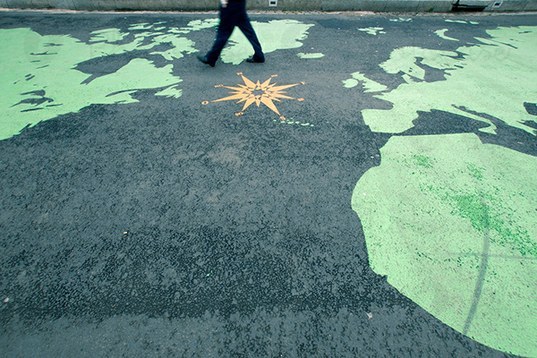
[Project completed] The Alpine area is experiencing the combined challenges of an ageing population and new migration models. At the same time, opportunities for social innovation and development arise from increasing cultural diversity and pluralism. Mountainous and peripheral Alpine municipalities and regions are specifically concerned and need technical support and new approaches to develop a welcoming culture, which should be credibly embraced and implemented by municipalities, SMEs and civil society.
CIPRA International
BeeAware!
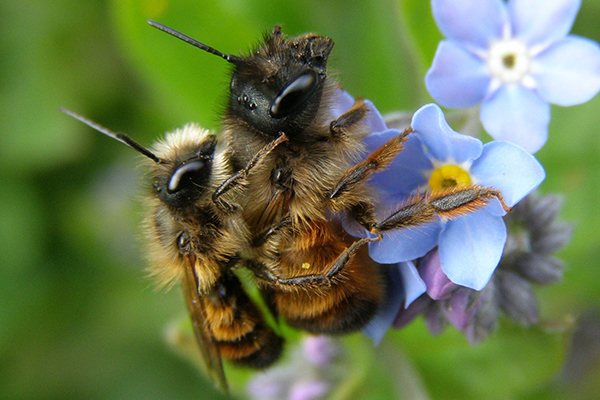
[Project completed] The aim of the project BeeAware! is to inspire communities in the Alps for bee protection and thus to improve the livelihoods of honey and wild bees. Bees are depending on an intact biodiversity. The different bee species need different plants, nesting and drinking places in order to survive. Integral bee protection therefore means securing, improving and enlarging the habitat of these important pollinators.
CIPRA International
GaYA
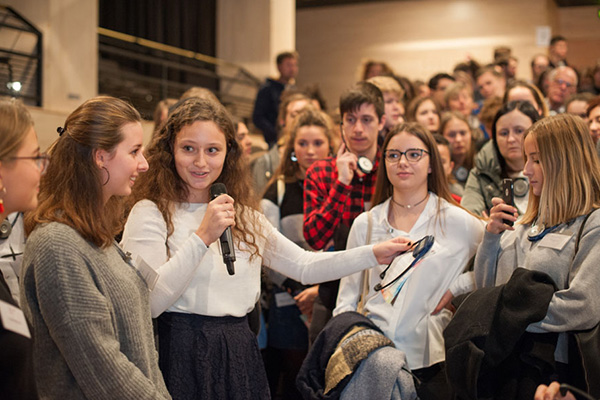
[Project completed] Governance and youth in the Alps - Young people tend to leave the Alpine space because they lack personal and professional fulfilment. Furthermore a majority of decision-makers remain unaware of the benefits a young active population brings to society.