
Act now to protect forests: sign the #HandsOffNature petition!
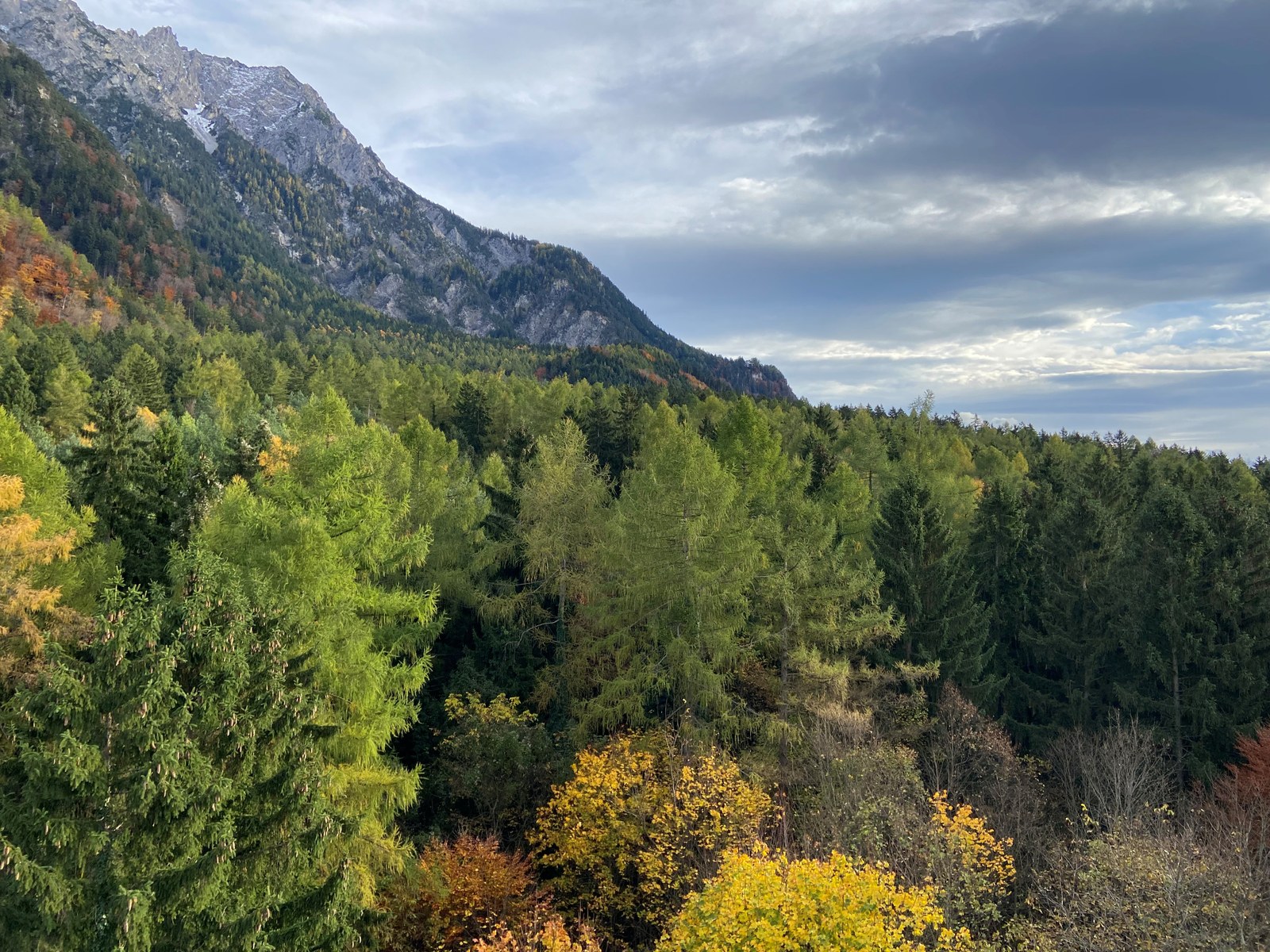
More than 40 percent of the Alpine region is covered by forests. They are not only a defining feature of the landscape, but also a cornerstone of Alpine livelihood, providing building materials, supporting biodiversity, and delivering essential ecosystem services.

Who is CIPRA?
Find out more!
More articles
alpMedia | Schaan, LI
The Emmen valley - The vision of a valley heated without oil
Timber and solar energy rather than oil, gas and electricity are to be the heating resources of the future in Switzer-land's Emmen valley. Although the Emmen valley region is densely forested, each year it still buys in some CHF 30 m's worth of oil, gas and electricity - while more than half the wood accruing each year simply rots away in the region's forests. It's a situation the "Oil of Emmental" project hopes to remedy.
alpMedia | Schaan, LI
Hydrogen-powered piste vehicles in the Alps
The Swiss association Swiss Alps 3000 has launched a new campaign aimed at zero-emissions mobility in the Alps. As part of the campaign it presented the prototype of a hydrogen-powered piste vehicle. The first vehicle of this type was tested during winter 2003/2004.
alpMedia | Schaan, LI
King Albert I Memorial Foundation Award
For the sixth time now the King Albert I Memorial Foundation presented awards for outstanding achievements in connection with the mountains of the world at Pontresina/CH on 11 September 2004.
alpMedia | Schaan, LI
Ultra-low energy building gains altitude
The highest ultra-low energy business premises of the Alps were officially opened in Punt Muragl (En-gadine/Switzerland) at the end of August. Gasser Building Materials' 23,000 m3 warehouse with integrated DIY store is situated at an altitude of 1,728 m above sea level and is heated almost exclusively by solar energy.
Events
|
Youth Parliament to the Alpine Convention: Climate Resilient Development | ||
|
The Better-Cities Event | Ljubljana | |
|
Local Peaks, Global Learning | online | |
|
Transhumance as Intangible Cultural Heritage of Humanity: A Way Forward? | MUCEM, Marseille/France | |
|
Growing alternative crops for new market opportunities in a changing climate | Vienna/Austria |
Projects
CIPRA International
Living Labs
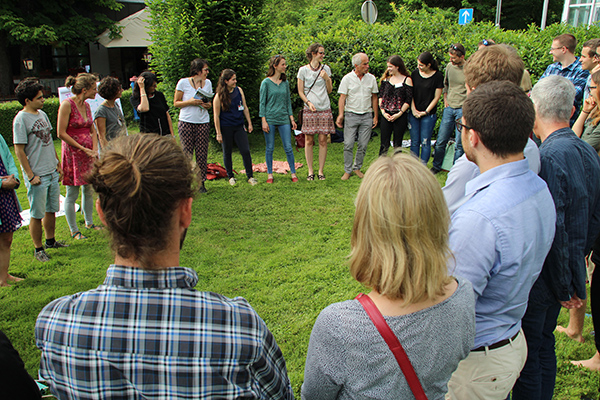
[Project completed] The project “Living Labs” brought together people of different ages from different Alpine countries to work together on process and know-how on selected topics. The project approach was participative and based on the principles of co-creation between young talents aged 18-30 years, environmental NGOs, civil society and politicians. The participants of this intergenerational project are committed to the sustainable development of the Alps at local, national and international level. For a desirable future it is important to set the right course today and to talk about how existing natural resources can be used sustainably.
CIPRA International | CIPRA Deutschland | CIPRA France | CIPRA Italia | CIPRA Slovenija
Sustainable Alpine Tourism
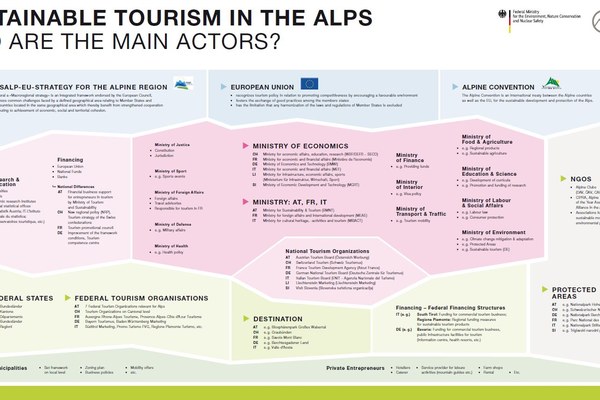
[Project completed] Sustainable tourism in the Alps is the only long-term alternative to conventional mass tourism in order to safeguard the habitat for nature and people. So far, however, there is a lack of jointly defined framework conditions on anational or alpine level for planning, promoting and implementing sustainable tourism.
CIPRA International
Cross-border mobility
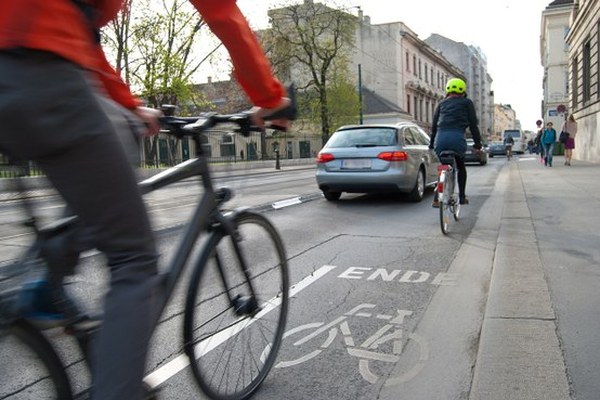
[Project completed] Tens of thousands of commuters move across national borders every day in the Alpine region. Existing traffic routes, however, were mostly built with a purely national perspective and are not geared to cross-border commuter flows. The result is overloaded roads, noise and pollution for local residents.