
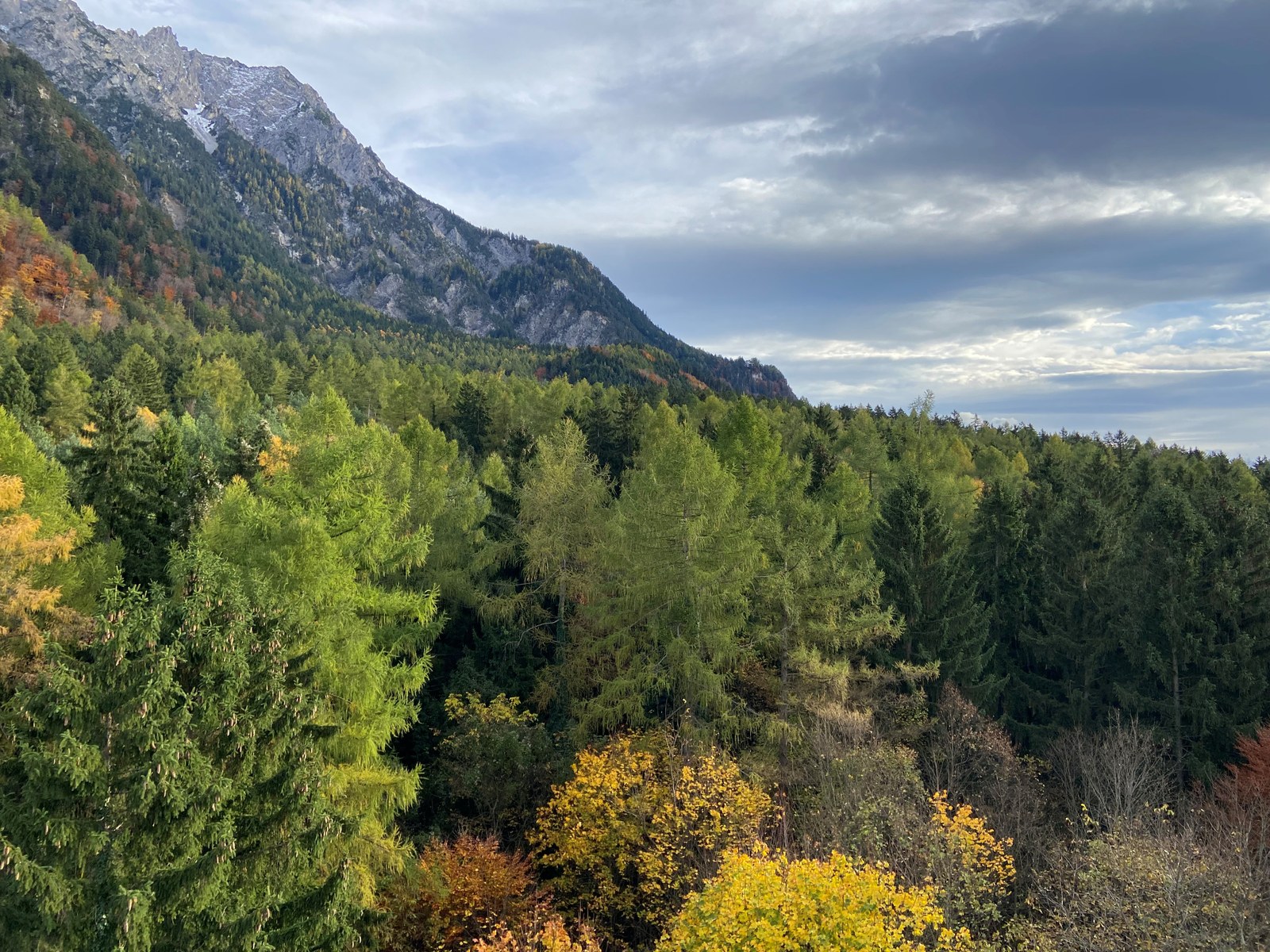
Act now to protect forests: sign the #HandsOffNature petition!
More than 40 percent of the Alpine region is covered by forests. They are not only a defining feature of the landscape, but also a cornerstone of Alpine livelihood, providing building materials, supporting biodiversity, and delivering essential ecosystem services.

Who is CIPRA?
Find out more!
More articles
alpMedia | Schaan, LI
Invitation to compete for the International Environment Award
Exemplary environmental protection projects from all over the world that are closely linked to tourism are eligible for the International Environment Award. The Award is presented each year by the German Association of Travel Agencies and Tour Operators.
alpMedia | Schaan, LI
Alpine Week: Four organisations that operate throughout the Alps join forces
This year the International Commission for the Protection of the Alps (CIPRA), the International Scientific Committee for Alpine Research (ISCAR), the municipality network Alliance in the Alps and the Network of Alpine Protected Areas (Alparc) are organising a joint conference in the form of an "Alpine Week". It is to be held in Kranjska Gora/SI from 22 to 25 September. The conference has elected as its theme: "The Alps of the Coming Generation - From Forecasts to Action".
alpMedia | Schaan, LI
Project launch: Study of persistent organic pollutants in the Alps
Very little is known to date about the actual extent of the threat to the Alps caused by persistent highly toxic environmental pollutants, also known as POP chemicals. However initial studies suggest that they do represent a burden on the Alps, especially since POPs tend to deposit in cold areas such as mountain regions.
alpMedia | Schaan, LI
European Mountain Forum launches Mediterranean co-ordination agency
The European Mountain Forum has launched its new Mediterranean co-ordination agency at Les Planes de Son/E on 16 and 17 June as part of the international conference on "Sustainable Development in Mediterranean Mountain Regions: Past, Present and Future". Its aim is to promote the idea of sustainable development and its implementation in the Mediterranean region, and to raise the awareness of the significance of Mediterranean mountain regions not just among the local population but throughout Europe and the world.
Events
|
Youth Parliament to the Alpine Convention: Climate Resilient Development | ||
|
The Better-Cities Event | Ljubljana | |
|
Local Peaks, Global Learning | online | |
|
Transhumance as Intangible Cultural Heritage of Humanity: A Way Forward? | MUCEM, Marseille/France | |
|
Growing alternative crops for new market opportunities in a changing climate | Vienna/Austria |
Projects
CIPRA International
Alps2030
[Project completed] Climate change, increasing consumption of resources and waste problems threaten nature and society in the Alps. With their 17 Sustainable Development Goals (SDGs), almost all countries worldwide have set themselves the target of making global development socially, ecologically and economically sustainable by 2030.
CIPRA International | CIPRA Youth Council
AlpTick
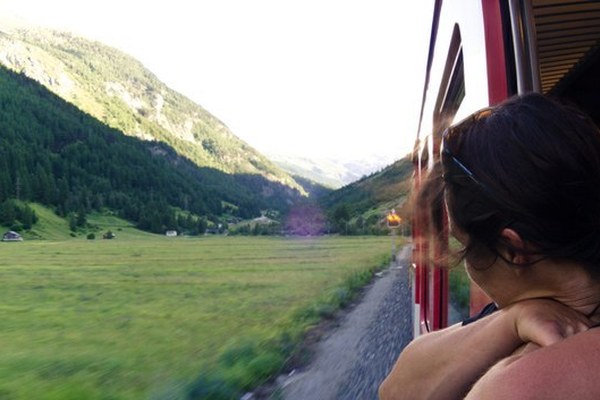
Having one ticket for all public transportation in the entire Alpine region – this is our vision. The Alpine Ticket (AlpTick) makes travelling in the Alps easier, more sustainable and more attractive for young people. It is an idea developed by the CIPRA Youth Council (CYC) based on its members’ experiences of travelling on public transport in the Alps.
CIPRA International | CIPRA Slovenija | CIPRA Deutschland | CIPRA Italia | CIPRA Schweiz | CIPRA France | CIPRA Youth Council
Re.sources
[Project completed] Water, soil, bees, ideas, motivation, time: the Alps contain a wide range of resources. A large part of the natural capital is under threat, while the social potential for more sustainable solutions still slumbers in many places. What are my resources and what are yours? Which ones are in danger and which ones are our lives dependent on? What resources does it take to make a change towards sustainable development in the Alps?