
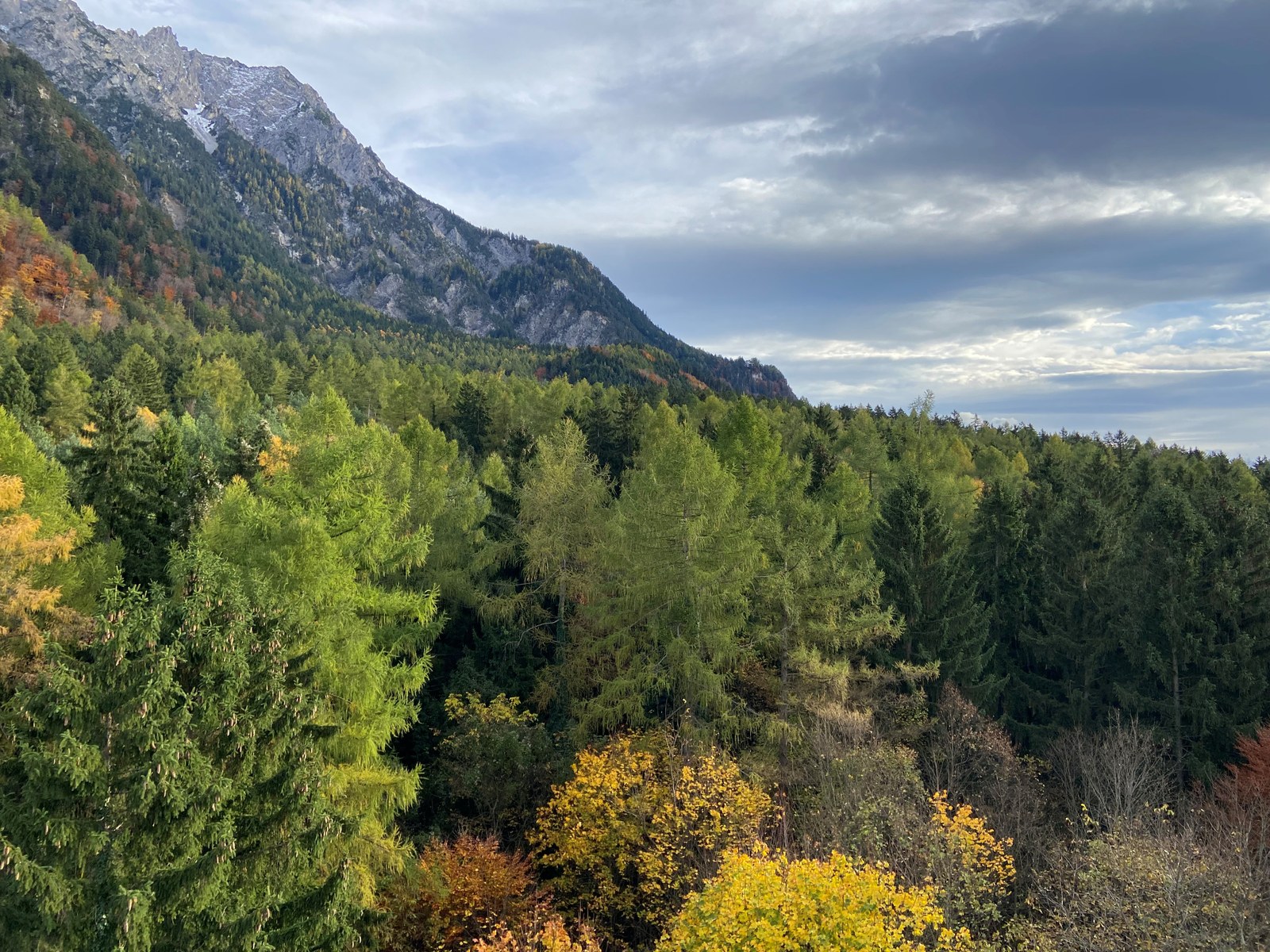
Act now to protect forests: sign the #HandsOffNature petition!
More than 40 percent of the Alpine region is covered by forests. They are not only a defining feature of the landscape, but also a cornerstone of Alpine livelihood, providing building materials, supporting biodiversity, and delivering essential ecosystem services.

Who is CIPRA?
Find out more!
More articles
alpMedia | Schaan, LI
New publication: EU Agricultural Policy and the Environment in the Alps
The Alpine Environment Department of the European Academy in Bolzano has just published a new work entitled The EU Agricultural Policy and the Environment - Evaluation of the Alpine Region. It looks at the connections between agricultural policy, agriculture and the environment in the Alps, all of which were analysed by an interdisciplinary team of researchers. Key issues raised include: In what alpine regions is the decline of agriculture particularly severe? Where are the centres of tourism located, and which regions have the highest population density?
alpMedia | Schaan, LI
EU nature protection database
Together with the European Topic Centre for Nature Protection and Biodiversity (ETC/NPB in Paris/F) and the European Environmental Information Observation Network (EIONET) the European Environmental Agency EEA has just published a new database with information on the protection of nature: EUNIS - European Nature Information System.
alpMedia | Schaan, LI
Merger of three "mountain organisations"
The three organisations Association Européenne des Elus de Montagne (AEM), Euromontana and the European Mountain Forum (EMF) have set up a committee of European mountain organisations called CLAME or Comité de liaison des associations de montagnes européennes.
alpMedia | Schaan, LI
Studies and conference on rail network extensions in the Alpine Rhine region
The A13/E43 network has commissioned a study in the border region between Germany, Switzerland, Austria and Liechtenstein with the following basic requirements for the future provision of public passenger transport services: Rail links to the large agglomerations in southern Germany and from the upper Rhine valley to the central areas of southern Germany and western Austria; expansion of the S-Bahn network in the region comprising eastern Switzerland, the eastern area of Lake Constance and the upper Rhine valley; development of tram/suburban railway systems such a half-hourly S-Bahn link between Feldkirch/A and Buchs/CH.
Events
|
Youth Parliament to the Alpine Convention: Climate Resilient Development | ||
|
The Better-Cities Event | Ljubljana | |
|
Local Peaks, Global Learning | online | |
|
Transhumance as Intangible Cultural Heritage of Humanity: A Way Forward? | MUCEM, Marseille/France | |
|
Growing alternative crops for new market opportunities in a changing climate | Vienna/Austria |
Projects
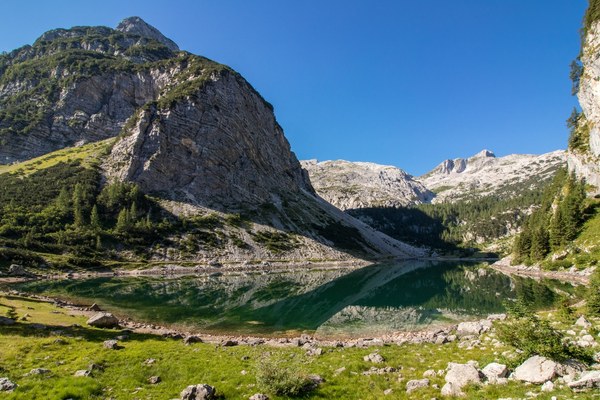
Responsible management of mountain water resources
Mountain regions constitute a unique yet fragile natural environment that provides habitat for numerous rare and endemic species. Their biodiversity is rich, yet highly vulnerable. These areas host a variety of aquatic ecosystems—rivers, streams, lakes, wetlands and peat bogs — which have very limited self-purification capacity and are extremely sensitive to change. Their condition is directly affected by climate change and human activities.
CIPRA International
Alpine Changemaker Network
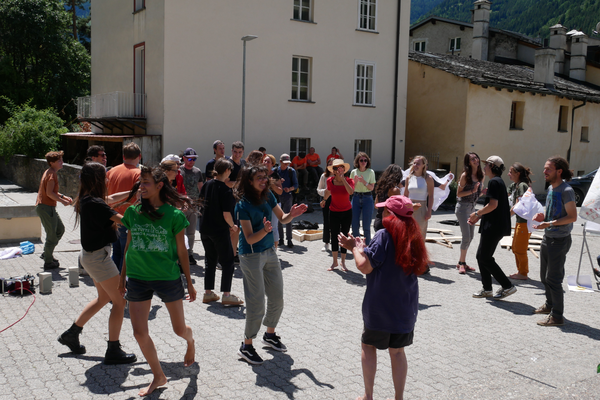
How can we advance eco-social transformation in the Alpine region? The Alpine Changemaker Network project combines Alpine traditions, as reflected in contemporary art, culture and design, with current approaches to overcoming global crises.
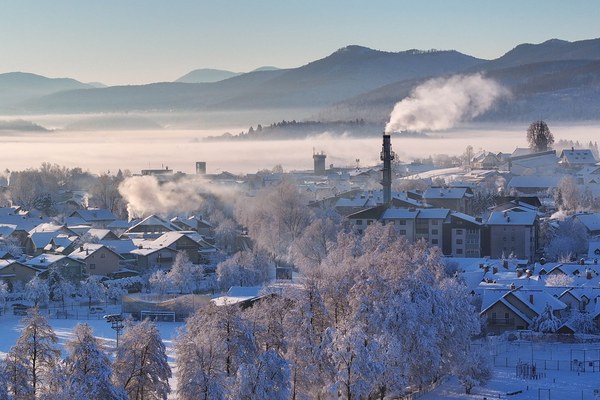
Heating of buildings and air quality 2.0
The project represents a continuation of efforts to reduce air pollution resulting from improper combustion in individual furnaces. Particular attention is paid to the use of outdated wood biomass combustion devices, which contribute significantly to emissions of particles that are harmful to health.