
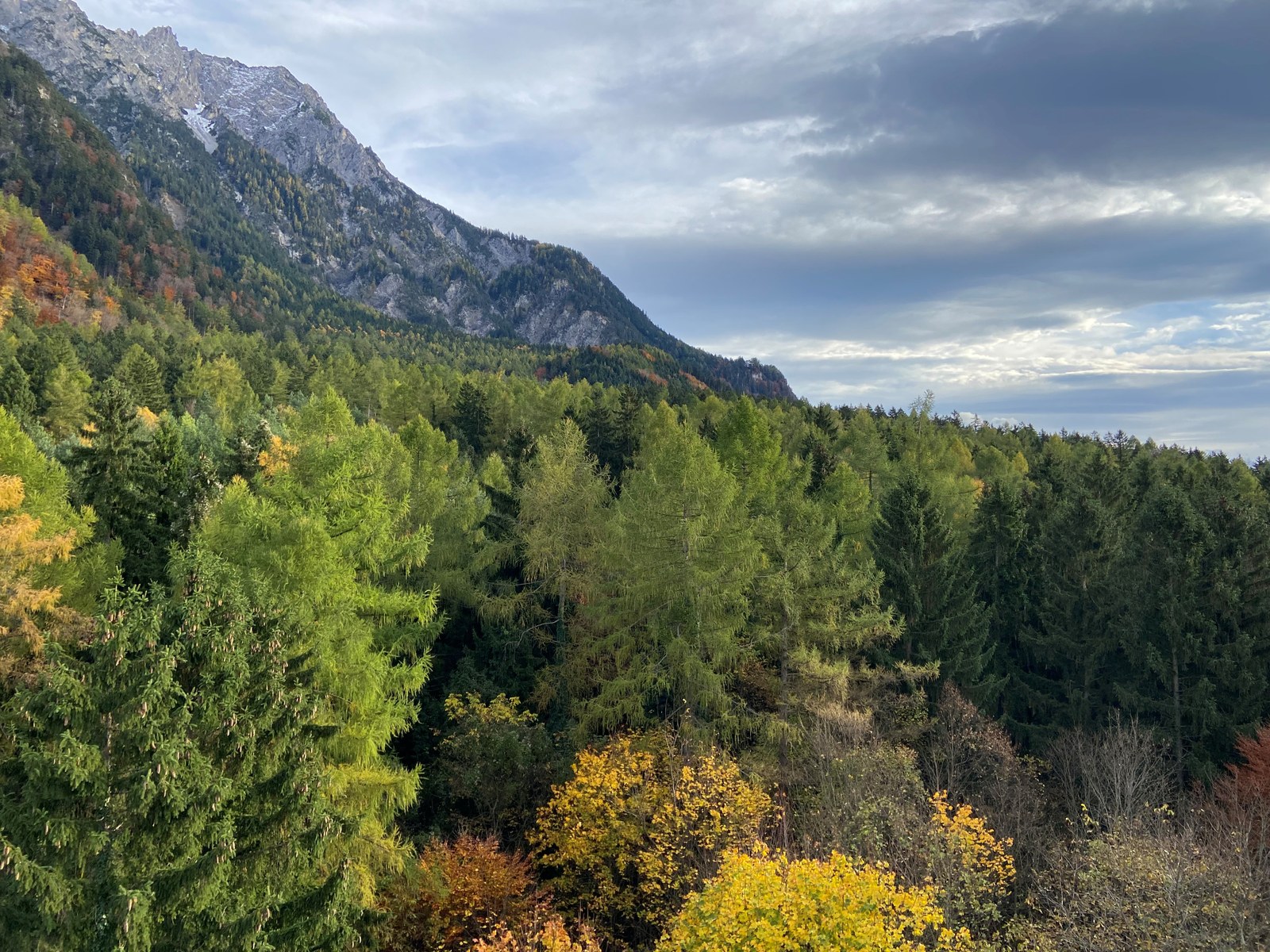
Act now to protect forests: sign the #HandsOffNature petition!
More than 40 percent of the Alpine region is covered by forests. They are not only a defining feature of the landscape, but also a cornerstone of Alpine livelihood, providing building materials, supporting biodiversity, and delivering essential ecosystem services.

Who is CIPRA?
Find out more!
More articles
alpMedia | Schaan, LI
New publication: Andes - Himalaya - Alps
The latest volume 2003/8 in the History of the Alps series by the International Society for Historical Research into the Alps (ISALP) is dedicated to urban development in the mountain regions of South America, Asia and Europe from the early Middle Ages to the present. The contributions in German, French and Italian provide new insights into the historical development of these three mountain regions. The studies on the individual regions are preceded by two abstracts of discussion papers in English.
alpMedia | Schaan, LI
No GMO-free zone in Upper Austria says EU
The EU Commission has rejected Austria's request to approve national measures for a three-year ban on genetically modified organisms. The federal province of Upper Austria was to have been declared a GMO-free zone. The government of the province of Upper Austria felt that a general ban on genetically modified seed stock was justified inasmuch as the issue of the coexistence of agricultural methods of cultivation with and without genetically modified organisms had not yet been fully resolved.
Francesco Pastorelli | CIPRA Italia | Torino, IT
Italy-Slovenia: Transport links to the East
Slovenia, which is set to join the EU very soon, is working hard to modernise its road and rail networks. Transport infrastructure was one of the main themes at a summit meeting of representatives of the Slovenian government and the new administration of Friuli-Julian Venetia/I on 2 September.
alpMedia | Schaan, LI
Biogaspark Alpe-Adria: Eco-power for households
As part of the energy project Biogaspark Alpe-Adria biogas plants are to be built and operated in the Alpe-Adria region, of which Austria, Italy and Slovenia are participating members. The plants to be constructed by mid-2006 will generate electricity and heating for around 13,500 one-family households.
Events
|
Youth Parliament to the Alpine Convention: Climate Resilient Development | ||
|
The Better-Cities Event | Ljubljana | |
|
Local Peaks, Global Learning | online | |
|
Transhumance as Intangible Cultural Heritage of Humanity: A Way Forward? | MUCEM, Marseille/France | |
|
Growing alternative crops for new market opportunities in a changing climate | Vienna/Austria |
Projects
CIPRA International
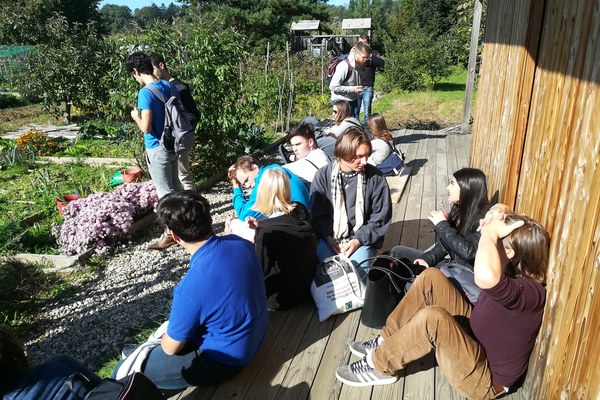
Alps2030
[Project completed] Climate change, increasing consumption of resources and waste problems threaten nature and society in the Alps. With their 17 Sustainable Development Goals (SDGs), almost all countries worldwide have set themselves the target of making global development socially, ecologically and economically sustainable by 2030.
CIPRA International | CIPRA Youth Council
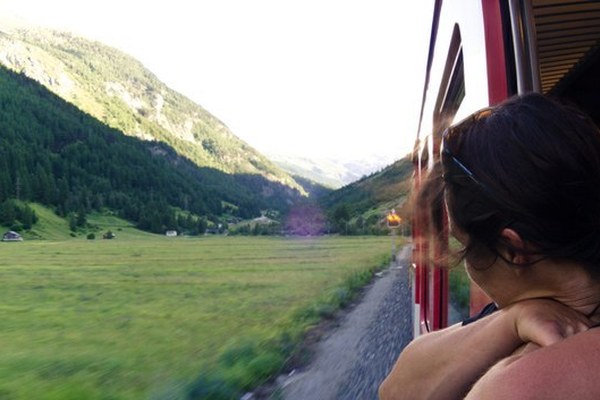
AlpTick
Having one ticket for all public transportation in the entire Alpine region – this is our vision. The Alpine Ticket (AlpTick) makes travelling in the Alps easier, more sustainable and more attractive for young people. It is an idea developed by the CIPRA Youth Council (CYC) based on its members’ experiences of travelling on public transport in the Alps.
CIPRA International | CIPRA Slovenija | CIPRA Deutschland | CIPRA Italia | CIPRA Schweiz | CIPRA France | CIPRA Youth Council
Re.sources
[Project completed] Water, soil, bees, ideas, motivation, time: the Alps contain a wide range of resources. A large part of the natural capital is under threat, while the social potential for more sustainable solutions still slumbers in many places. What are my resources and what are yours? Which ones are in danger and which ones are our lives dependent on? What resources does it take to make a change towards sustainable development in the Alps?