
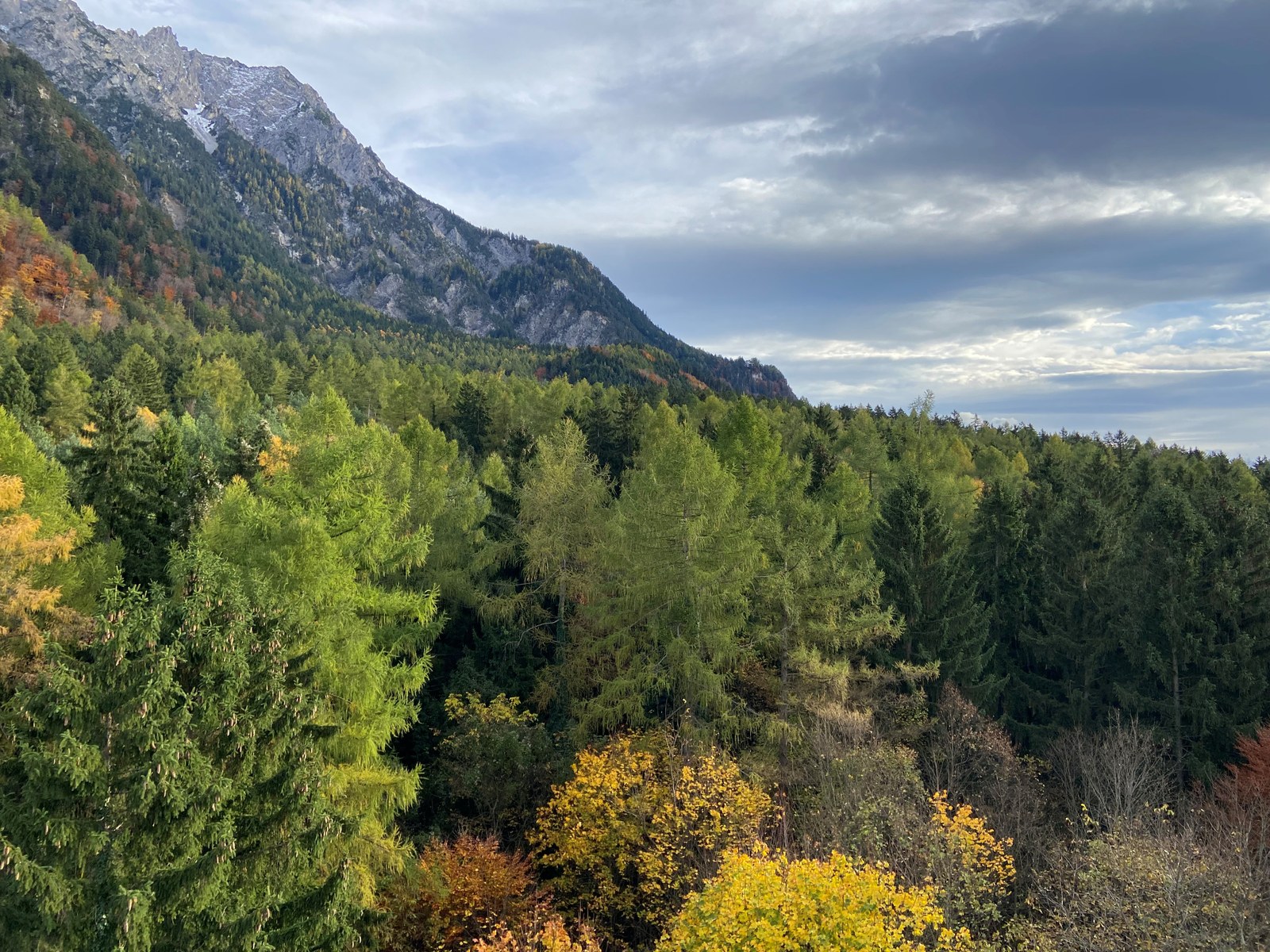
Act now to protect forests: sign the #HandsOffNature petition!
More than 40 percent of the Alpine region is covered by forests. They are not only a defining feature of the landscape, but also a cornerstone of Alpine livelihood, providing building materials, supporting biodiversity, and delivering essential ecosystem services.

Who is CIPRA?
Find out more!
More articles
Michael Gams, CIPRA International
No glacier marriage in Tyrol
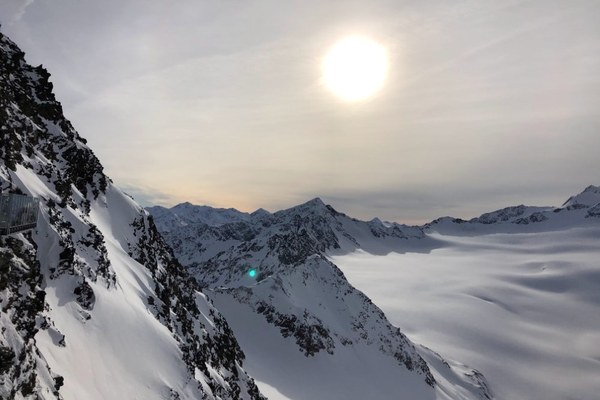
Finally it’s official: the plans for the world’s largest glacier ski area are history. In November 2022, the Tyrolean federal state government rejected the planned merger of the glacier ski areas in Austria’s Ötztal and Pitztal valleys.
Andreas Radin, CIPRA International
Mountain forests and climate change
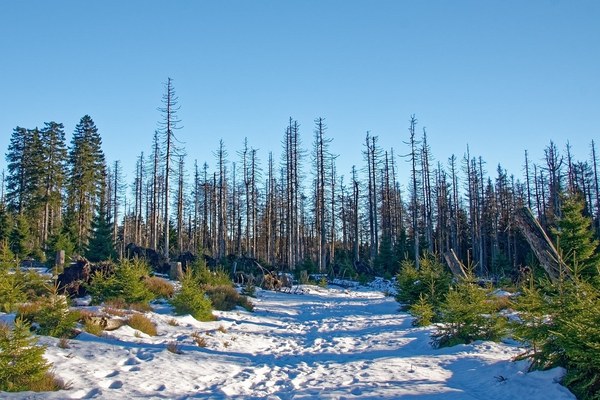
The consequences of climate change are also becoming apparent in the forests of the Alps. In South Tyrol/I and East Tyrol/A this year has seen an explosive spread of pests. What looks like frightening devastation might present a long-term opportunity, however.
Maya Mathias, CIPRA International
A stronger voice for young people
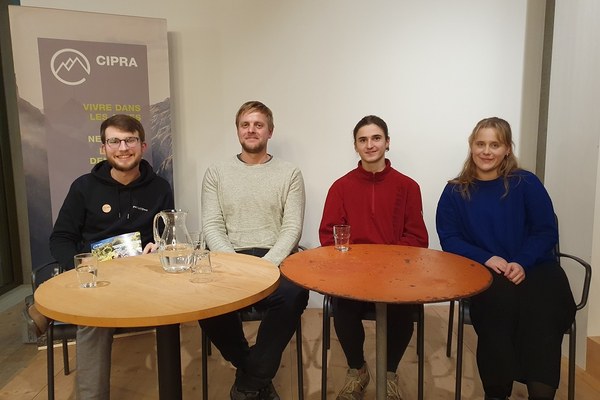
Young people want to bring about sustainable change, but politics and society are moving too slowly. At the launch of CIPRA International’s Erasmus+ project “Alpine Climate Camps”, young adults discussed their commitment to a sustainable world in Schaan/LI in January 2023.
Andreas Radin, CIPRA International
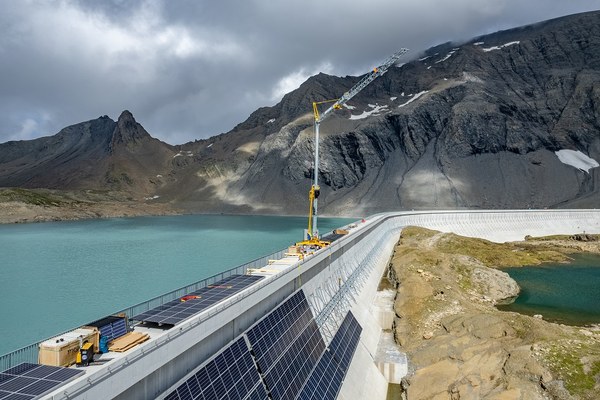
Unsuitable landscapes for energy production
The results of a recent survey from Switzerland are clear: no to energy production in almost unspoilt mountain areas. Intensively used areas around ski resorts or existing power plants would be better suited to the expansion of renewable energy.
Events
|
Symposium 2: Vernacular Buildings in the Anthropocene | Austrian Academy of Sciences, Vienna (Austria) |
Projects
CIPRA International
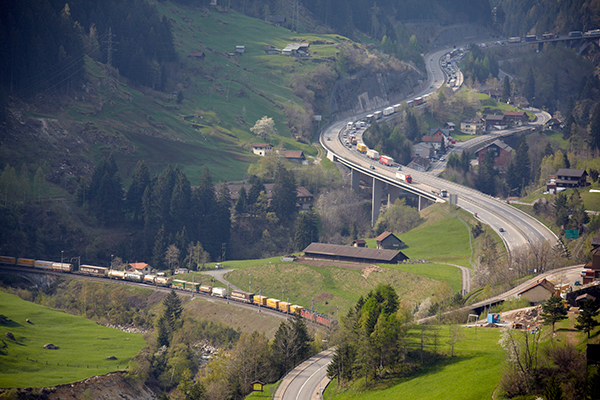
AlpInnoCT
[Project completed] The Alps are a sensitive ecosystem that has to be protected from pollutant emissions and climate change. The alpine road freight transport has enormous ecological and sociocultural effects on the alpine habitat. Most actors such as forwarders, port operators, administrations and consumers, are aware of these negative effects and they are working on their own technical or regulatory solutions. However, a constructive and participatory dialogue between all involved actors, in order to promote sustainable freight transport within the Alps, has not been established so far.
CIPRA International
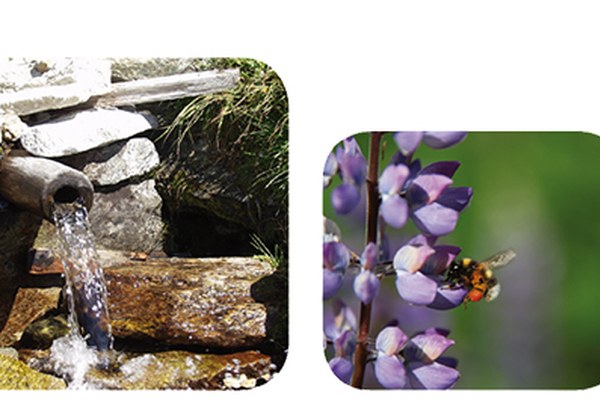
AlpES
[Project completed] Ecosystems and their services go beyond national borders and need a transnational approach for their dynamic protection, sustainable use, management and risk prevention. As a basis for joint action, public authorities, policy makers, NGOs, researchers and economic actors – the AlpES target groups – need a common understanding of ecosystem services, comparable information on their status and support in using appropriate tools for integrating them in their fields of work.
CIPRA International
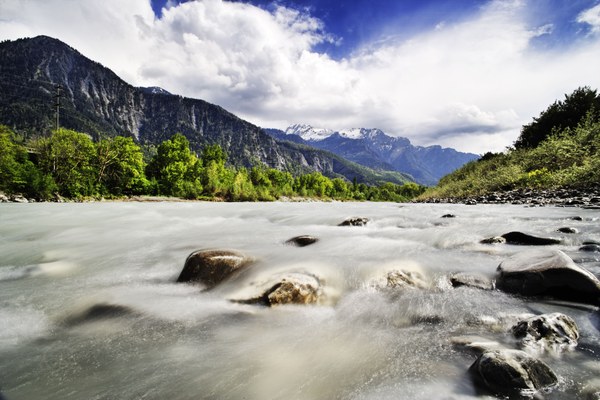
SPARE – Alpine rivers as society’s lifelines
[Project completed] What is the state of the Alpine rivers? How can we bring those responsible and other interested parties to committing themselves to holistic river management? The SPARE project strives to answer these and other questions.