
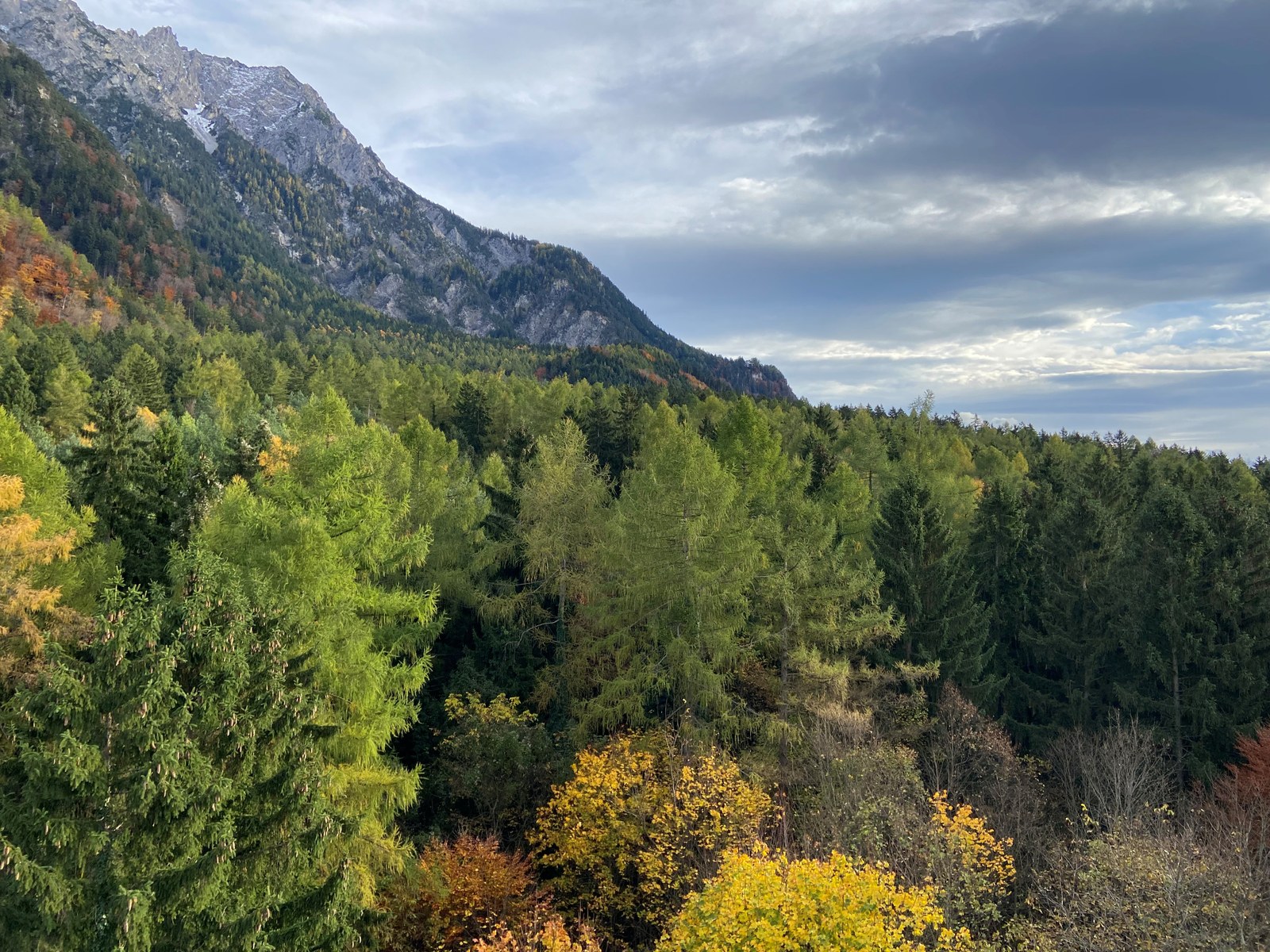
Act now to protect forests: sign the #HandsOffNature petition!
More than 40 percent of the Alpine region is covered by forests. They are not only a defining feature of the landscape, but also a cornerstone of Alpine livelihood, providing building materials, supporting biodiversity, and delivering essential ecosystem services.

Who is CIPRA?
Find out more!
More articles
Michael Gams, CIPRA International
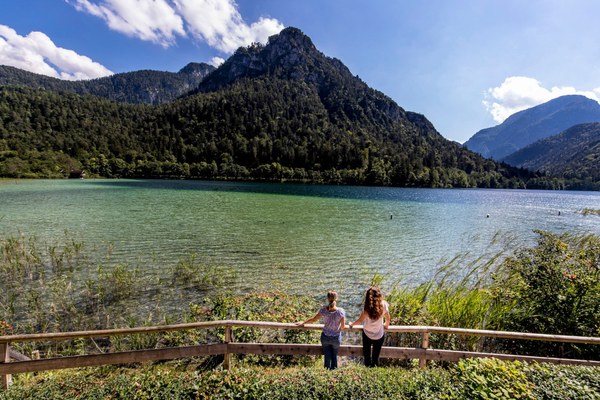
Visitor flows under control
More and more people are travelling to the mountains – and staying for shorter and shorter periods. This causes traffic and environmental problems. Pilot regions in Italy, Austria, Slovenia and Germany want to change that. With the speciAlps2 project, which is now coming to an end, they have taken the first steps to manage the flow of visitors.
Andreas Radin, CIPRA International
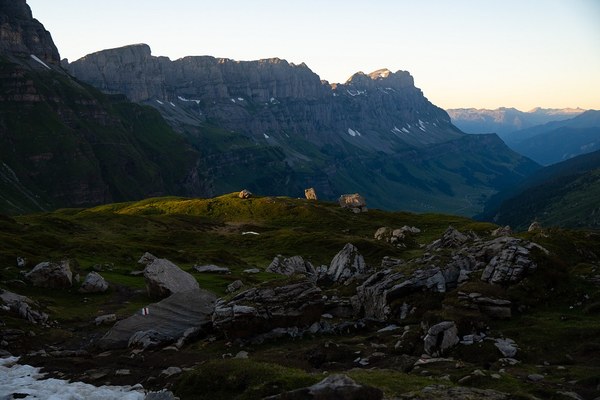
Over the Alps on foot
In the summer of 2022, nine “Via Alpina Explorers” set out to hike the new red route of the Via Alpina. Three of them walked the route from start to finish, visiting all eight Alpine countries along the way – an undertaking that took four months.

Kathrin Holstein, CYC
Point of view: We need more young people in the Alps
Ageing, emigration and dying villages are typical problems for many mountain regions. It must therefore become attractive for young people to live in the Alps again, says Kathrin Holstein, member of CIPRA’s Youth Council and staff member of the Alliance in the Alps network of municipalities.
Maya Mathias, CIPRA International
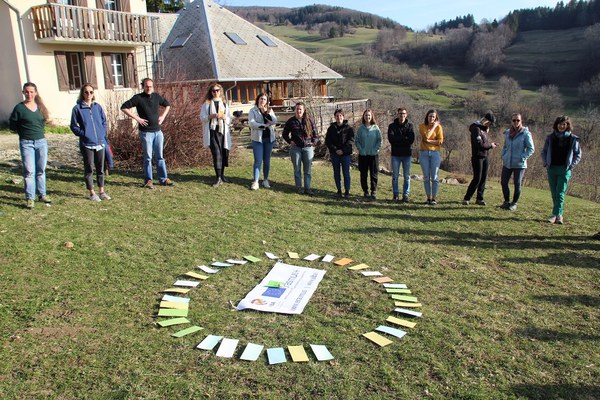
Young people in action for the Alps
Implement your own ideas locally, initiate sustainable change and discover personal resources: these are the achievements of the two Erasmus+ youth projects, Alps2030 and Re.sources, that ended in autumn 2022.
Events
|
Youth Parliament to the Alpine Convention: Climate Resilient Development | ||
|
The Better-Cities Event | Ljubljana | |
|
Local Peaks, Global Learning | online | |
|
Transhumance as Intangible Cultural Heritage of Humanity: A Way Forward? | MUCEM, Marseille/France | |
|
Growing alternative crops for new market opportunities in a changing climate | Vienna/Austria |
Projects
CIPRA International | CIPRA Deutschland | CIPRA Italia | CIPRA France
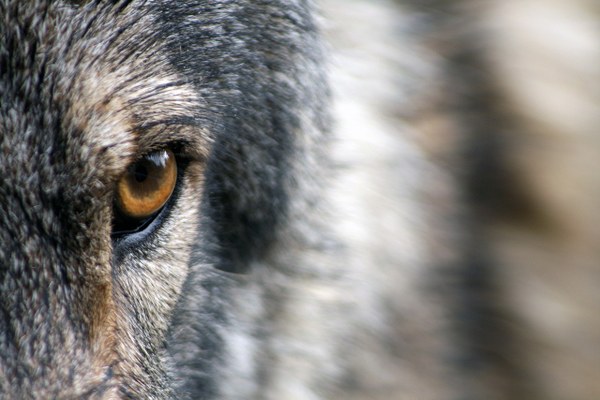
Knowledge transfer on the co-adaptation of humans and wolves in the Alpine region
[Project completed] The return of large carnivores is increasingly causing the fronts to harden between different groups of stakeholders. Among the large carnivores returning to the Alps, the wolf is the most widespread and therefore the most widely debated animal. Wolves are synanthropic animals and cross boundaries - physical as well as intangible ones – regularly. Thus, they have been accompanying and influencing social and cultural processes since time immemorial. In this project, CIPRA has taken on the task to collect, analyse, make available and disseminate knowledge about the co-adaptation of humans and wolves throughout the Alps.