
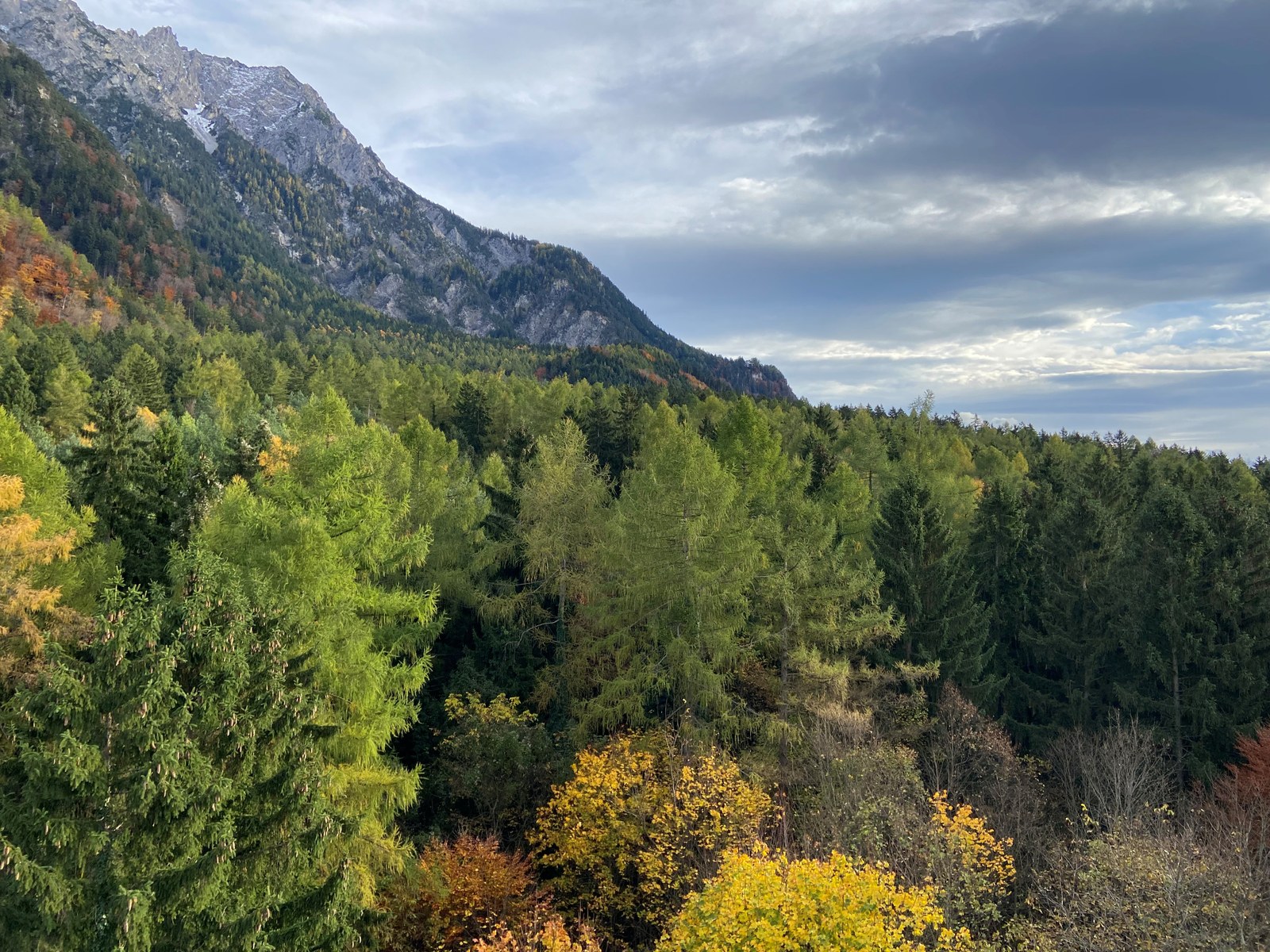
Act now to protect forests: sign the #HandsOffNature petition!
More than 40 percent of the Alpine region is covered by forests. They are not only a defining feature of the landscape, but also a cornerstone of Alpine livelihood, providing building materials, supporting biodiversity, and delivering essential ecosystem services.

Who is CIPRA?
Find out more!
More articles
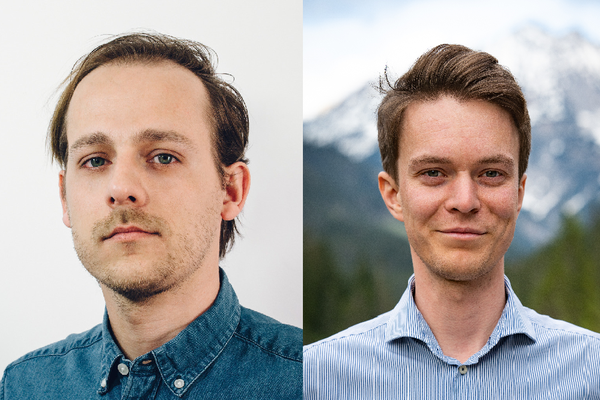
Paul Kuncio, CIPRA Austria and Uwe Roth, CIPRA Germany
Point of view: Let’s create an “Alpine Plan” for all Alpine regions!
The Bavarian Alpine Plan celebrates its 50th anniversary in 2022. Alpine spatial planning has proven here that it is predestined to find solutions to the pressing issues of the day. Similar planning instruments are lacking in many Alpine regions, although we need them more urgently than ever, claim Paul Kuncio, Executive Director of CIPRA Austria, and Uwe Roth, Executive Director of CIPRA Germany.
Michael Gams, CIPRA International
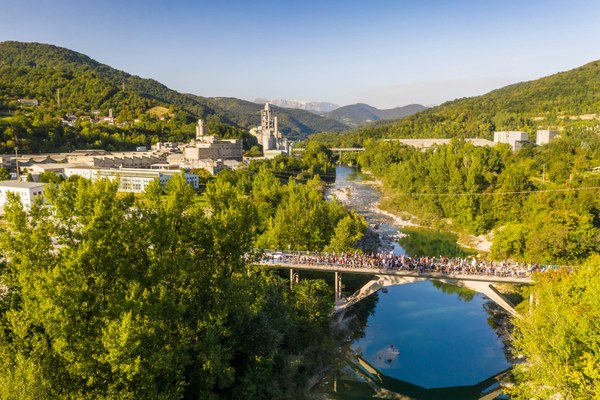
Bad atmosphere in the Soča Valley
Slovenia’s largest cement plant is located in the Soča Valley: it is facing criticism for endangering the health of the local population through air pollution. This criticism has now also been confirmed by the UN Special Rapporteur David Boyd after his visit to Slovenia in autumn 2022.
Andreas Radin, CIPRA International
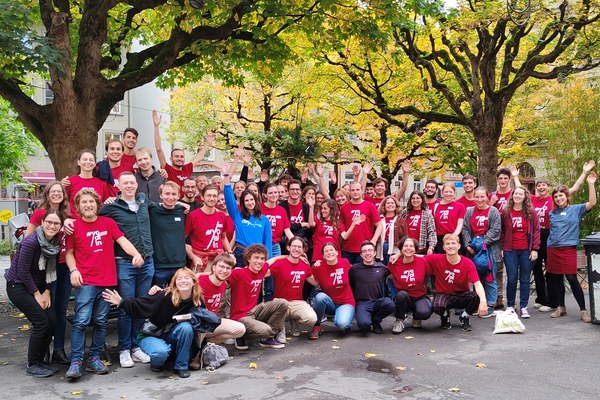
Flexible and eco-friendly through the Alps
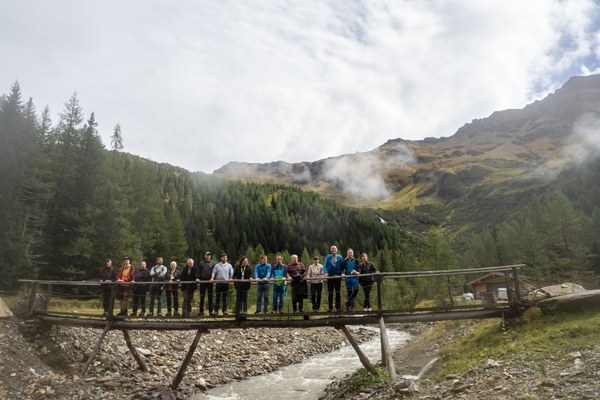
The right decision for their wallet and for the environment: 150 young participants in CIPRA’s Youth Alpine Interrail project celebrated the end of their climate-friendly journey of discovery through the Alps by train and bus in Bern at the beginning of October 2022.
Anna Fuchs, CIPRA International
Ideas for Jelovica from Pinzgau
Preserving the region’s natural and cultural heritage: this is the aim of the project on the Slovenian karst plateau of Jelovica. In mid-September 2022, the Slovenian partners of the “JeloviZA” project travelled to the Austrian Pinzgau region to gain inspiration from the Hohe Tauern National Park region.
Events
|
Youth Parliament to the Alpine Convention: Climate Resilient Development | ||
|
The Better-Cities Event | Ljubljana | |
|
Local Peaks, Global Learning | online | |
|
Transhumance as Intangible Cultural Heritage of Humanity: A Way Forward? | MUCEM, Marseille/France | |
|
Growing alternative crops for new market opportunities in a changing climate | Vienna/Austria |
Projects
CIPRA International
Living Labs
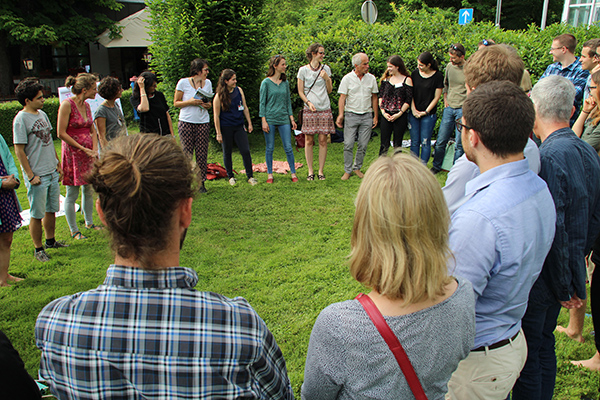
[Project completed] The project “Living Labs” brought together people of different ages from different Alpine countries to work together on process and know-how on selected topics. The project approach was participative and based on the principles of co-creation between young talents aged 18-30 years, environmental NGOs, civil society and politicians. The participants of this intergenerational project are committed to the sustainable development of the Alps at local, national and international level. For a desirable future it is important to set the right course today and to talk about how existing natural resources can be used sustainably.
CIPRA International | CIPRA Deutschland | CIPRA France | CIPRA Italia | CIPRA Slovenija
Sustainable Alpine Tourism
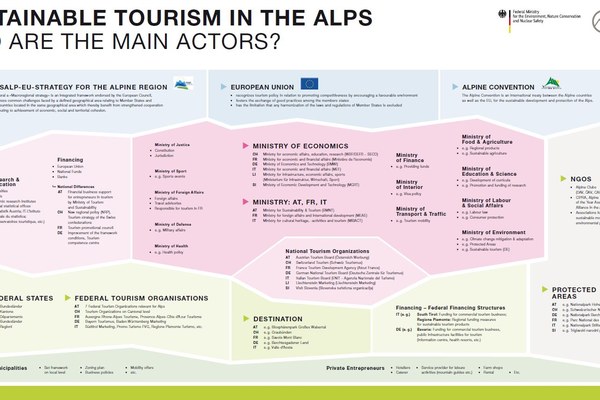
[Project completed] Sustainable tourism in the Alps is the only long-term alternative to conventional mass tourism in order to safeguard the habitat for nature and people. So far, however, there is a lack of jointly defined framework conditions on anational or alpine level for planning, promoting and implementing sustainable tourism.
CIPRA International
Cross-border mobility
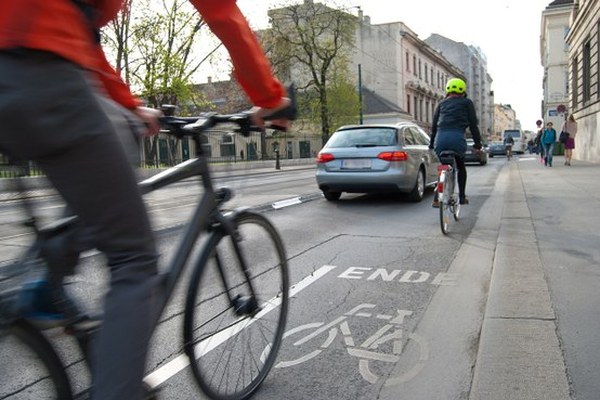
[Project completed] Tens of thousands of commuters move across national borders every day in the Alpine region. Existing traffic routes, however, were mostly built with a purely national perspective and are not geared to cross-border commuter flows. The result is overloaded roads, noise and pollution for local residents.