
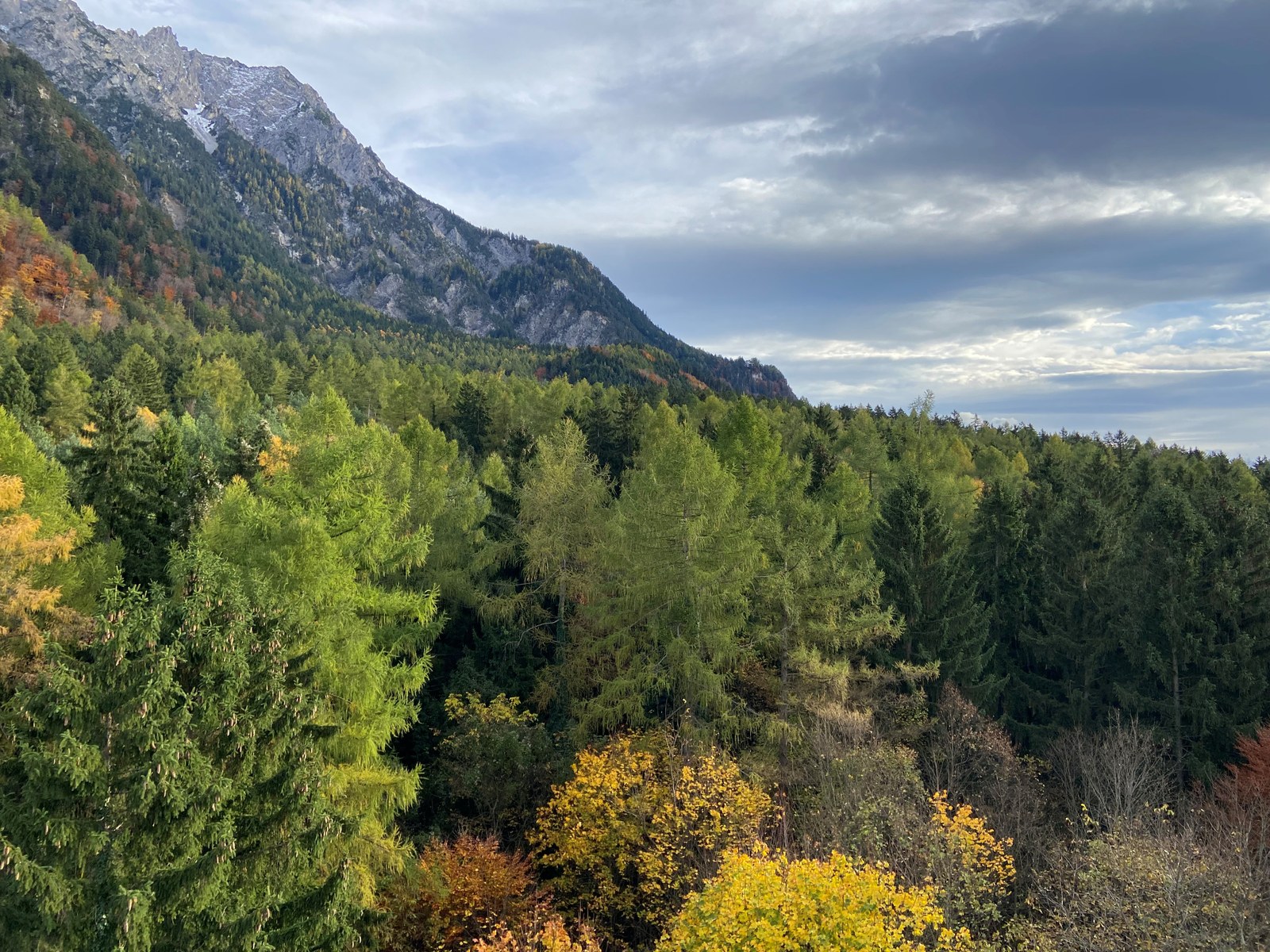
Act now to protect forests: sign the #HandsOffNature petition!
More than 40 percent of the Alpine region is covered by forests. They are not only a defining feature of the landscape, but also a cornerstone of Alpine livelihood, providing building materials, supporting biodiversity, and delivering essential ecosystem services.

Who is CIPRA?
Find out more!
More articles
Michael Gams, CIPRA International
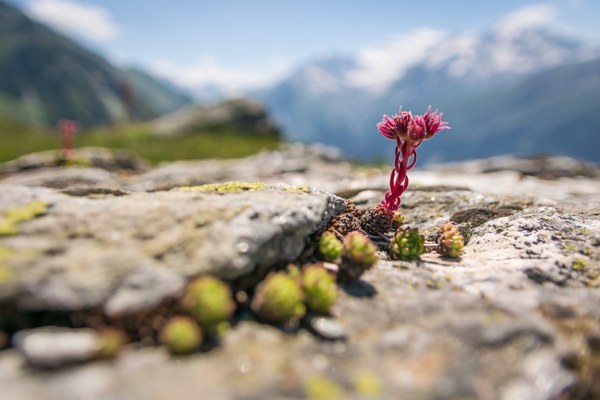
Under the magnifying glass
What treasures and resources are hidden in the Alps? How do we deal with them as sustainably as possible? These and similar questions are posed in the August 2021 issue of SzeneAlpen.
Veronika Hribernik, CIPRA International
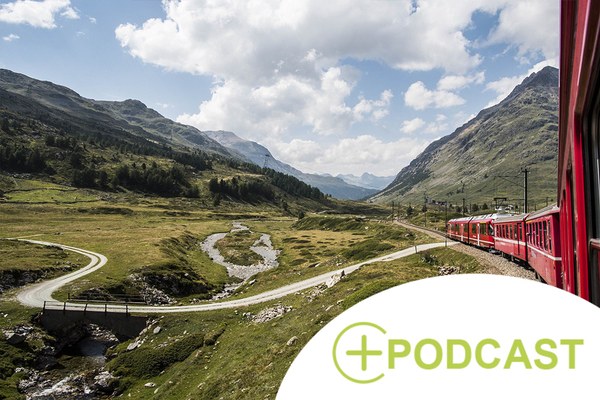
Mobile in the Alps
By rail, by road, by mountain path: numerous CIPRA projects show just how diverse sustainable mobility can be.
Michael Gams, CIPRA International
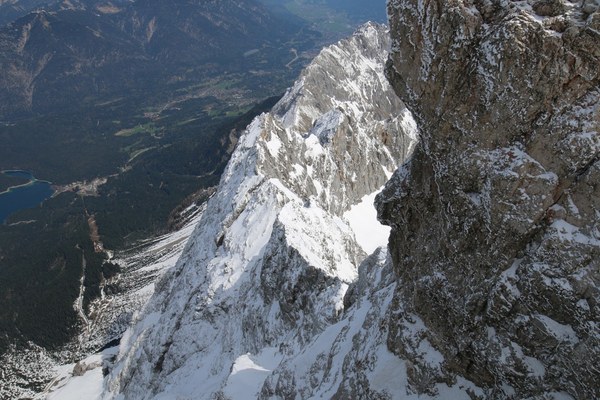
Climate crisis makes mountains crumble
Rockfalls and rockslides are nothing new in the Alps, but dwindling permafrost is making the situation even worse – for mountaineering and for villages.
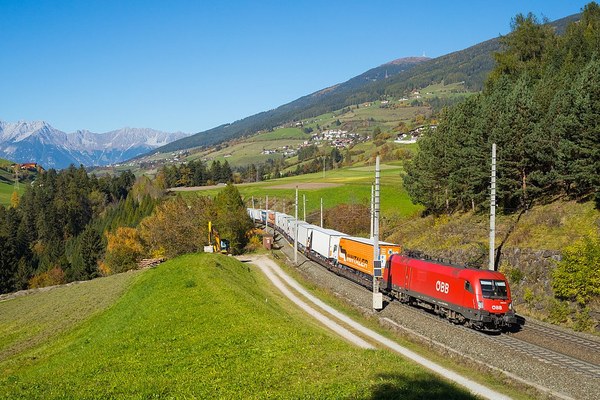
Ill-chosen incentives may fuel transit
More e-trucks instead of a shift to rail: a new EU directive could further fuel the burden of freight traffic through the Alps.
Events
|
Symposium 2: Vernacular Buildings in the Anthropocene | Austrian Academy of Sciences, Vienna (Austria) |
Projects
CIPRA International
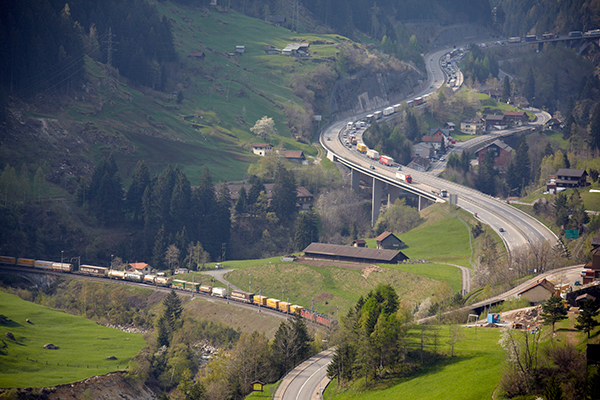
AlpInnoCT
[Project completed] The Alps are a sensitive ecosystem that has to be protected from pollutant emissions and climate change. The alpine road freight transport has enormous ecological and sociocultural effects on the alpine habitat. Most actors such as forwarders, port operators, administrations and consumers, are aware of these negative effects and they are working on their own technical or regulatory solutions. However, a constructive and participatory dialogue between all involved actors, in order to promote sustainable freight transport within the Alps, has not been established so far.
CIPRA International
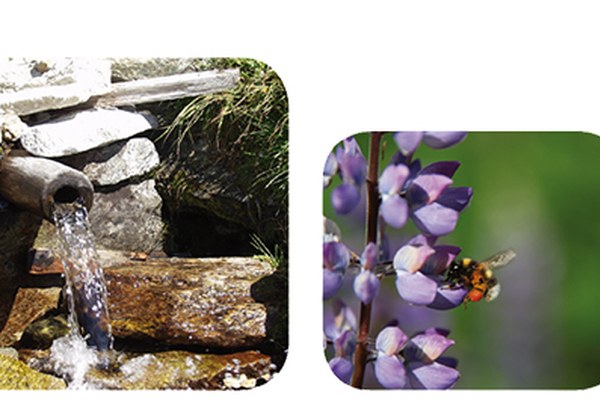
AlpES
[Project completed] Ecosystems and their services go beyond national borders and need a transnational approach for their dynamic protection, sustainable use, management and risk prevention. As a basis for joint action, public authorities, policy makers, NGOs, researchers and economic actors – the AlpES target groups – need a common understanding of ecosystem services, comparable information on their status and support in using appropriate tools for integrating them in their fields of work.
CIPRA International
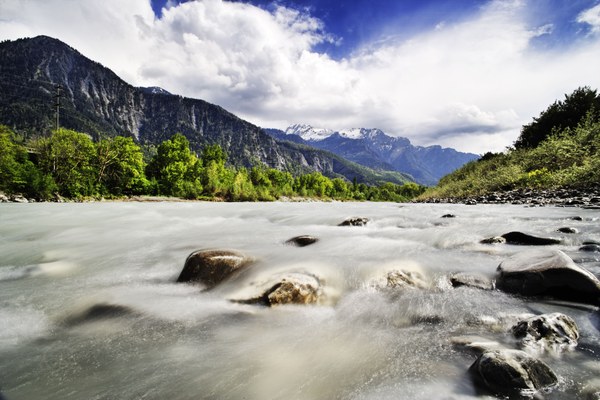
SPARE – Alpine rivers as society’s lifelines
[Project completed] What is the state of the Alpine rivers? How can we bring those responsible and other interested parties to committing themselves to holistic river management? The SPARE project strives to answer these and other questions.