
Act now to protect forests: sign the #HandsOffNature petition!
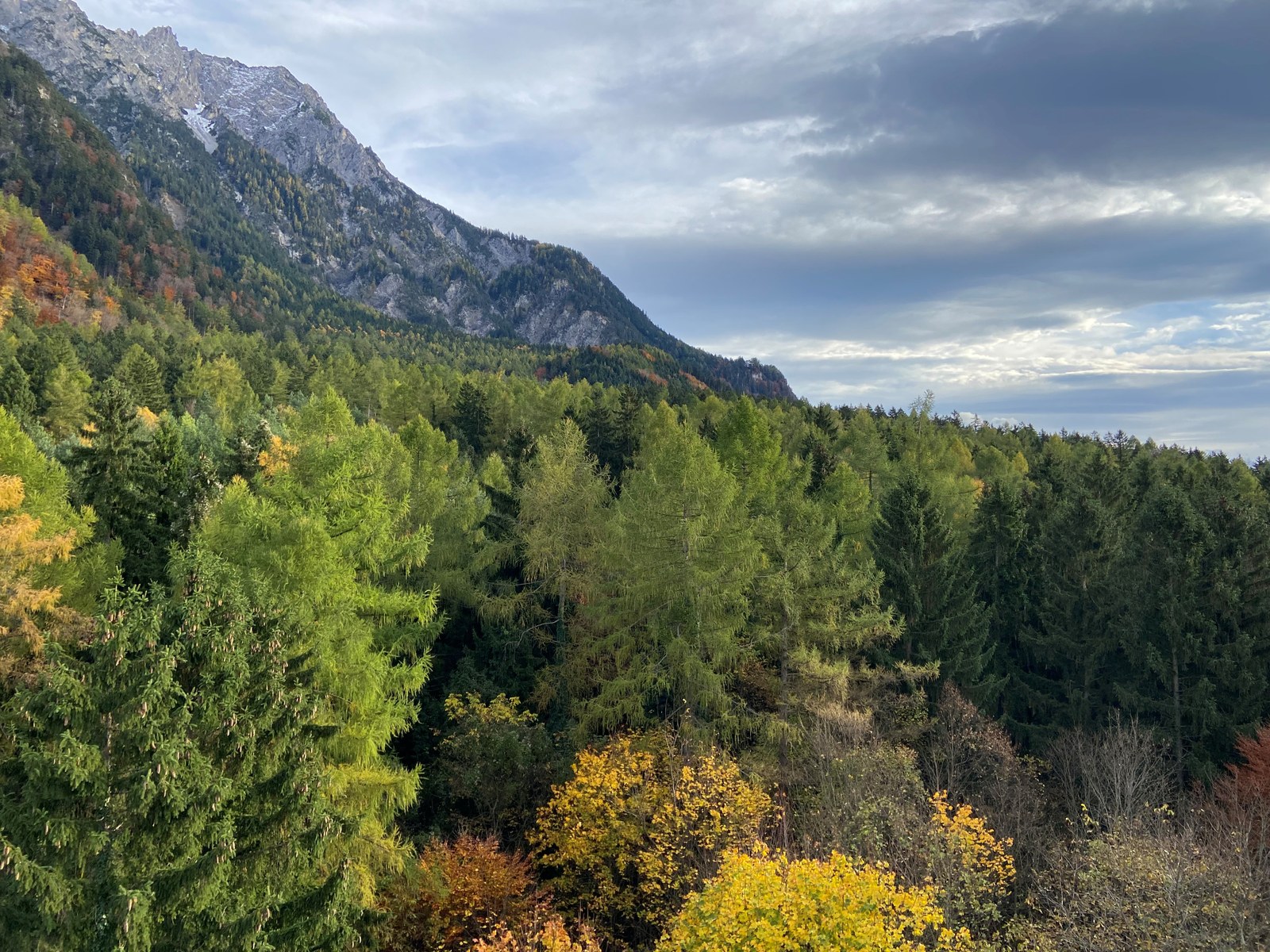
More than 40 percent of the Alpine region is covered by forests. They are not only a defining feature of the landscape, but also a cornerstone of Alpine livelihood, providing building materials, supporting biodiversity, and delivering essential ecosystem services.

Who is CIPRA?
Find out more!
More articles
alpMedia
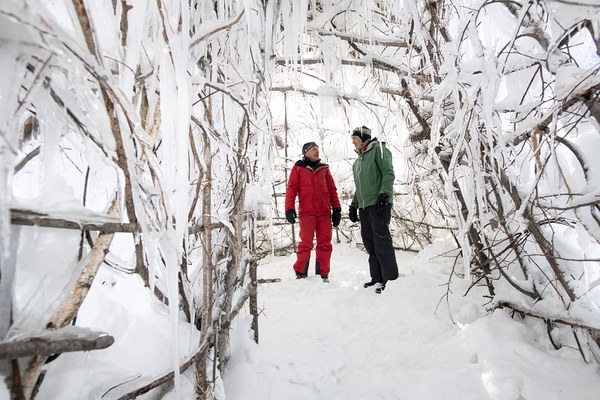
Glacier ice on a stick
Artificial ice cones and “snow ropes”: Swiss glaciologists want to save glacier ice as a water reservoir and make ski resorts more environmentally friendly. The idea comes from the Indian Himalayas.
alpMedia
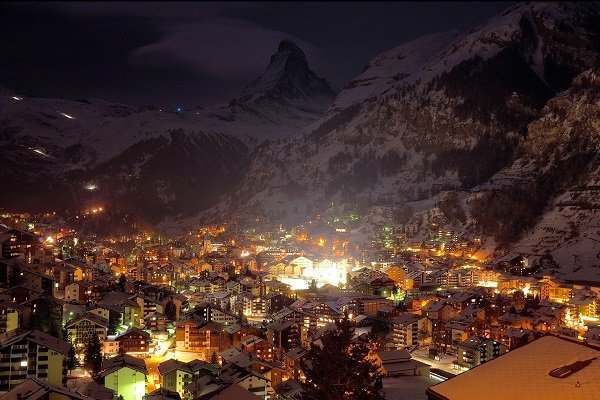
Darkness is worth protecting
Insect mortality, fewer pollinated plants, disoriented migratory birds, disturbed sleeping rhythms: the worldwide increase in light pollution has an enormous impact on flora, fauna and humans – including in the Alpine region.
alpMedia
Point of view: For a cultural change in transit traffic
Trade has been the driving force behind cultural and social development in the Alpine region. Transit traffic in its current form, on the other hand, mainly benefits regions away from the Alps. To ban noise and exhaust fumes from the Alpine valleys we need more than a watered-down EU directive, says Stephan Tischler, President of CIPRA Austria.
alpMedia
Young, mobile, sustainable
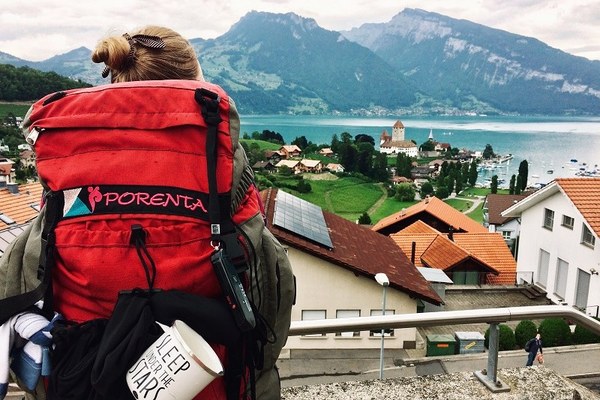
Travelling through the Alps by train in a climate-friendly way: young adults campaigned for more sustainable mobility at the online workshop “Youth Alpine Interrail” in December 2020 at the “AlpenWoche Intermezzo”. They discussed with representatives from politics how nature experiences can motivate more climate protection and which political measures are necessary.
Events
|
Symposium 2: Vernacular Buildings in the Anthropocene | Austrian Academy of Sciences, Vienna (Austria) |
Projects
CIPRA International
Living Labs
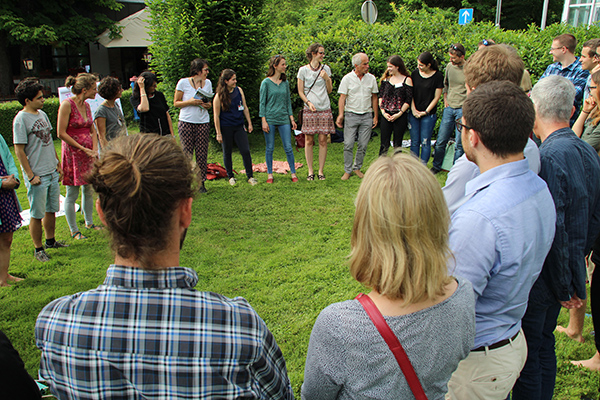
[Project completed] The project “Living Labs” brought together people of different ages from different Alpine countries to work together on process and know-how on selected topics. The project approach was participative and based on the principles of co-creation between young talents aged 18-30 years, environmental NGOs, civil society and politicians. The participants of this intergenerational project are committed to the sustainable development of the Alps at local, national and international level. For a desirable future it is important to set the right course today and to talk about how existing natural resources can be used sustainably.
CIPRA International | CIPRA Deutschland | CIPRA France | CIPRA Italia | CIPRA Slovenija
Sustainable Alpine Tourism
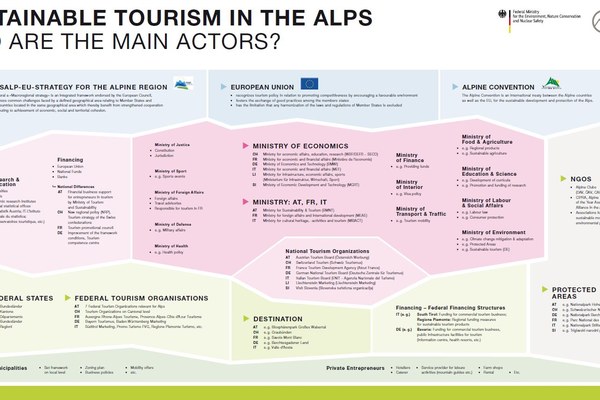
[Project completed] Sustainable tourism in the Alps is the only long-term alternative to conventional mass tourism in order to safeguard the habitat for nature and people. So far, however, there is a lack of jointly defined framework conditions on anational or alpine level for planning, promoting and implementing sustainable tourism.
CIPRA International
Cross-border mobility
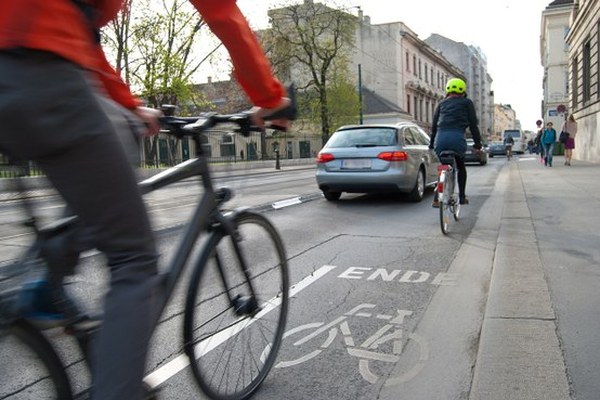
[Project completed] Tens of thousands of commuters move across national borders every day in the Alpine region. Existing traffic routes, however, were mostly built with a purely national perspective and are not geared to cross-border commuter flows. The result is overloaded roads, noise and pollution for local residents.