
Act now to protect forests: sign the #HandsOffNature petition!
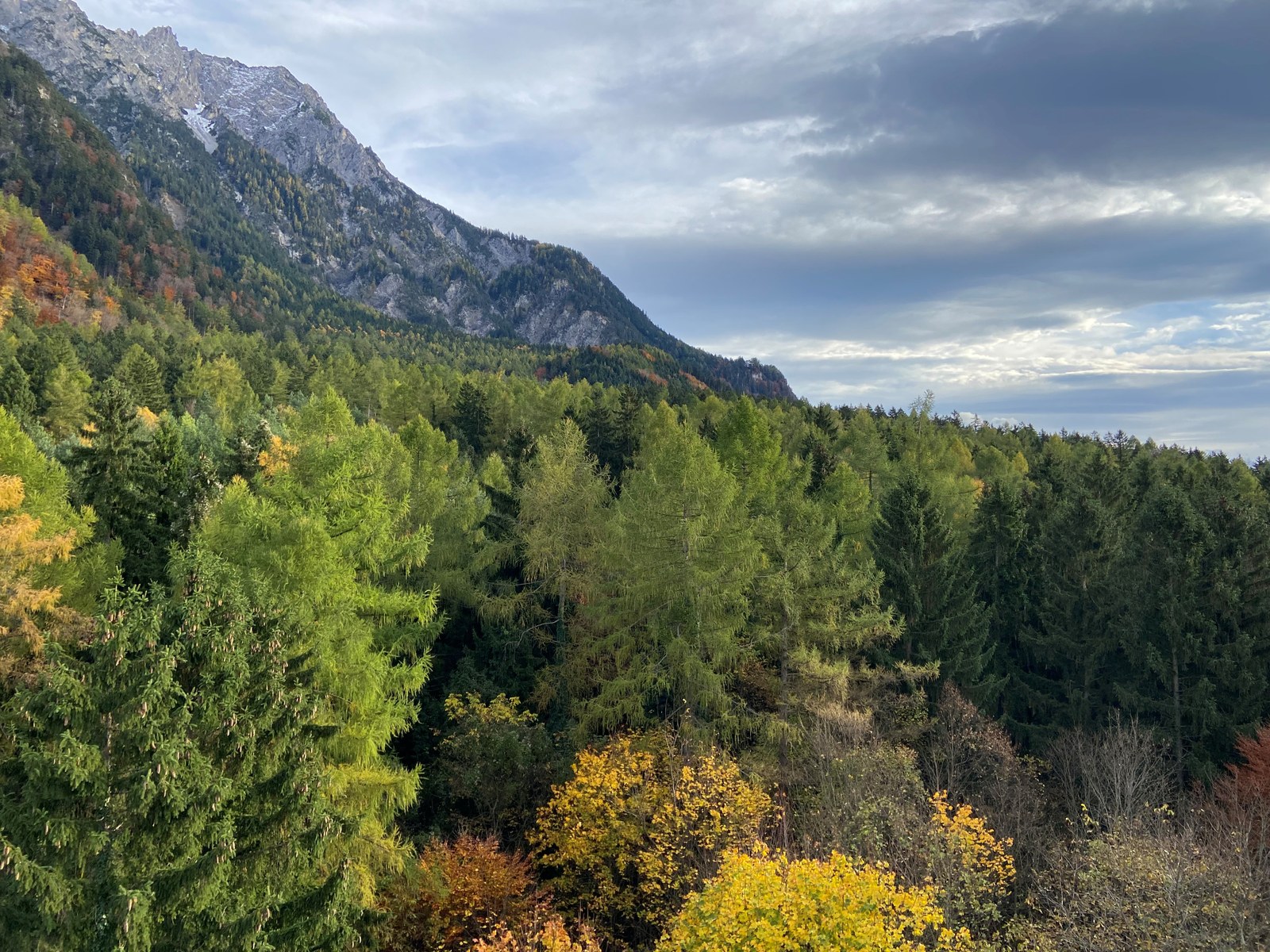
More than 40 percent of the Alpine region is covered by forests. They are not only a defining feature of the landscape, but also a cornerstone of Alpine livelihood, providing building materials, supporting biodiversity, and delivering essential ecosystem services.

Who is CIPRA?
Find out more!
More articles
alpMedia
Glacier ice on a stick
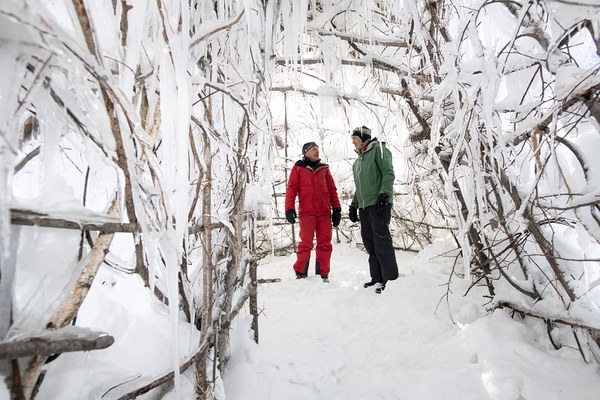
Artificial ice cones and “snow ropes”: Swiss glaciologists want to save glacier ice as a water reservoir and make ski resorts more environmentally friendly. The idea comes from the Indian Himalayas.
alpMedia
Darkness is worth protecting
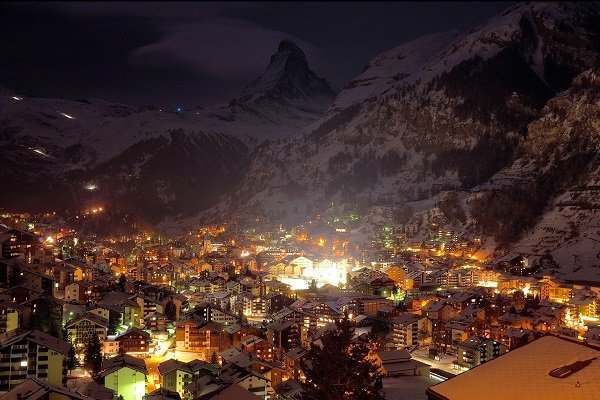
Insect mortality, fewer pollinated plants, disoriented migratory birds, disturbed sleeping rhythms: the worldwide increase in light pollution has an enormous impact on flora, fauna and humans – including in the Alpine region.

alpMedia
Point of view: For a cultural change in transit traffic
Trade has been the driving force behind cultural and social development in the Alpine region. Transit traffic in its current form, on the other hand, mainly benefits regions away from the Alps. To ban noise and exhaust fumes from the Alpine valleys we need more than a watered-down EU directive, says Stephan Tischler, President of CIPRA Austria.
alpMedia
Young, mobile, sustainable
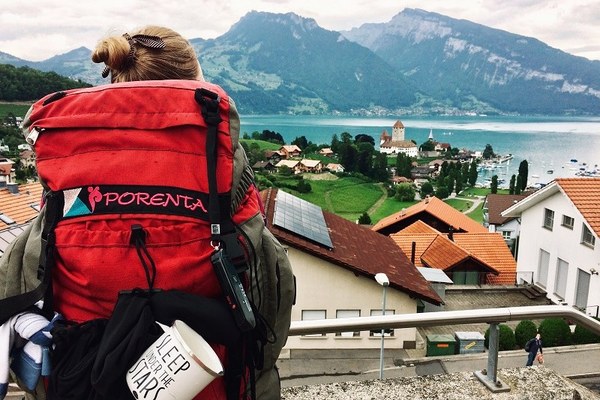
Travelling through the Alps by train in a climate-friendly way: young adults campaigned for more sustainable mobility at the online workshop “Youth Alpine Interrail” in December 2020 at the “AlpenWoche Intermezzo”. They discussed with representatives from politics how nature experiences can motivate more climate protection and which political measures are necessary.
Events
|
Youth Parliament to the Alpine Convention: Climate Resilient Development | ||
|
The Better-Cities Event | Ljubljana | |
|
Local Peaks, Global Learning | online | |
|
Transhumance as Intangible Cultural Heritage of Humanity: A Way Forward? | MUCEM, Marseille/France | |
|
Growing alternative crops for new market opportunities in a changing climate | Vienna/Austria |
Projects
CIPRA International | CIPRA Deutschland | CIPRA Italia | CIPRA France
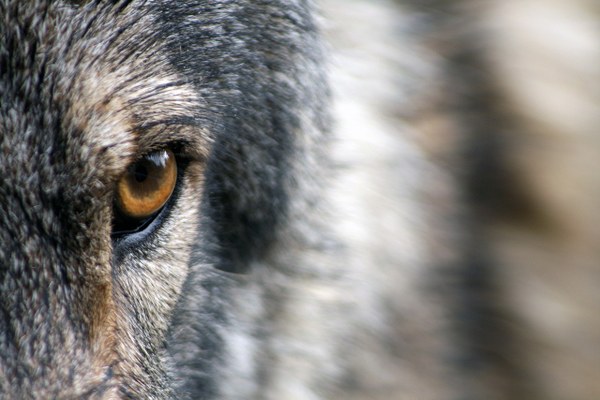
Knowledge transfer on the co-adaptation of humans and wolves in the Alpine region
[Project completed] The return of large carnivores is increasingly causing the fronts to harden between different groups of stakeholders. Among the large carnivores returning to the Alps, the wolf is the most widespread and therefore the most widely debated animal. Wolves are synanthropic animals and cross boundaries - physical as well as intangible ones – regularly. Thus, they have been accompanying and influencing social and cultural processes since time immemorial. In this project, CIPRA has taken on the task to collect, analyse, make available and disseminate knowledge about the co-adaptation of humans and wolves throughout the Alps.