
Act now to protect forests: sign the #HandsOffNature petition!
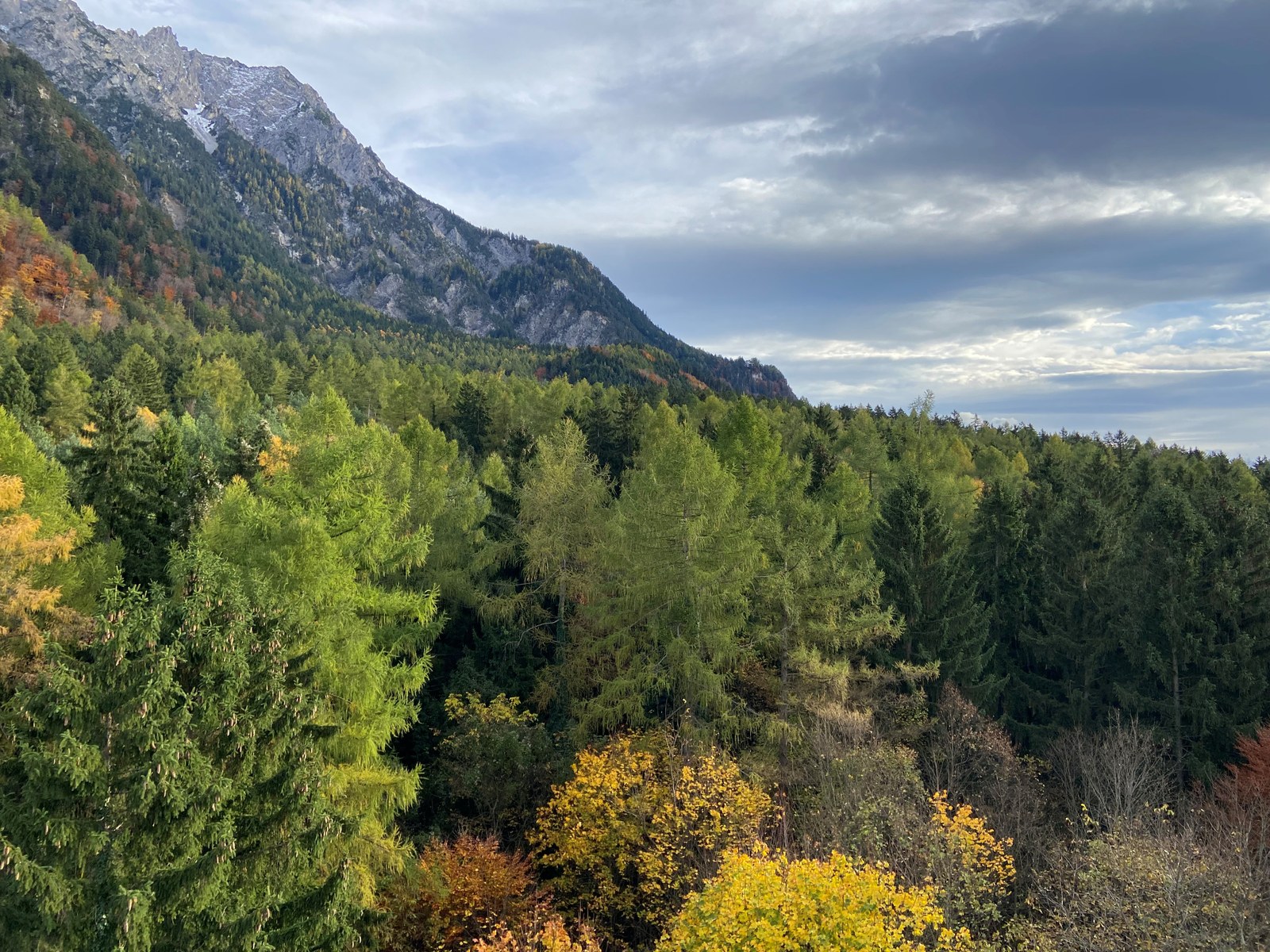
More than 40 percent of the Alpine region is covered by forests. They are not only a defining feature of the landscape, but also a cornerstone of Alpine livelihood, providing building materials, supporting biodiversity, and delivering essential ecosystem services.

Who is CIPRA?
Find out more!
More articles
alpMedia
Hut transport: mules as an alternative
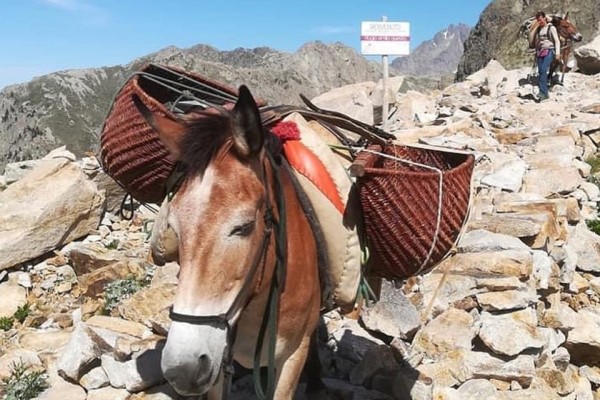
For centuries, mules and horses have transported goods in mountainous regions. What used to be the only means of transport has nowadays mostly been replaced by helicopter. A nature park in Piedmont, Italy, is now organising the delivery of goods to mountain huts by mule, while environmentally friendly alternatives to helicopters are also being tested elsewhere.
alpMedia
Quality from the mountains
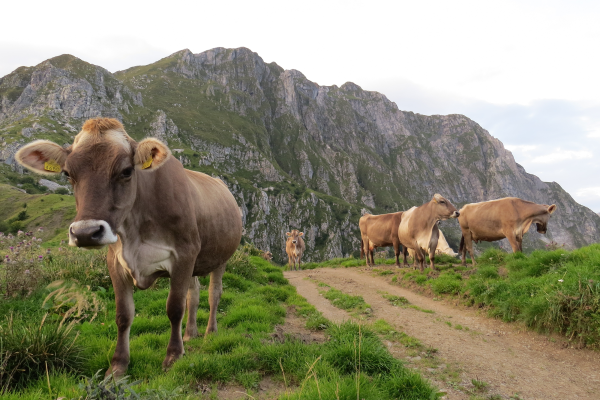
Cheese, meat and honey – these and other products from the mountains must meet certain EU requirements to be allowed to bear the “mountain product” quality label, introduced by the EU in 2014. A recent study shows whether and how this term has become established.
alpMedia
Living mountain forests
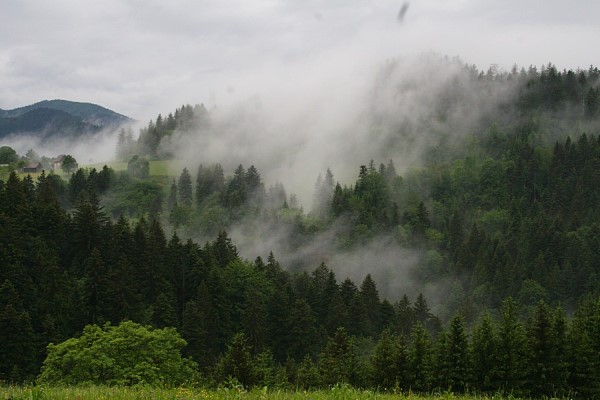
Climate protector and habitat, recreational area and timber supplier: forests have many functions, both in the natural ecosystem and for humans. CIPRA Slovenia's “GozdNega / Forest Care” project aims to convince forest owners of the benefits of climate-friendly management.
alpMedia
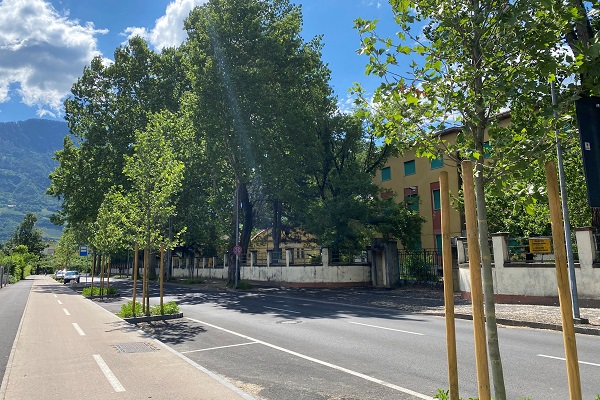
Climate change: Merano’s strategy for a better quality of life
Trees instead of parking spaces and support for the population during hot spells – with a total of 19 measures like these, the city of Merano/I is countering the effects of climate change. Experts, interest groups and young people have worked together to develop the strategy.
Events
|
Youth Parliament to the Alpine Convention: Climate Resilient Development | ||
|
The Better-Cities Event | Ljubljana | |
|
Local Peaks, Global Learning | online | |
|
Transhumance as Intangible Cultural Heritage of Humanity: A Way Forward? | MUCEM, Marseille/France | |
|
Growing alternative crops for new market opportunities in a changing climate | Vienna/Austria |
Projects
CIPRA International | CIPRA Deutschland | CIPRA Italia | CIPRA France
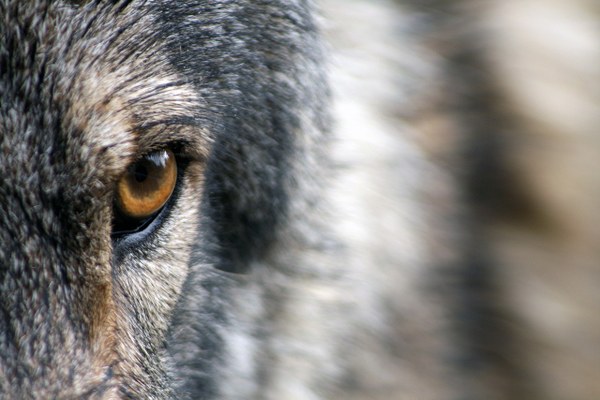
Knowledge transfer on the co-adaptation of humans and wolves in the Alpine region
[Project completed] The return of large carnivores is increasingly causing the fronts to harden between different groups of stakeholders. Among the large carnivores returning to the Alps, the wolf is the most widespread and therefore the most widely debated animal. Wolves are synanthropic animals and cross boundaries - physical as well as intangible ones – regularly. Thus, they have been accompanying and influencing social and cultural processes since time immemorial. In this project, CIPRA has taken on the task to collect, analyse, make available and disseminate knowledge about the co-adaptation of humans and wolves throughout the Alps.