
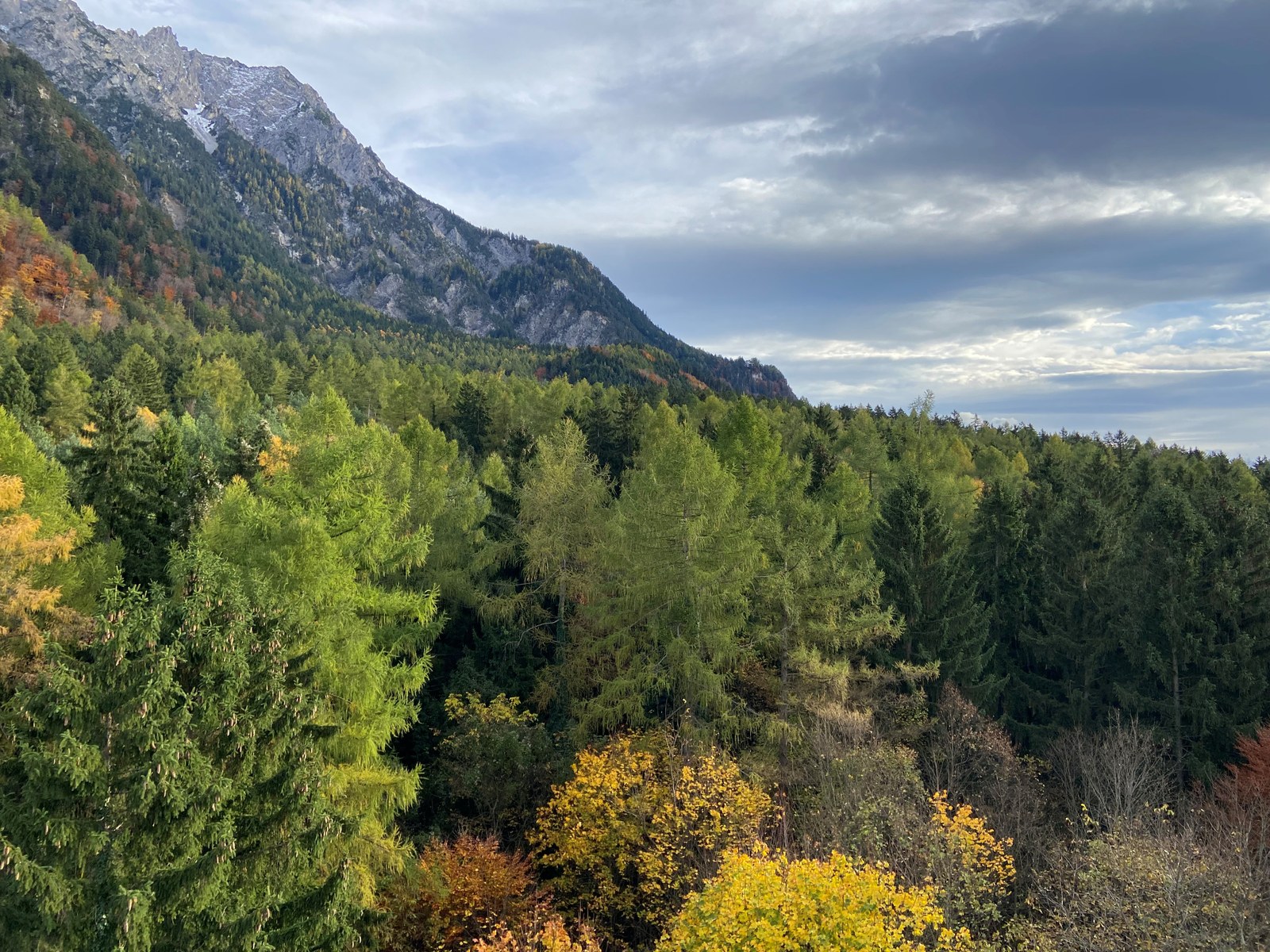
Act now to protect forests: sign the #HandsOffNature petition!
More than 40 percent of the Alpine region is covered by forests. They are not only a defining feature of the landscape, but also a cornerstone of Alpine livelihood, providing building materials, supporting biodiversity, and delivering essential ecosystem services.

Who is CIPRA?
Find out more!
More articles
alpMedia
Point of view: A building plan for a resilient society
The corona crisis has broken our lives into pieces: relationships, working models, leisure and consumerism are loose building blocks. It is still unclear how we will reassemble them. We now have the chance to draw up a new building plan that is fit for the future, says Barbara Wülser, Co-Executive Director of CIPRA International.
alpMedia
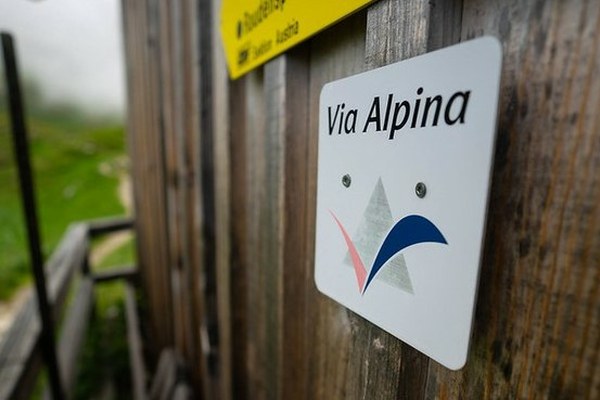
Via Alpina: 20 years of long-distance hiking
For 20 years, the cross-border long-distance hiking trail known as the “Via Alpina” has connected all eight Alpine countries from Trieste to Monaco. It connects people, living spaces and natural areas along five routes, not only physically but also symbolically.
alpMedia
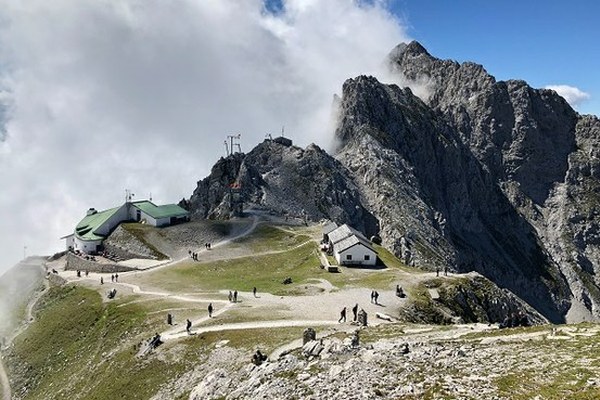
The landscape that moves CIPRA
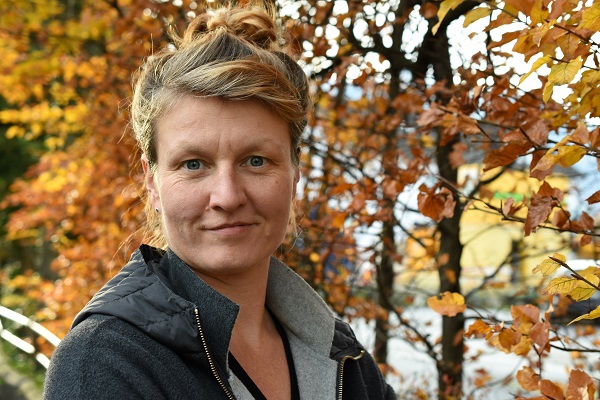
From a Slovenian mountain pass, via a dying glacier in Switzerland, to a French shepherd's path: in its Annual Report 2019 CIPRA International shows how landscapes and their stories move people.
alpMedia
Point of view: Water needs no borders – do we?
So far, sufficient water is available in the Alpine regions. If there is to be enough for everyone in the future, despite climate change, water must be treated as a common Alpine resource across national borders, says Marion Ebster, Project Manager at CIPRA International.
Events
|
Symposium 2: Vernacular Buildings in the Anthropocene | Austrian Academy of Sciences, Vienna (Austria) |
Projects
CIPRA International | CIPRA Deutschland | CIPRA Italia | CIPRA France
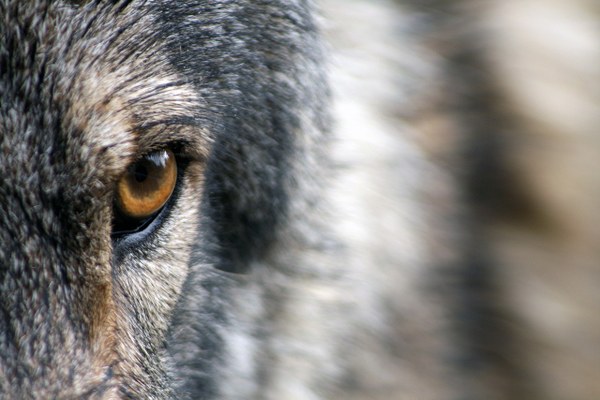
Knowledge transfer on the co-adaptation of humans and wolves in the Alpine region
[Project completed] The return of large carnivores is increasingly causing the fronts to harden between different groups of stakeholders. Among the large carnivores returning to the Alps, the wolf is the most widespread and therefore the most widely debated animal. Wolves are synanthropic animals and cross boundaries - physical as well as intangible ones – regularly. Thus, they have been accompanying and influencing social and cultural processes since time immemorial. In this project, CIPRA has taken on the task to collect, analyse, make available and disseminate knowledge about the co-adaptation of humans and wolves throughout the Alps.