
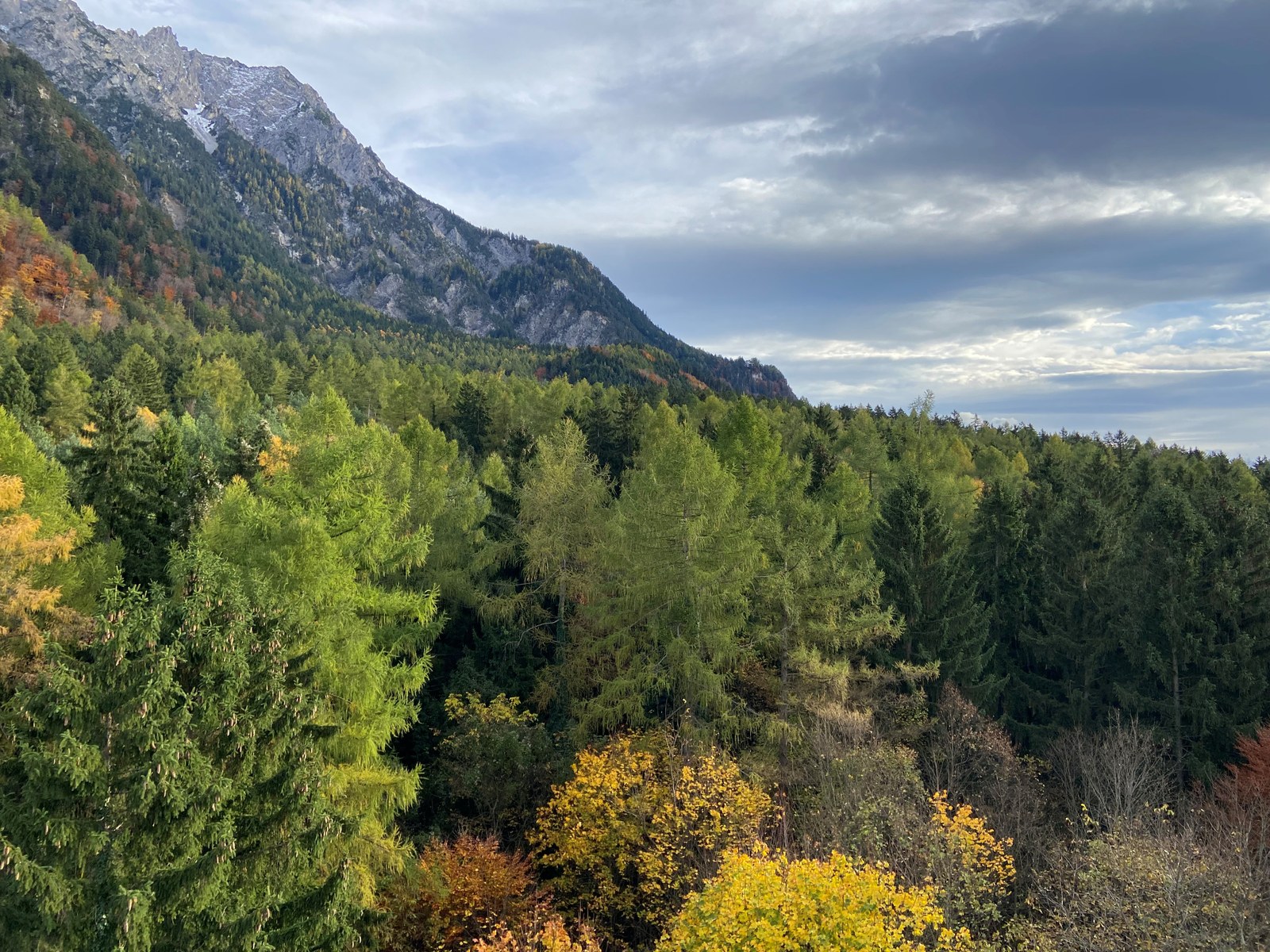
Act now to protect forests: sign the #HandsOffNature petition!
More than 40 percent of the Alpine region is covered by forests. They are not only a defining feature of the landscape, but also a cornerstone of Alpine livelihood, providing building materials, supporting biodiversity, and delivering essential ecosystem services.

Who is CIPRA?
Find out more!
More articles
alpMedia
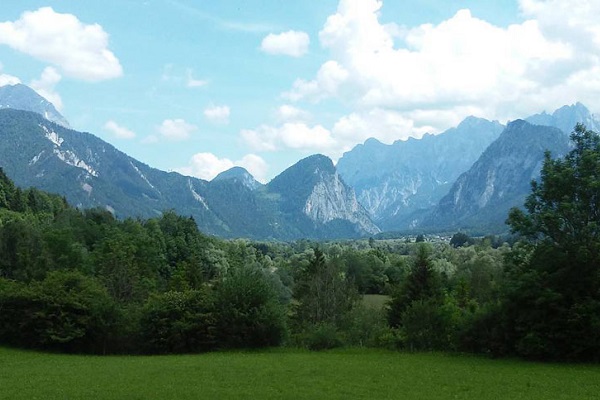
How diversity is lost
Intensive agriculture and climate change: a recent study from Austria shows how much influence both have on the loss of biodiversity in Alpine regions.
Strange but true...
alpMedia
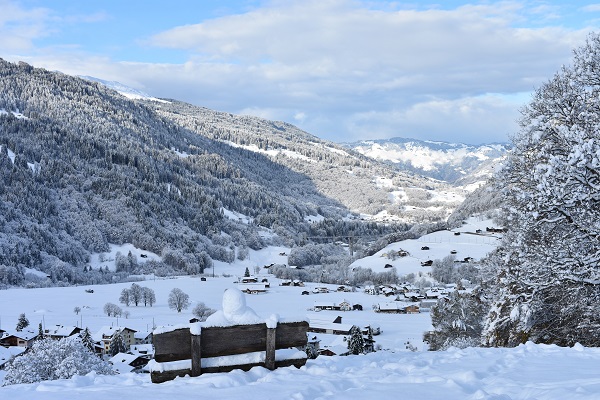
Sabbatical in the Alps
Take a longer break and give something back: The "Alpine Sabbatical" in Switzerland offers a meaningful alternative way of spending your free time.
alpMedia
Wanted: pioneering renovations and new buildings
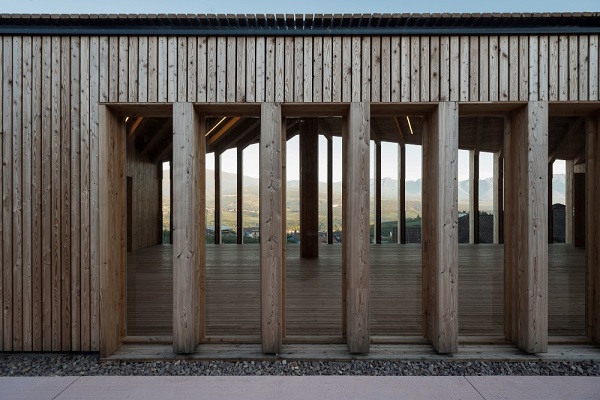
The fifth edition of the international architecture prize, "Constructive Alps", has been launched. Renovations and new buildings that set an example for sustainable construction in the Alps can be submitted until 14 March 2020.
Events
|
Symposium 2: Vernacular Buildings in the Anthropocene | Austrian Academy of Sciences, Vienna (Austria) |
Projects
CIPRA International | CIPRA Slovenija
Trata 2.1
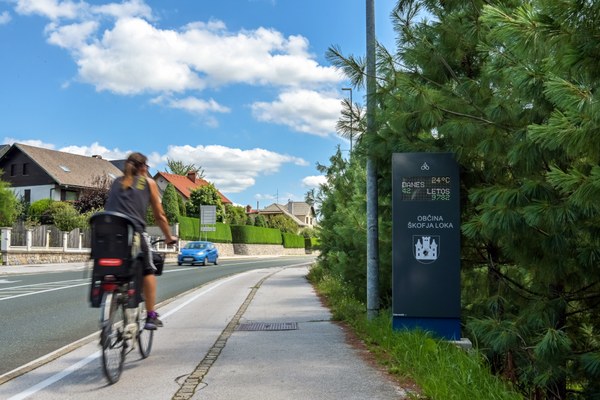
[Project completed] Commuting made easy: The mobility of commuters in the Slovenian industrial area of Trata is to become more environmentally friendly - with the help of experiences from similar projects in the border triangle of Switzerland-Austria-Liechtenstein.
CIPRA International
Dialogues on wolves – strengthening shepherds’ networks in the Alps
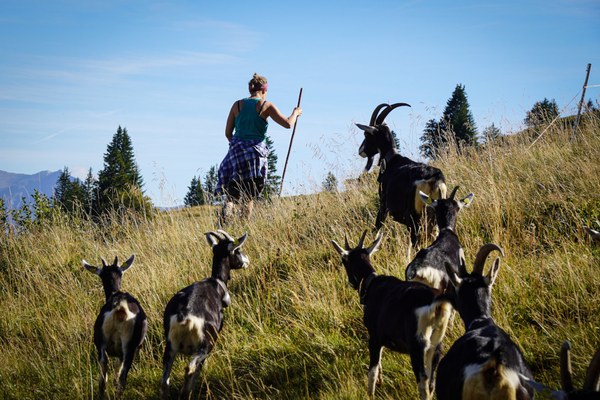
[Completed] A project that promotes exchanges of knowledge across national and linguistic borders between shepherds in the Alpine region.
CIPRA International
Alpine Changemaker Network (2021-2023)
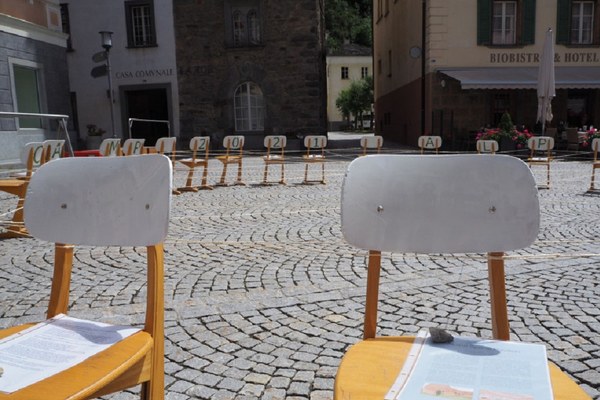
[Project completed] The «Alpine Changemaker Network» is an international team drawn from NGOs, academia, social innovation and regional development organisations. We wish to strengthen Alpine society and we envision the Alps as a thriving ecosystem, one that offers an appealing life both to ourselves and to future generations. We combine regionally developed knowledge, social innovation practices, scientific teaching and researching skills, project management skills and much more besides – and we want to collaborate, share and learn!