
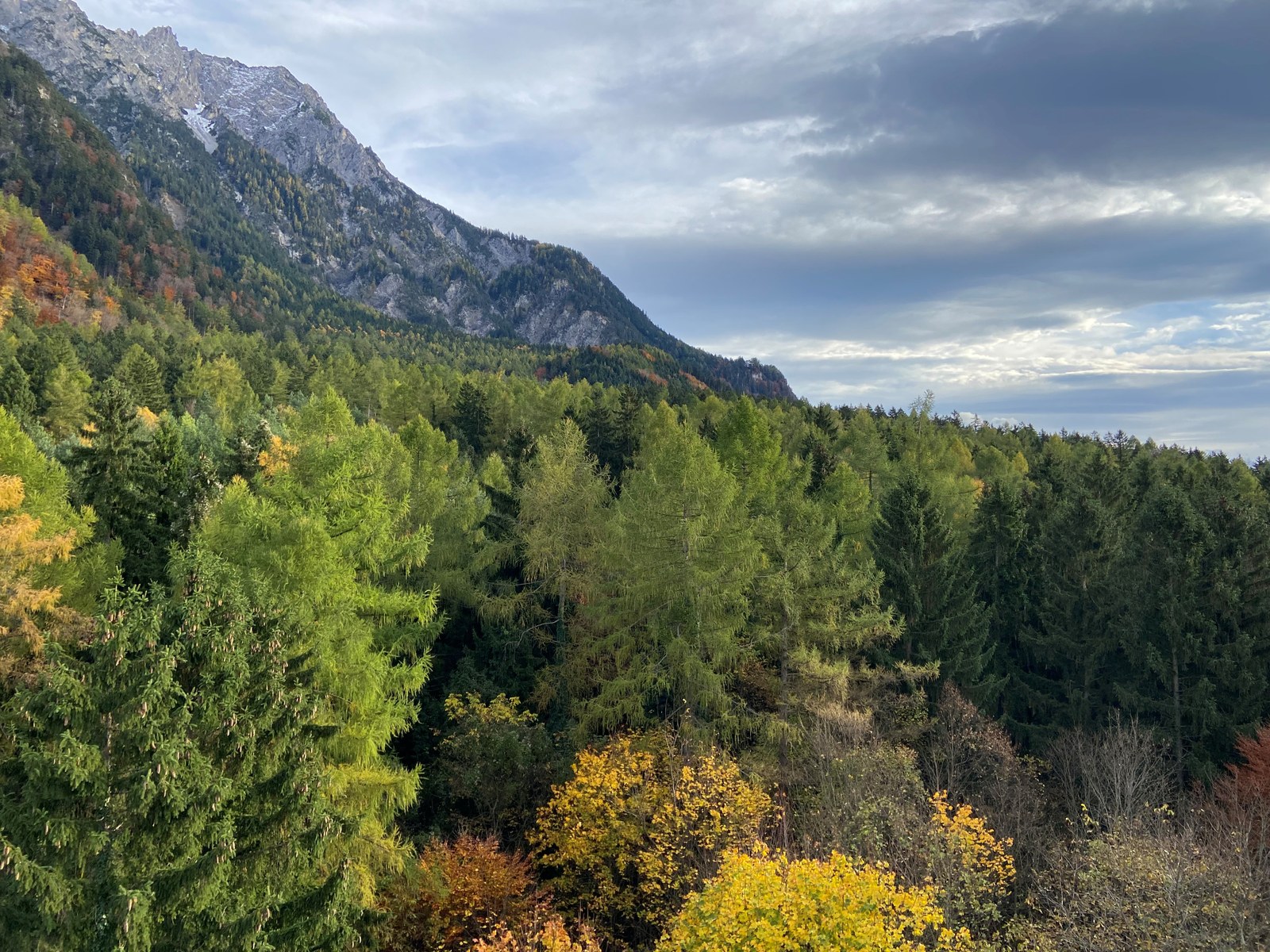
Act now to protect forests: sign the #HandsOffNature petition!
More than 40 percent of the Alpine region is covered by forests. They are not only a defining feature of the landscape, but also a cornerstone of Alpine livelihood, providing building materials, supporting biodiversity, and delivering essential ecosystem services.

Who is CIPRA?
Find out more!
More articles
alpMedia
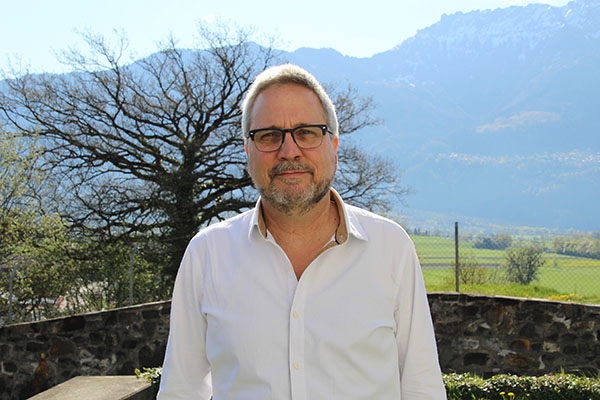
Point of view: For glaciers without a circus
The largest glacier ski resort in the Alps is to be built in Tyrol, Austria - on already melting glaciers. The planned connection of the ski areas in Pitztal and Ötztal goes against all reason, says Kaspar Schuler, Co-Manager of CIPRA International.

alpMedia
Mountaineering recognized as world cultural heritage
Unesco now lists alpinism as an intangible world cultural heritage. Alpine associations from France, Switzerland and Italy submitted the application.
alpMedia
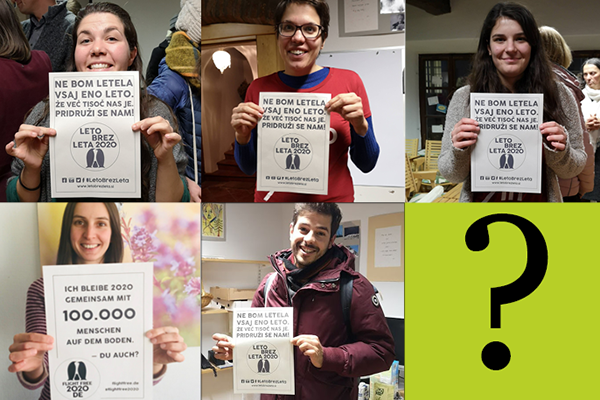
"We Stay on the Ground"
Explore the Alps by train: For the "Youth Alpine Interrail" participants, flight-free travel is a varied adventure.
alpMedia
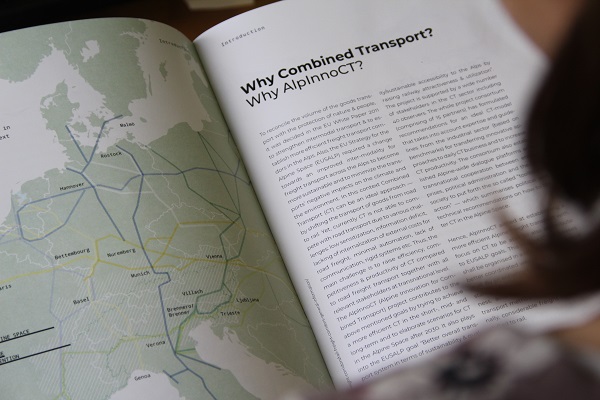
A top combination: From road to rail
It is technically and politically possible to shift freight traffic through the Alps onto rail. The AlpInnoCT project shows how it could work.
Events
|
Symposium 2: Vernacular Buildings in the Anthropocene | Austrian Academy of Sciences, Vienna (Austria) |
Projects
CIPRA International
CultureAlps
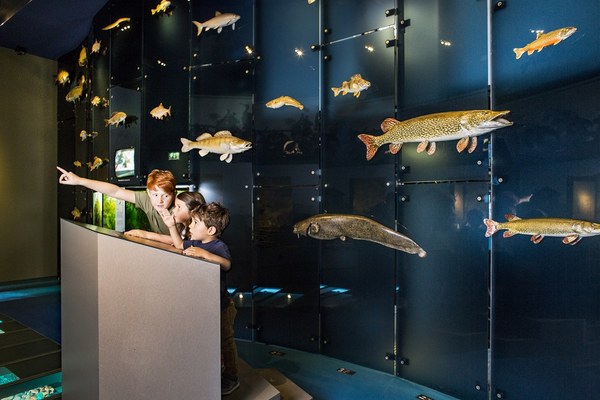
When art and culture give climate protection a fresh lick of paint: the Erasmus+ project “CultureAlps: connect, share, act!” opens up new ways of climate communication and collaboration.
CIPRA International Lab
LiveAlpsNature
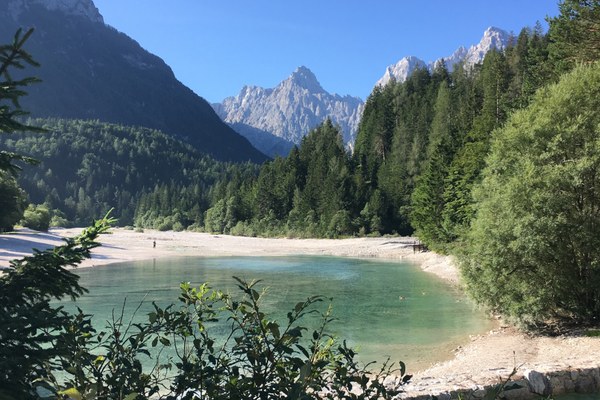
The LiveAlpsNature project contributes to the preservation of biodiversity in Alpine protected areas, which are increasingly being used for nature and health tourism. To this end, the project team is developing new visitor guidance concepts and leisure activities and integrating them into digital platforms.
CIPRA International Lab
AlpsLife – observe globally, act locally
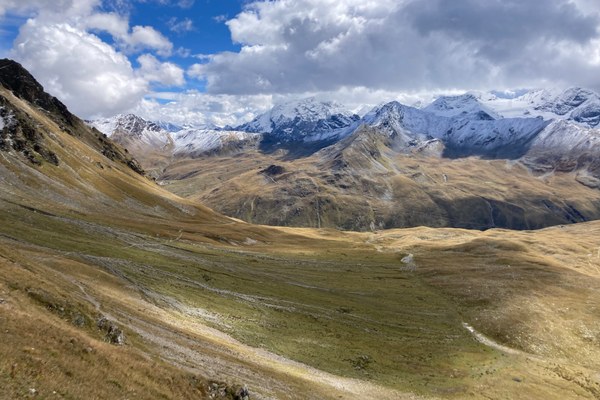
The successful protection of biodiversity in the Alps is only sustainable through Alpine-wide monitoring and management. This is the aim of the AlpsLife project.