
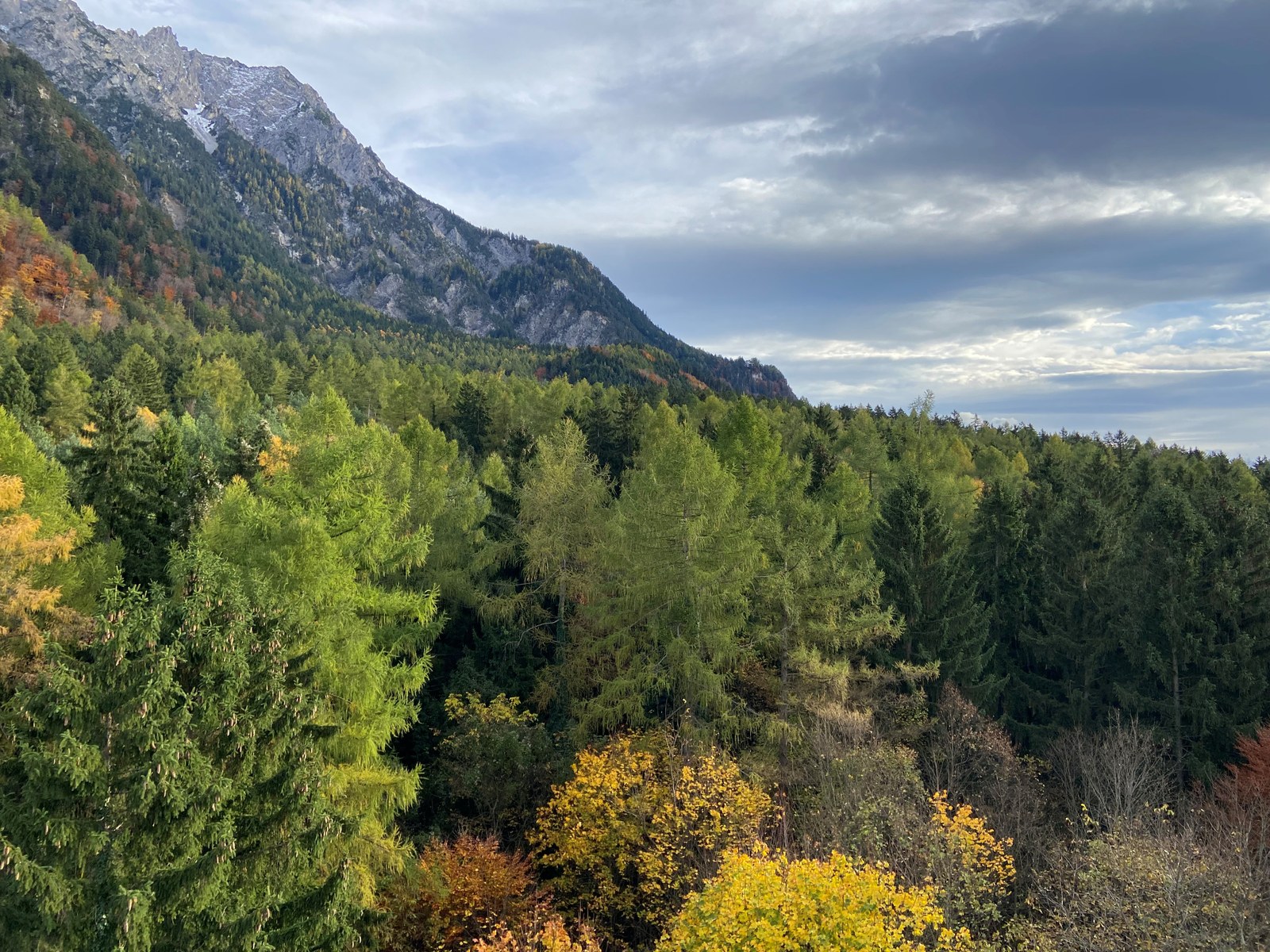
Act now to protect forests: sign the #HandsOffNature petition!
More than 40 percent of the Alpine region is covered by forests. They are not only a defining feature of the landscape, but also a cornerstone of Alpine livelihood, providing building materials, supporting biodiversity, and delivering essential ecosystem services.

Who is CIPRA?
Find out more!
More articles
alpMedia
The key to local development
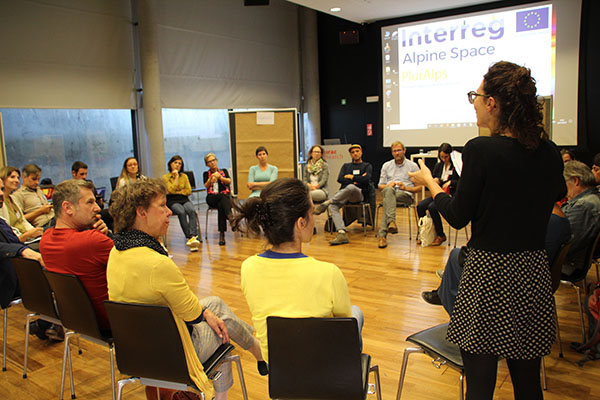
Pluralism as a strength of the Alps: ten organisations have committed themselves to this as part of the PlurAlps project. They presented their findings at the final conference held in Bolzano/I, including an innovation toolbox for integration together with policy recommendations.
alpMedia
The Alps as cultural laboratory
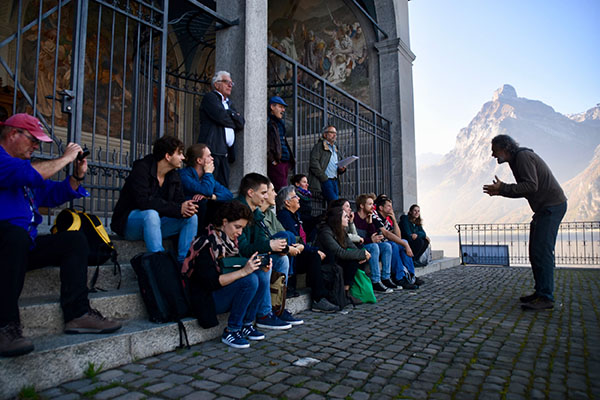
Inspiration, shared experiences and participation: the annual CIPRA conference saw over 100 attendees from every Alpine country meet in Altdorf/CH at the end of October 2019 to discuss the “Alpine Cultural Workshop”. The event was organised by CIPRA International and CIPRA Switzerland.
alpMedia
Budding ideas and flourishing projects
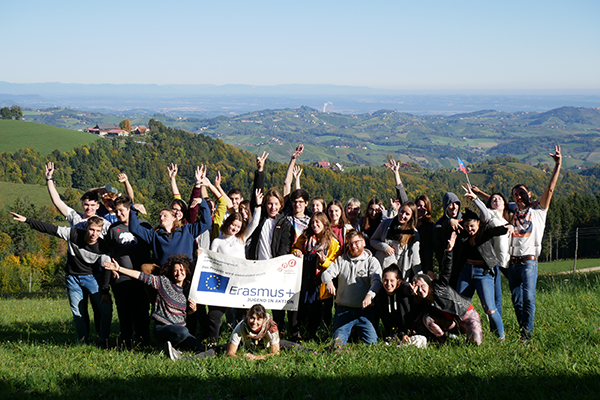
Building raised plant beds, converting parking spaces, replacing plastic bottles: at the end of the local project, young people from Schaan/LI travelled by train to Maribor/Sl and presented their actions aimed at a more sustainable lifestyle.
alpMedia
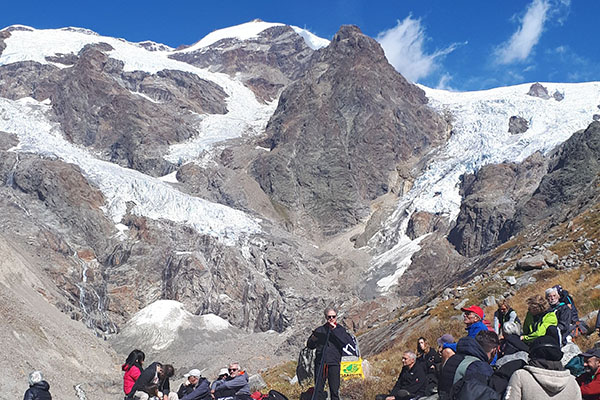
Solemn vigils for dying glaciers
Many Alpine glaciers have already disappeared due to global warming. In September 2019, vigils in Italy and Switzerland drew attention to this fact.
Events
|
Trento Film Festival | Santa Croce street, 67; I-38122 Trento | |
|
ForumAlpinum 2026 | Aosta | |
|
Webinar: The journey of water | online | |
|
XIV European Mountain Convention | Sallanches / France | |
|
Alps in Motion: new Alpine-wide Day of Action | alpswide |
Projects
CIPRA International
YPAC
CIPRA International
Constructive Alps
CIPRA
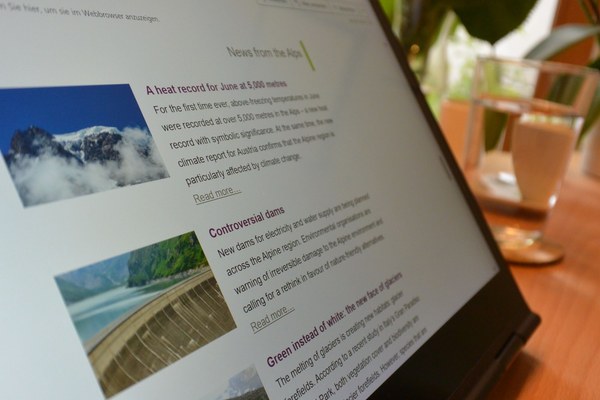
alpMedia
The alpMedia newsletter offers boundless information from and for the Alps. CIPRA launched this service in the International Year of the Mountain in 2002. Today the alpMedia Newsletter is published at irregular intervals in the four main languages of the Alps, i.e. French, German, Italian and Slovene. Important messages are merged in an English edition several times a year.