
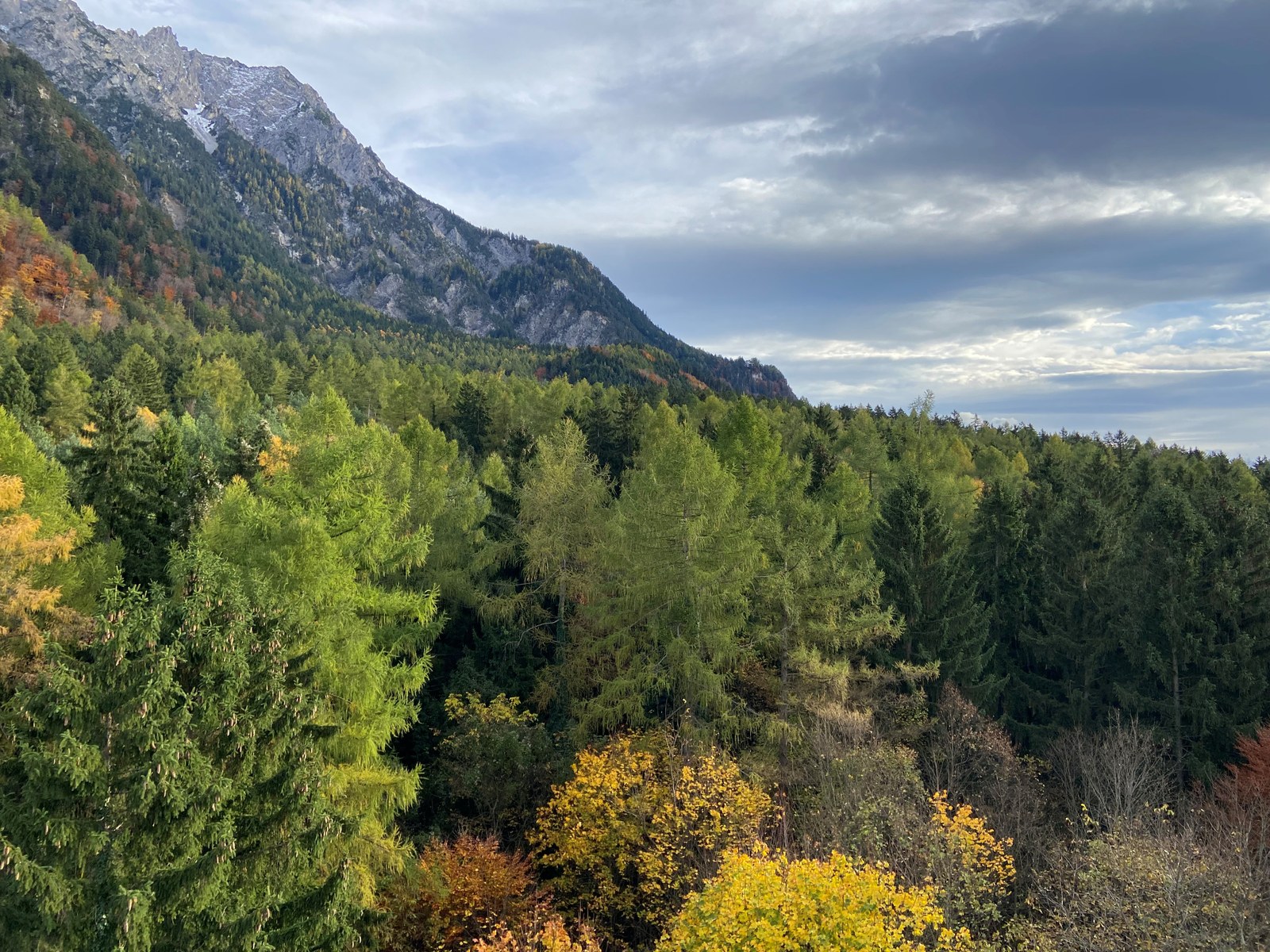
Act now to protect forests: sign the #HandsOffNature petition!
More than 40 percent of the Alpine region is covered by forests. They are not only a defining feature of the landscape, but also a cornerstone of Alpine livelihood, providing building materials, supporting biodiversity, and delivering essential ecosystem services.

Who is CIPRA?
Find out more!
More articles
alpMedia
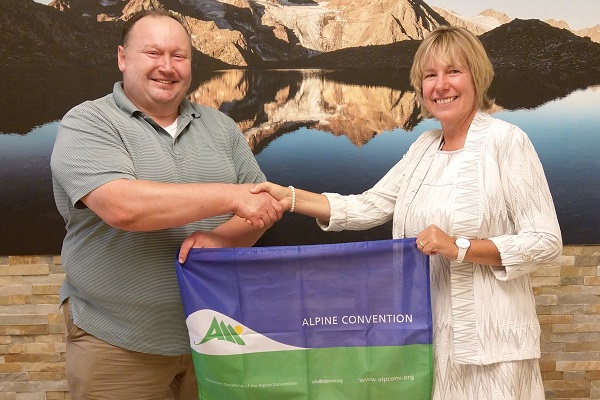
“There's no other way”
As a minister, 55-year-old Slovenian Alenka Smerkolj has already drawn up a strategy for Slovenia's sustainable development. As Secretary General of the Alpine Convention, she now intends to continue along this path.
alpMedia
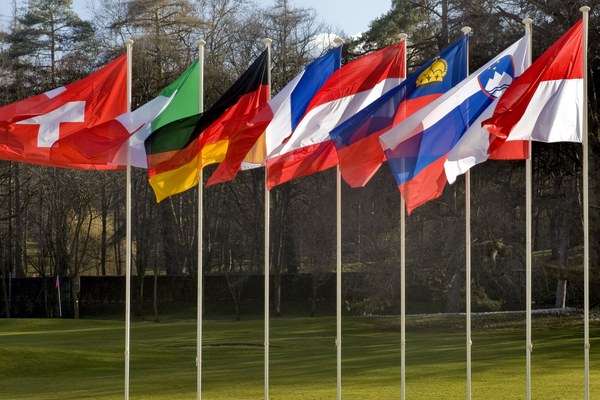
Sectorial Development of Green Economy in the Alpine Region
The final document on the Green Economy Action Programme has been adopted by the alpine ministers at the XV. Alpine conference in Innsbruck on the 4th of April 2019. The Action Programme was elaborated by the consortium blue!, CIPRA International and Spatial Foresight.

alpMedia
Point of view: So the landscape has a future
The guardians of the landscape are the people who live there. They must be involved in the decision-making and development processes, says Špela Berlot, Managing Director of CIPRA Slovenia.
alpMedia
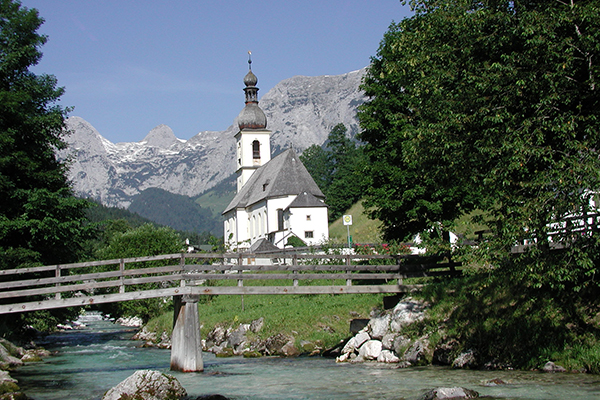
Holidaying with a clear conscience
From Germany’s first mountaineering village, to the Italian “Albergo Diffuso”, to coworking space in a Swiss holiday region: three inspiring examples that show how environmentally friendly and socially responsible holidays in the Alps can be.
Events
|
Symposium 2: Vernacular Buildings in the Anthropocene | Austrian Academy of Sciences, Vienna (Austria) |
Projects
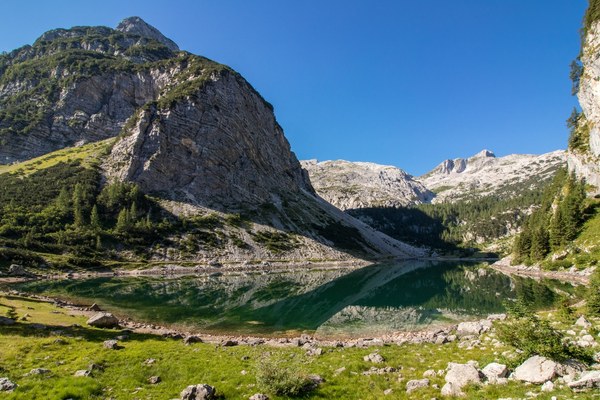
Responsible management of mountain water resources
Mountain regions constitute a unique yet fragile natural environment that provides habitat for numerous rare and endemic species. Their biodiversity is rich, yet highly vulnerable. These areas host a variety of aquatic ecosystems—rivers, streams, lakes, wetlands and peat bogs — which have very limited self-purification capacity and are extremely sensitive to change. Their condition is directly affected by climate change and human activities.
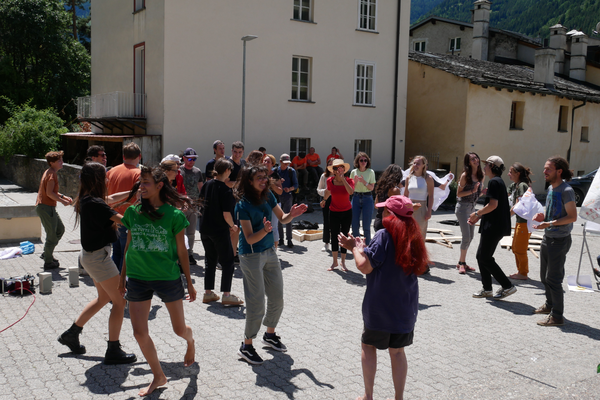
CIPRA International
Alpine Changemaker Network
How can we advance eco-social transformation in the Alpine region? The Alpine Changemaker Network project combines Alpine traditions, as reflected in contemporary art, culture and design, with current approaches to overcoming global crises.
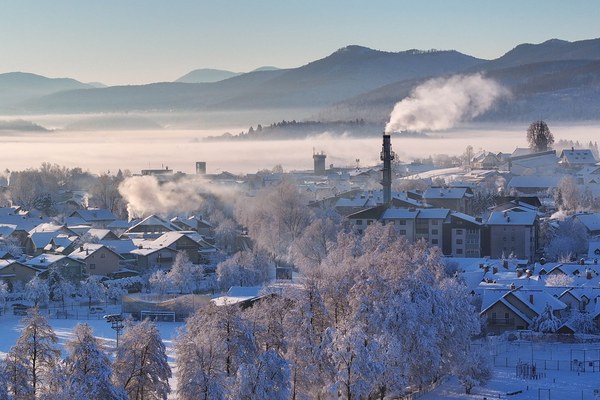
Heating of buildings and air quality 2.0
The project represents a continuation of efforts to reduce air pollution resulting from improper combustion in individual furnaces. Particular attention is paid to the use of outdated wood biomass combustion devices, which contribute significantly to emissions of particles that are harmful to health.