
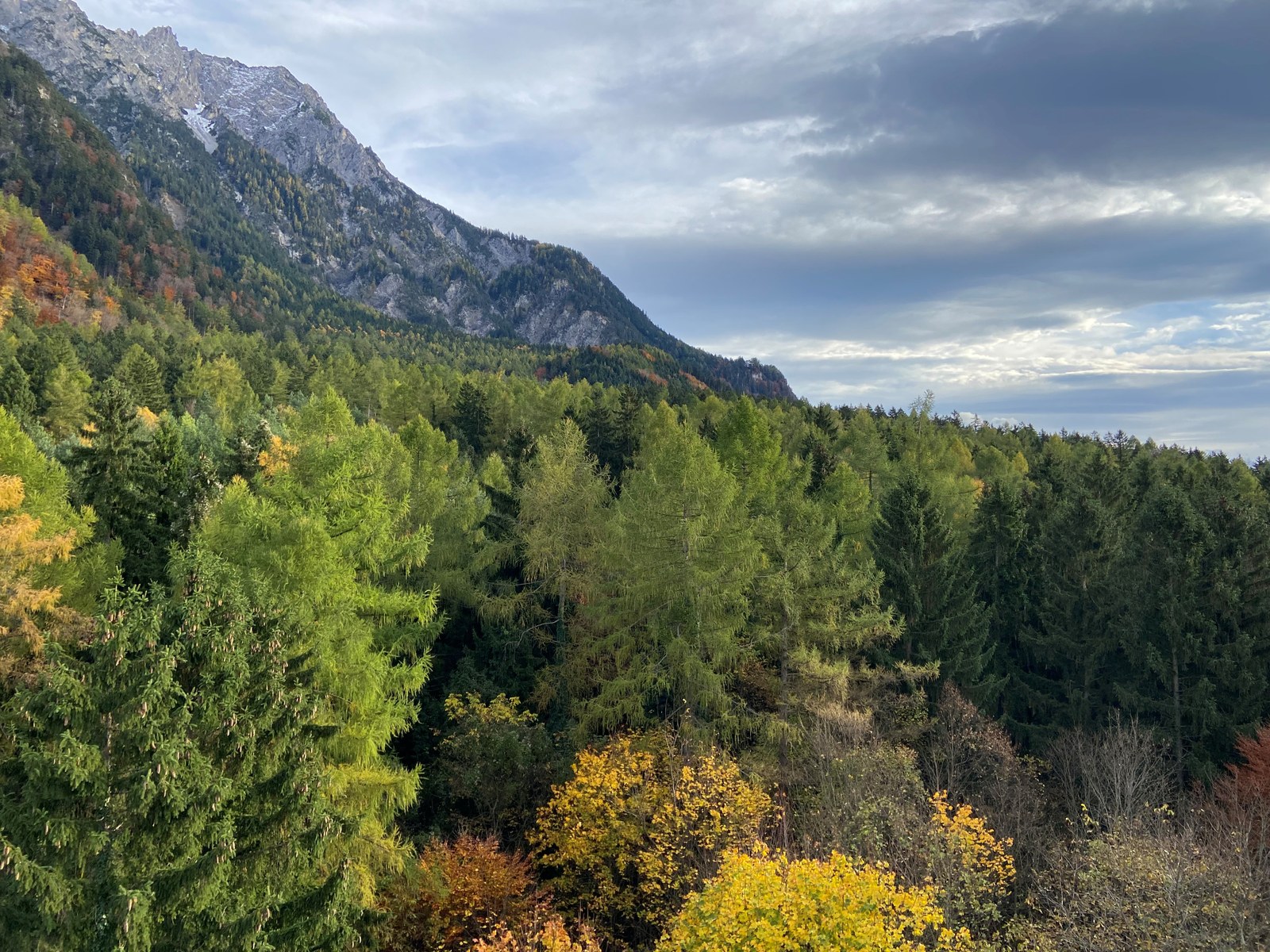
Act now to protect forests: sign the #HandsOffNature petition!
More than 40 percent of the Alpine region is covered by forests. They are not only a defining feature of the landscape, but also a cornerstone of Alpine livelihood, providing building materials, supporting biodiversity, and delivering essential ecosystem services.

Who is CIPRA?
Find out more!
More articles
alpMedia
From archives to houses of the present
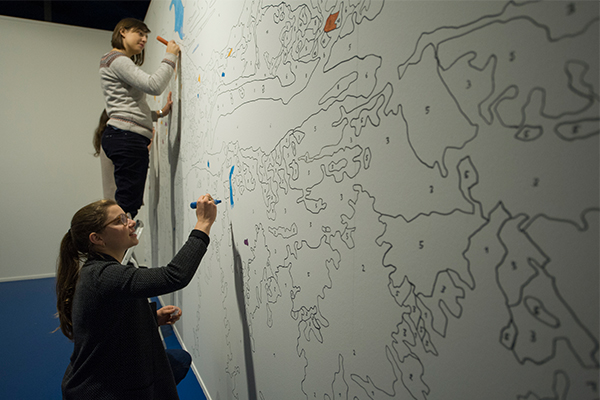
Alpine museums are about more than just wooden skis, farmhouse trunks and old photos. They preserve, exhort or inspire us – and thus have a vital role in society.
alpMedia
No landscape to be seen
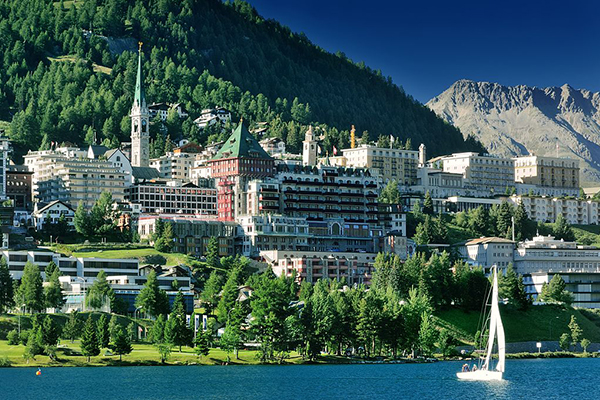
Increasing demands for use are putting the Alpine landscape under ever more pressure. The “Urban Sprawl Initiative” is an attempt by environmentalists in Switzerland to reverse the trend. The aim is to curb the marketisation of the landscape.

alpMedia
Point of view: Don’t mess with our future!
The climate crisis is a reality – and it is by no means the only environmental problem looming. Luisa Deubzer of the CIPRA Youth Advisory Council calls for a rethinking on the part of society. In late November 2018 the 24-year-old gave a fiery speech before politicians and young people at the Eusalp Forum in Innsbruck, Austria.
alpMedia
What the landscape tells us
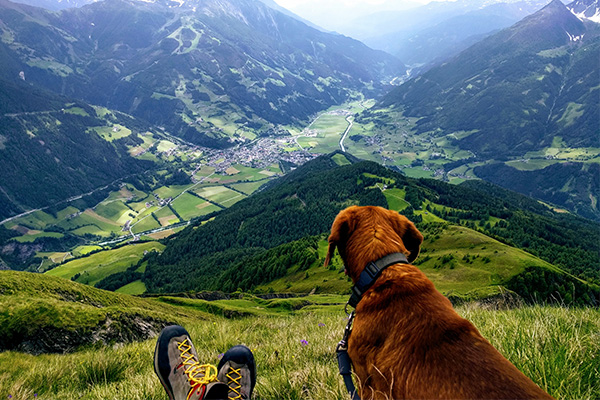
How do we perceive changes in the landscape? Why do we feel more closely connected to some places than others? These questions are raised by CIPRA with «Re-Imagine Alps», its new interactive map of the region.
Events
|
Symposium 2: Vernacular Buildings in the Anthropocene | Austrian Academy of Sciences, Vienna (Austria) |
Projects
CIPRA International | CIPRA Deutschland | CIPRA Italia | CIPRA France
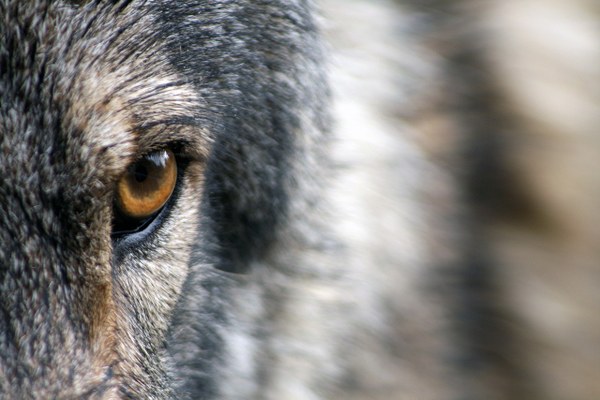
Knowledge transfer on the co-adaptation of humans and wolves in the Alpine region
[Project completed] The return of large carnivores is increasingly causing the fronts to harden between different groups of stakeholders. Among the large carnivores returning to the Alps, the wolf is the most widespread and therefore the most widely debated animal. Wolves are synanthropic animals and cross boundaries - physical as well as intangible ones – regularly. Thus, they have been accompanying and influencing social and cultural processes since time immemorial. In this project, CIPRA has taken on the task to collect, analyse, make available and disseminate knowledge about the co-adaptation of humans and wolves throughout the Alps.