
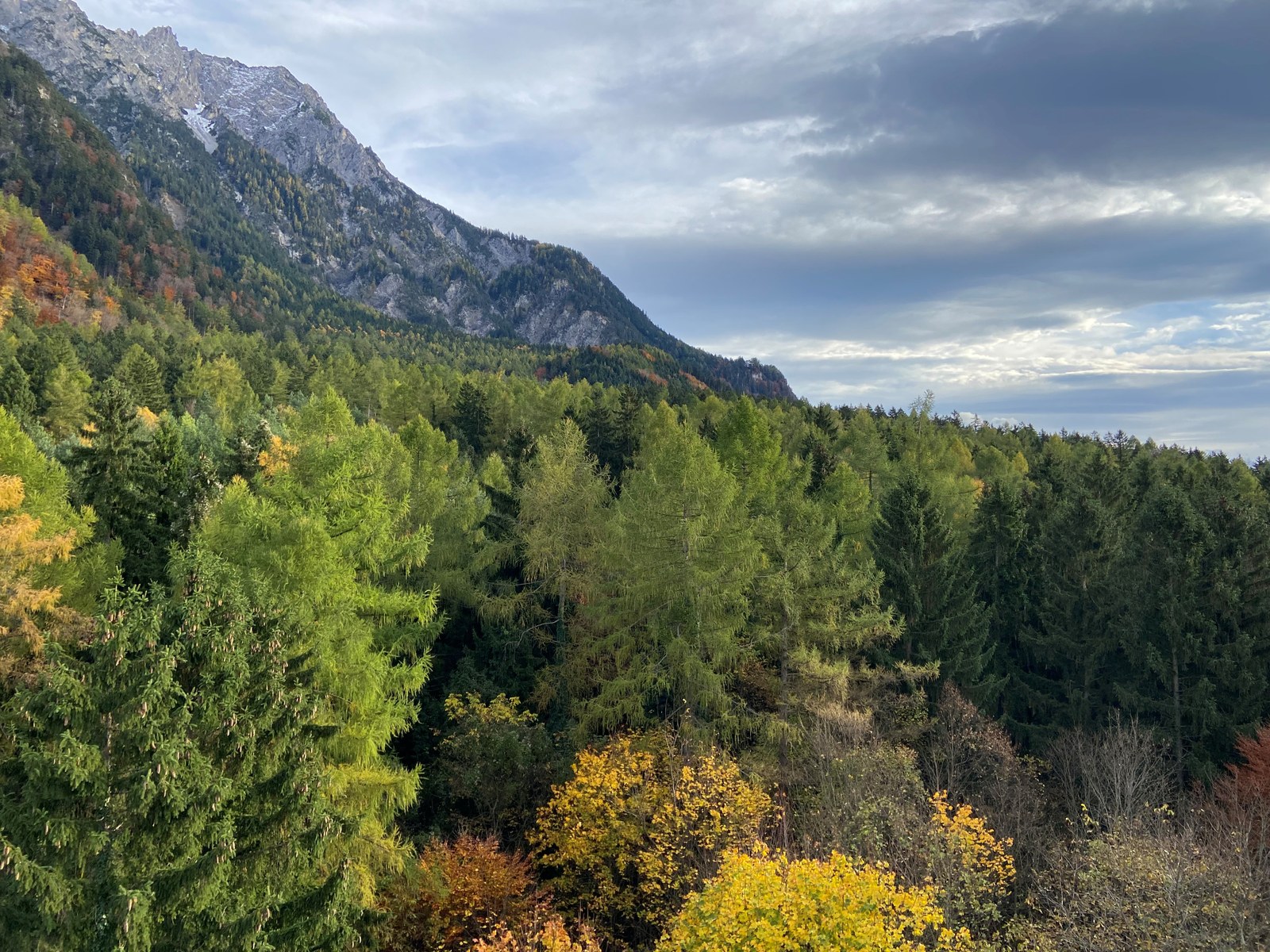
Act now to protect forests: sign the #HandsOffNature petition!
More than 40 percent of the Alpine region is covered by forests. They are not only a defining feature of the landscape, but also a cornerstone of Alpine livelihood, providing building materials, supporting biodiversity, and delivering essential ecosystem services.

Who is CIPRA?
Find out more!
More articles
alpMedia
Oh!
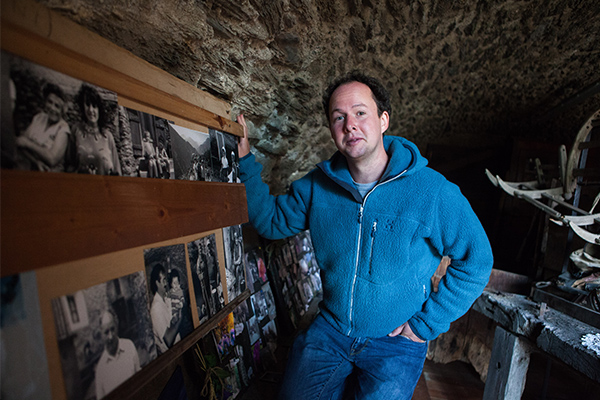
Ample space for castles in the air
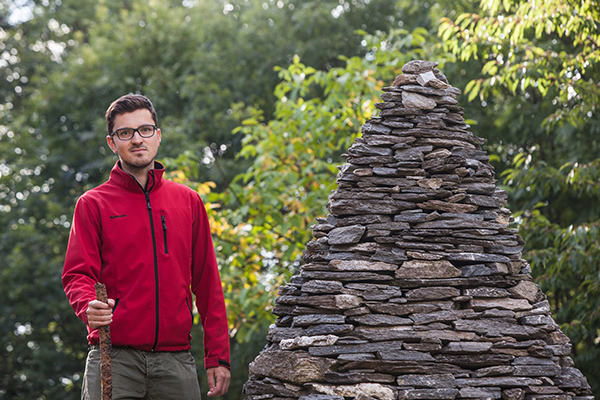
Toni seeks out sources of friction between himself and his surroundings. That includes meeting up with people who have contrasting views to his own and his own living environment. ‘It’s the only way for something new to materialise,’ he explains.
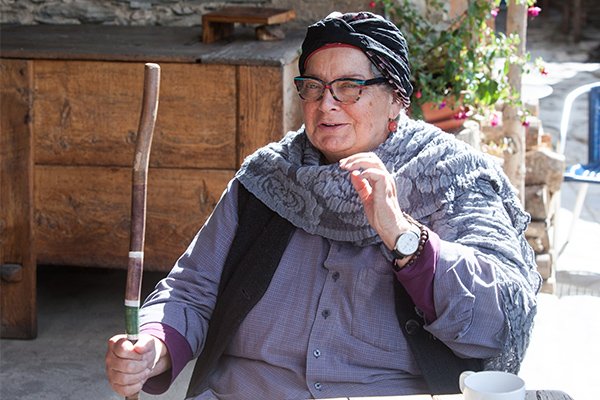
A place of encounter
Living here is a life choice. It’s not a choice Maria Schneider from Germany made herself; rather, she followed her husband Andreas Schneider to Italy some thirty-five years ago. In actual fact, it all began by mistake.
The whale jumper
Hanging inside Gregor Novak’s flat is a whale. Made from an old pullover. That old woolly jumper had become seriously irritating as it had lost its shape and was unwearable. So Gregor scratched his head looking for an idea and then came up with two – in the drawers marked ‘Fabrics’ and ‘Animals’ respectively. He then handcrafted the old jumper into a whale, which now adorns his flat in Liechtenstein.
Events
|
Trento Film Festival | Santa Croce street, 67; I-38122 Trento | |
|
ForumAlpinum 2026 | Aosta | |
|
Webinar: The journey of water | online | |
|
XIV European Mountain Convention | Sallanches / France | |
|
Alps in Motion: new Alpine-wide Day of Action | alpswide |
Projects
CIPRA International | CIPRA Deutschland | CIPRA Italia | CIPRA France
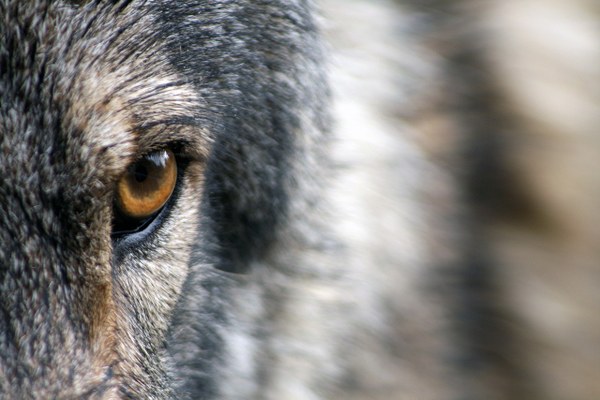
Knowledge transfer on the co-adaptation of humans and wolves in the Alpine region
[Project completed] The return of large carnivores is increasingly causing the fronts to harden between different groups of stakeholders. Among the large carnivores returning to the Alps, the wolf is the most widespread and therefore the most widely debated animal. Wolves are synanthropic animals and cross boundaries - physical as well as intangible ones – regularly. Thus, they have been accompanying and influencing social and cultural processes since time immemorial. In this project, CIPRA has taken on the task to collect, analyse, make available and disseminate knowledge about the co-adaptation of humans and wolves throughout the Alps.