
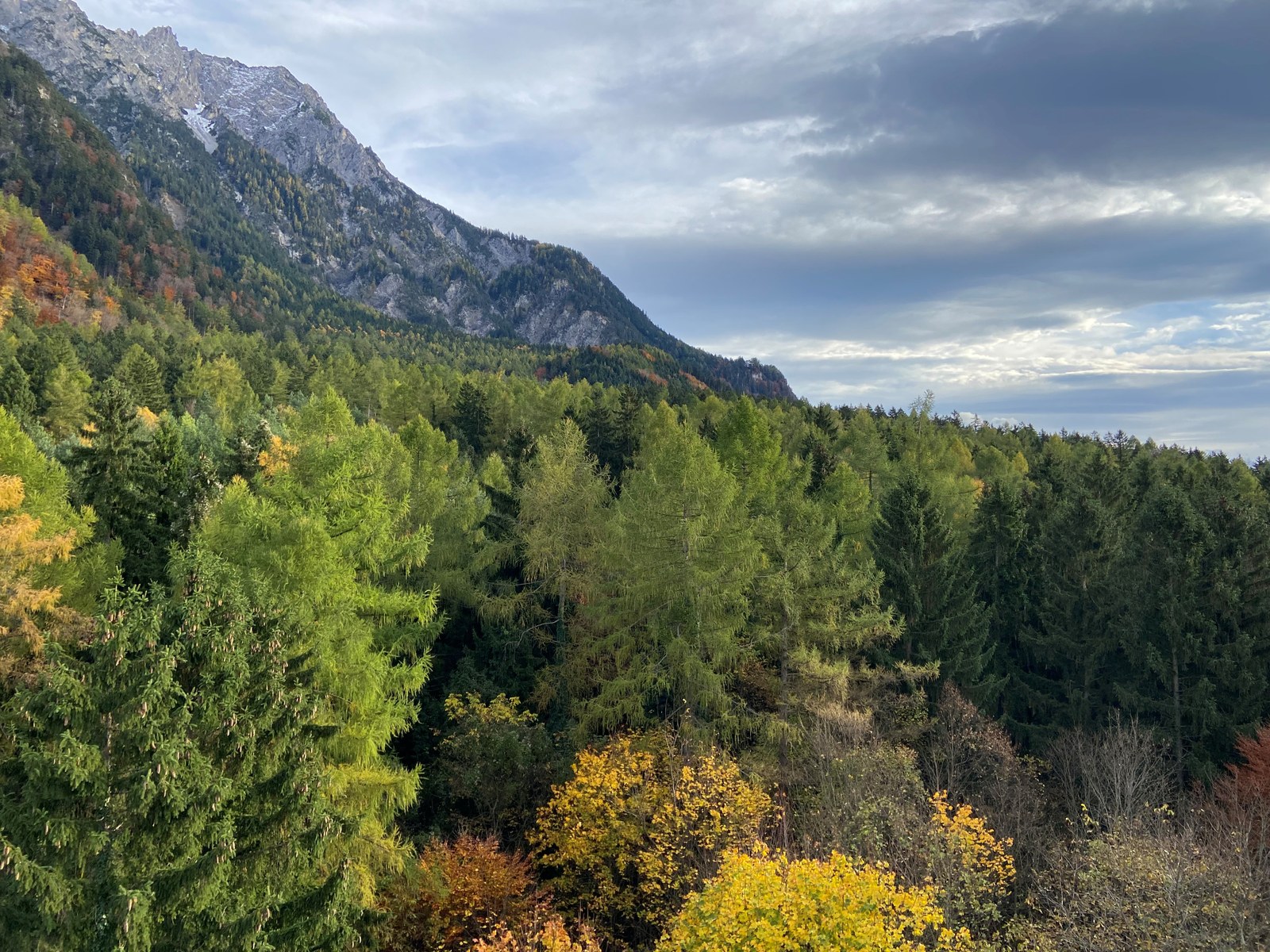
Act now to protect forests: sign the #HandsOffNature petition!
More than 40 percent of the Alpine region is covered by forests. They are not only a defining feature of the landscape, but also a cornerstone of Alpine livelihood, providing building materials, supporting biodiversity, and delivering essential ecosystem services.

Who is CIPRA?
Find out more!
More articles

Point of view: The tourism dilemma
Travel threatens the very values upon which tourism in the Alps depends, creating a real dilemma. Sustainable mobility in tourism is not simply a competitive advantage, but a “must”, states Barbara Wülser, deputy director of CIPRA International.
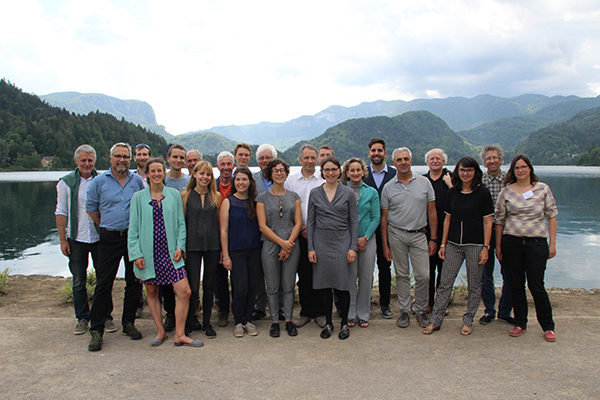
New strength for the Alps
In June 2018 Kaspar Schuler took over the leadership of CIPRA International, based in Schaan, Liechtenstein, with changes also made to the executive board.
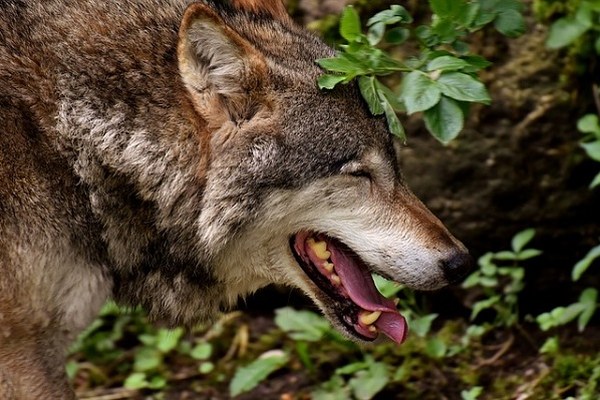
Wolves: we need to debate values openly
No animal can match the wolf when it comes to media attention. Sensation often obscures our view of the essential. Various initiatives in the Alpine region are dedicated to improving the image of the wolf.
Strange but true...
Events
|
Trento Film Festival | Santa Croce street, 67; I-38122 Trento | |
|
ForumAlpinum 2026 | Aosta | |
|
Webinar: The journey of water | online | |
|
XIV European Mountain Convention | Sallanches / France | |
|
Alps in Motion: new Alpine-wide Day of Action | alpswide |
Projects
CIPRA International
Alpine Climate Action
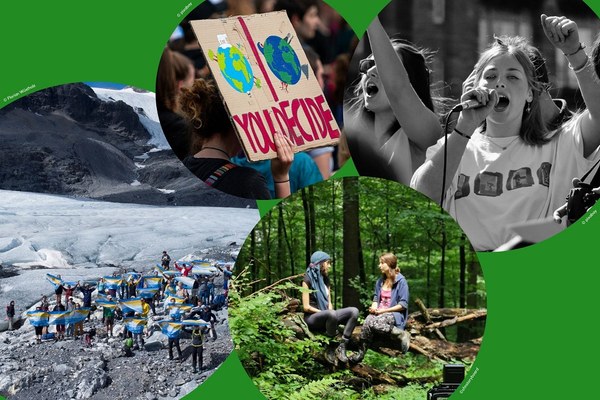
[Project completed] From classic forms of political participation to creative methods of non-violent civil resistance: in four online workshops, young adults learn about a range of political engagement – and how they can use it to campaign for climate protection.
CIPRA International
Saving:Soils
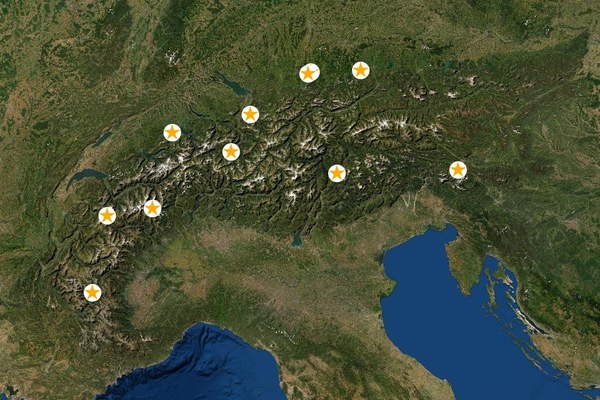
[Project completed] With its project “Saving:Soils”, CIPRA is working for a trend reversal in the use of land in peri-urban areas in order to put scientific findings into practice, make pilot examples visible and encourage imitation.
CIPRA International
Alpine Convention - Sectoral development of the Green Economy in the Alpine region
[Project completed] Promoting environmentally sustainable growth while recognising ecological limits: the Green Economy is low-carbon, resource-efficient and socially inclusive. This form of economy preserves the Alpine ecosystem while making use of existing natural capital.