
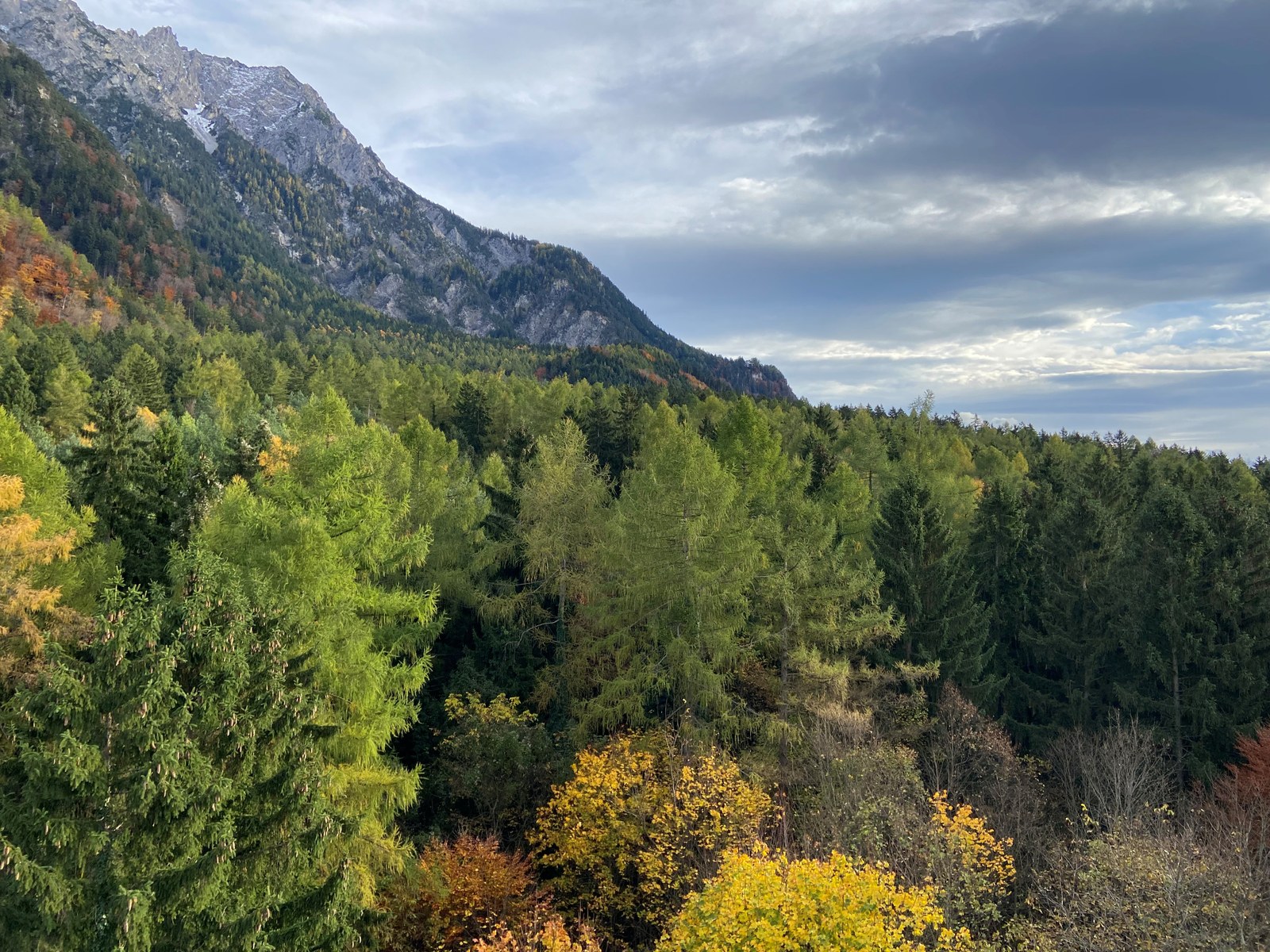
Act now to protect forests: sign the #HandsOffNature petition!
More than 40 percent of the Alpine region is covered by forests. They are not only a defining feature of the landscape, but also a cornerstone of Alpine livelihood, providing building materials, supporting biodiversity, and delivering essential ecosystem services.

Who is CIPRA?
Find out more!
More articles

Space is finite
In 2016 CIPRA examined spatial planning from various perspectives. With the alpMonitor project for instance, it demonstrated under the Spatial Planning rubric how such processes can be tackled at the municipal level and what the potential stumbling blocks might be.

Awakening and change
“Us first” was the pervasive motto in 2016, more so than ever before. In the light of a global political and social climate of isolation it is all the more important for CIPRA to stand up for values such as solidarity, co-operation, environmental protection, and justice.

Turning risks into opportunities
On this October afternoon in the Swiss region of Surselva, the hotel in Vals is a hive of activity as a group of people discuss and gesticulate in German and Romansh. They’re engaged in an exchange of views on the opportunities, risks, and future of the valley in the wake of climate change.

Mobility as a state of mind
“People very quickly forget about a traffic jam providing it doesn’t lasts longer than ten minutes.” 140 pairs of eyes were focused on the speaker Gerhard Fehr. At the international symposium on commuter mobility in Hard, Austria, in mid-November, Mr Fehr, a behavioural economist, was showing his audience why the choice of means of transport is often not a rational decision.
Events
|
Symposium 2: Vernacular Buildings in the Anthropocene | Austrian Academy of Sciences, Vienna (Austria) |
Projects
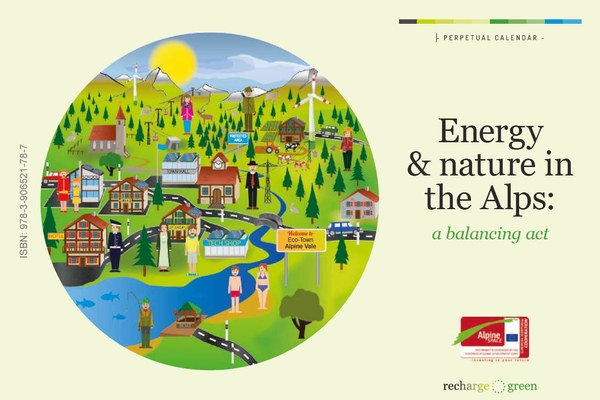
CIPRA International | CIPRA Deutschland | CIPRA Italia | CIPRA France
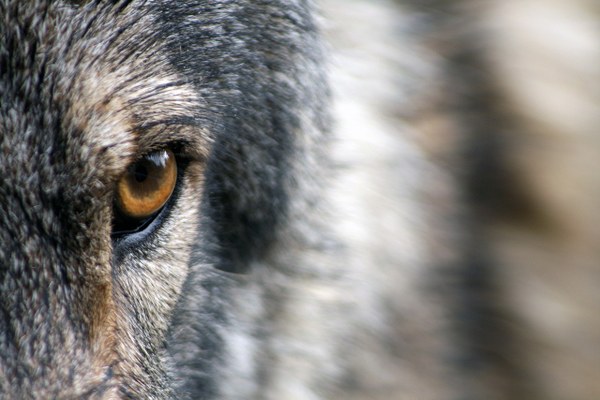
Knowledge transfer on the co-adaptation of humans and wolves in the Alpine region
[Project completed] The return of large carnivores is increasingly causing the fronts to harden between different groups of stakeholders. Among the large carnivores returning to the Alps, the wolf is the most widespread and therefore the most widely debated animal. Wolves are synanthropic animals and cross boundaries - physical as well as intangible ones – regularly. Thus, they have been accompanying and influencing social and cultural processes since time immemorial. In this project, CIPRA has taken on the task to collect, analyse, make available and disseminate knowledge about the co-adaptation of humans and wolves throughout the Alps.