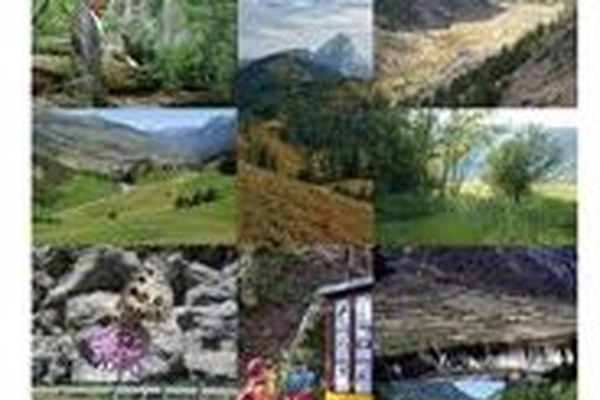
Act now to protect forests: sign the #HandsOffNature petition!
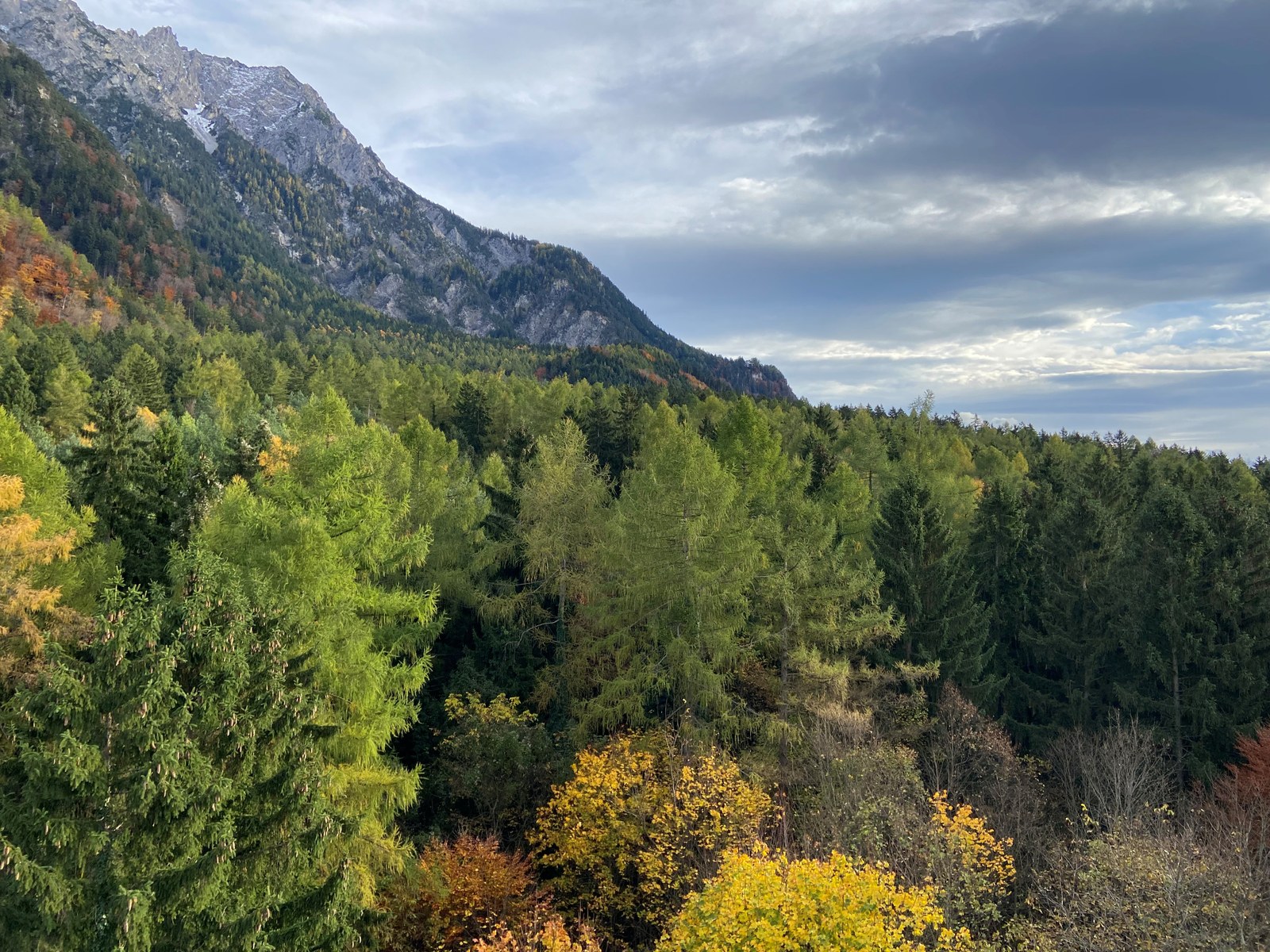
More than 40 percent of the Alpine region is covered by forests. They are not only a defining feature of the landscape, but also a cornerstone of Alpine livelihood, providing building materials, supporting biodiversity, and delivering essential ecosystem services.

Who is CIPRA?
Find out more!
More articles
Janin Salzger, CIPRA International Lab
When research aids biodiversity
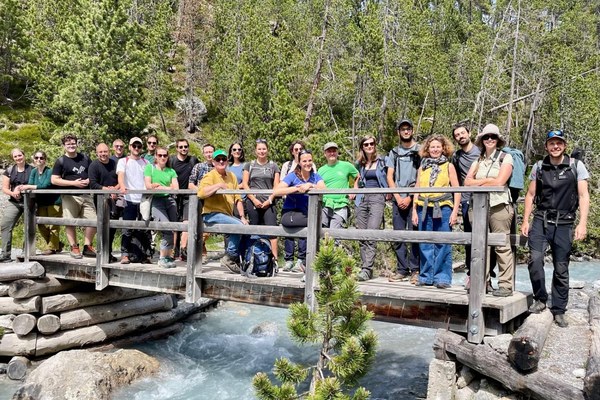
Researching and strengthening natural diversity across the Alps: with this goal in mind, the Interreg project AlpsLife brought together science, practice and politics in summer 2025 – in the Swiss National Park and at the meeting of the Alpine Biodiversity Board of the Alpine Convention in Liechtenstein.
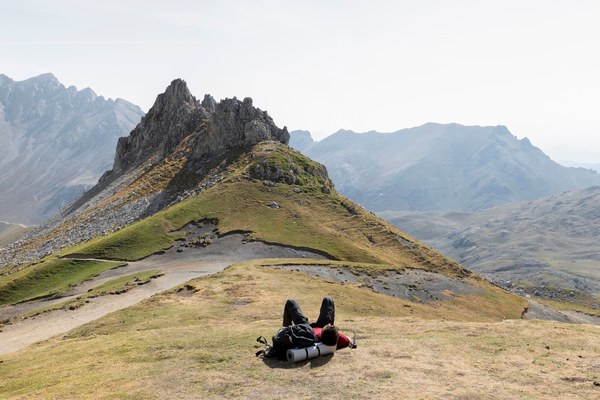
Michael Gams, CIPRA International
Responsible bivouacking
Bivouacking is becoming increasingly popular, but spending the night outdoors can be problematic, especially in sensitive Alpine regions. A new, free handbook from CIPRA provides guidance on environmentally friendly behaviour along the Via Alpina.
Elisabeth Ladinser, CIPRA Südtirol
Point of view: Climate protection requires clear legislation!
Glacier melt, disappearing permafrost, more frequent rockfalls and mudslides: temperatures in the Alpine region are rising faster than the global average – with dramatic consequences for nature and people. That is why decisive climate protection laws are now needed at regional and national level, demands Elisabeth Ladinser, chair of the South Tyrolean Umbrella Organisation for Nature and Environmental Protection and president of CIPRA South Tyrol.
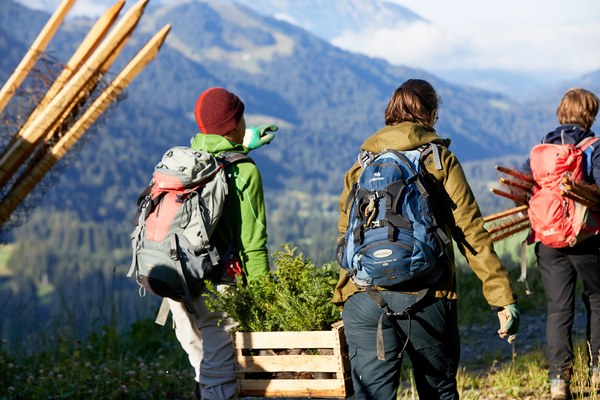
Climate crisis: solutions from nature
A recent report with CIPRA involvement shows how nature-based solutions can help to tackle the climate crisis across the Alps.
Events
|
Symposium 2: Vernacular Buildings in the Anthropocene | Austrian Academy of Sciences, Vienna (Austria) |
Projects
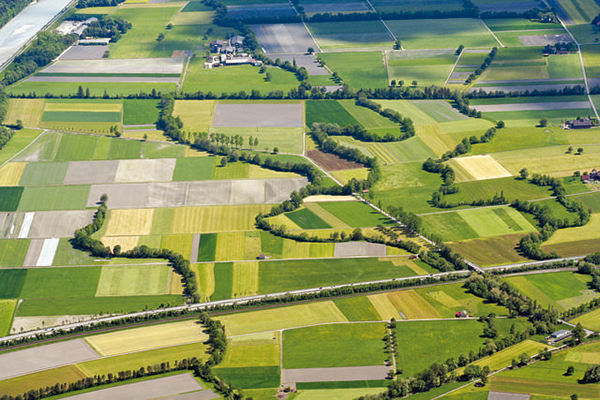
CIPRA International
Ecological Continuum Initiative
[Project completed] Nature does not stop at the boundaries of protected areas or national borders. And, more and more often, man’s interventions in nature and the landscape are dissecting habitats and lastingly obstructing the exchange and migration of fauna and flora. This is putting Europe’s unique biodiversity in the Alps at risk.