
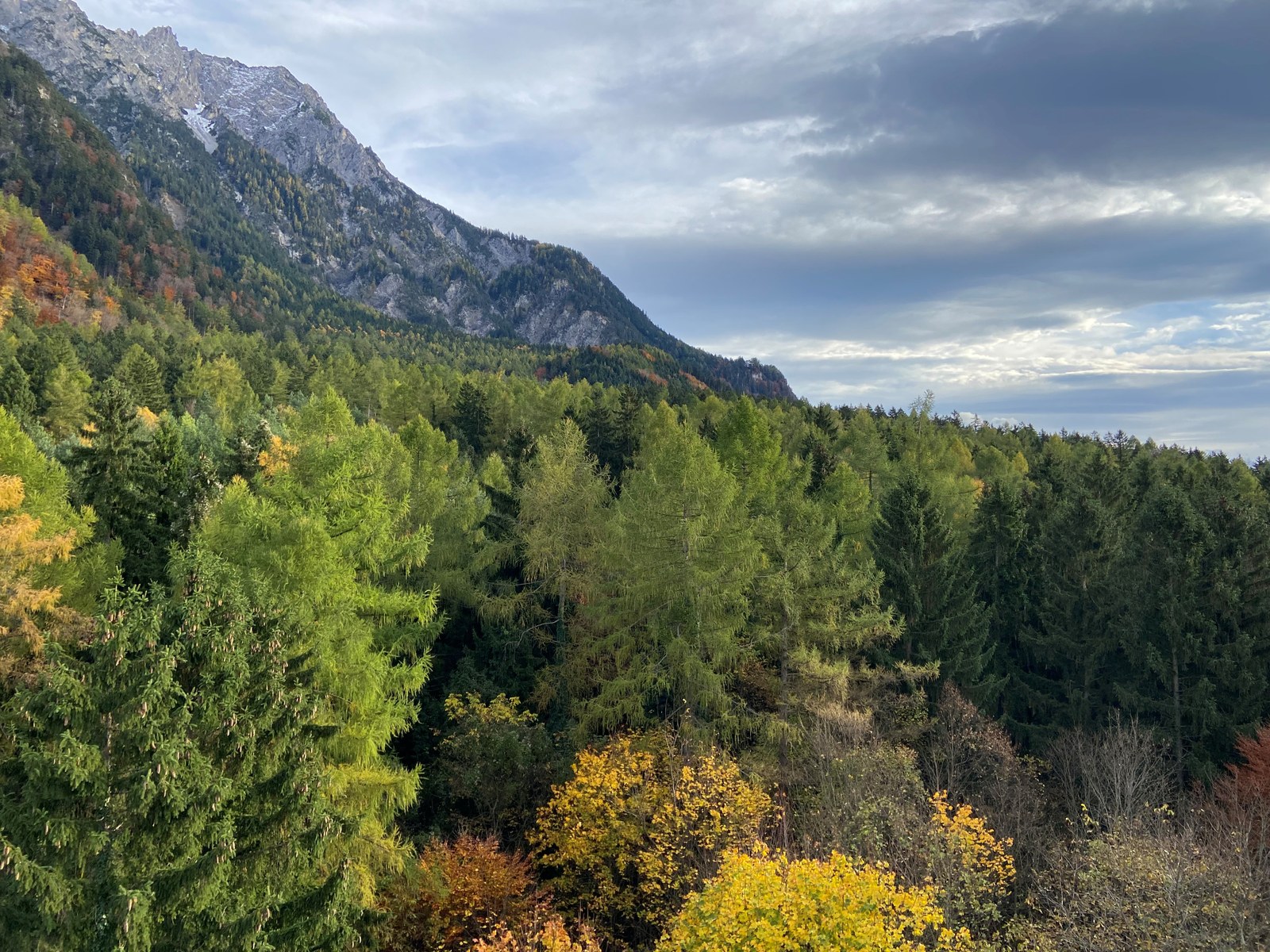
Act now to protect forests: sign the #HandsOffNature petition!
More than 40 percent of the Alpine region is covered by forests. They are not only a defining feature of the landscape, but also a cornerstone of Alpine livelihood, providing building materials, supporting biodiversity, and delivering essential ecosystem services.

Who is CIPRA?
Find out more!
More articles
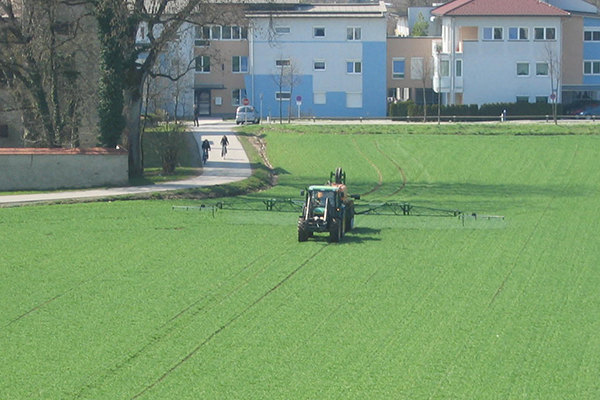
Pesticides: a tug of war
Pesticides damage the environment, threaten useful species like bees, pollute the water in the Alps, while some are suspected of causing cancer. They nevertheless appear to be indispensable in conventional agriculture.
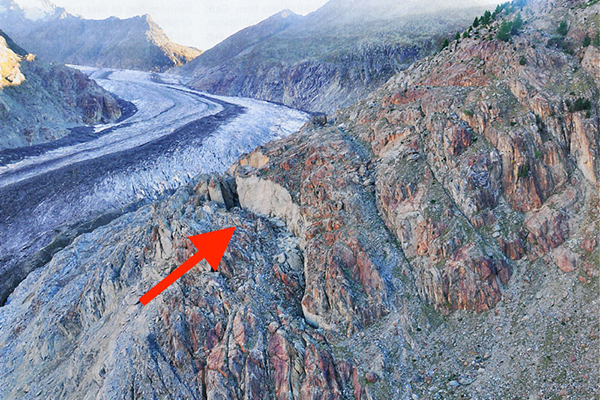
Oh...
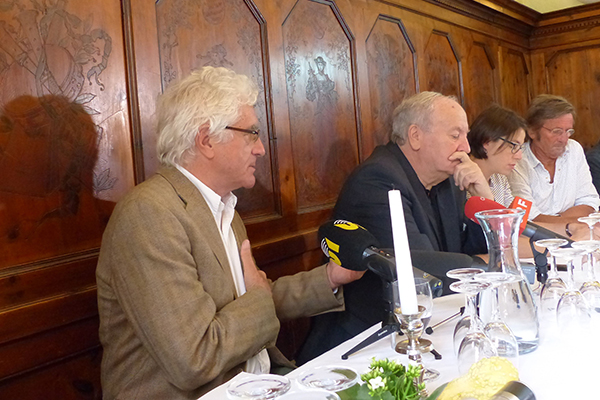
Reliable partnerships right across the Alps
CIPRA Austria, CIPRA Germany, CIPRA South Tyrol. Right now the cable car industry is all about superlatives. Indeed, the “world’s greatest glacier ski area” is to be created by linking up the ski resorts in the Austrian Pitztal and Ötztal valleys.
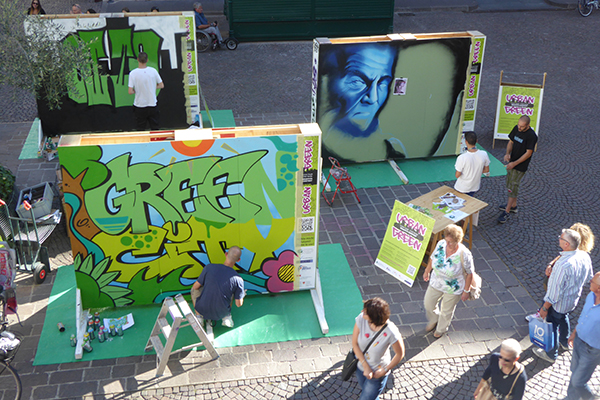
Spray-painting for environmental protection
CIPRA South Tyrol. Urban Green – How does the young generation imagine its city of the future?
Events
|
Symposium 2: Vernacular Buildings in the Anthropocene | Austrian Academy of Sciences, Vienna (Austria) |
Projects
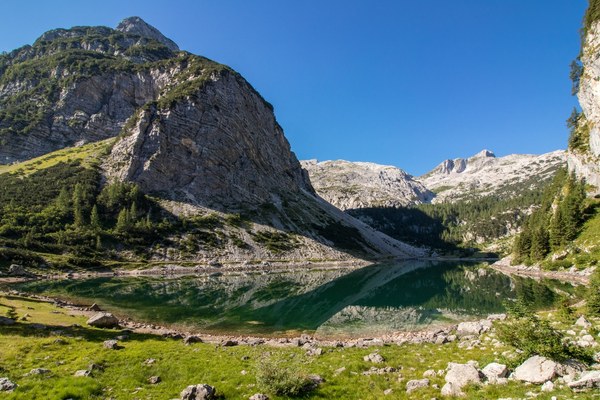
Responsible management of mountain water resources
Mountain regions constitute a unique yet fragile natural environment that provides habitat for numerous rare and endemic species. Their biodiversity is rich, yet highly vulnerable. These areas host a variety of aquatic ecosystems—rivers, streams, lakes, wetlands and peat bogs — which have very limited self-purification capacity and are extremely sensitive to change. Their condition is directly affected by climate change and human activities.
CIPRA International
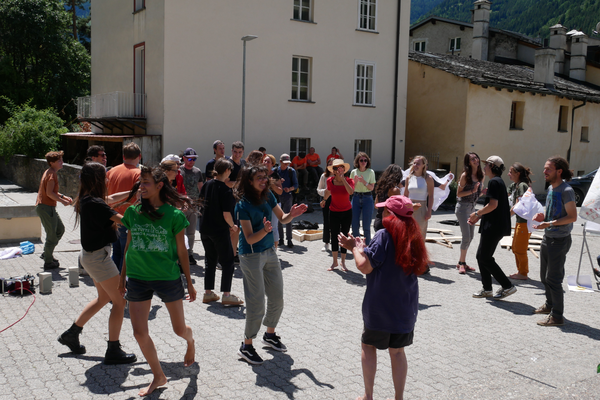
Alpine Changemaker Network
How can we advance eco-social transformation in the Alpine region? The Alpine Changemaker Network project combines Alpine traditions, as reflected in contemporary art, culture and design, with current approaches to overcoming global crises.
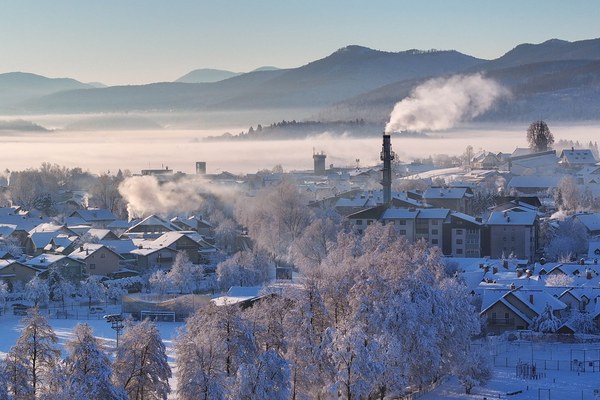
Heating of buildings and air quality 2.0
The project represents a continuation of efforts to reduce air pollution resulting from improper combustion in individual furnaces. Particular attention is paid to the use of outdated wood biomass combustion devices, which contribute significantly to emissions of particles that are harmful to health.