
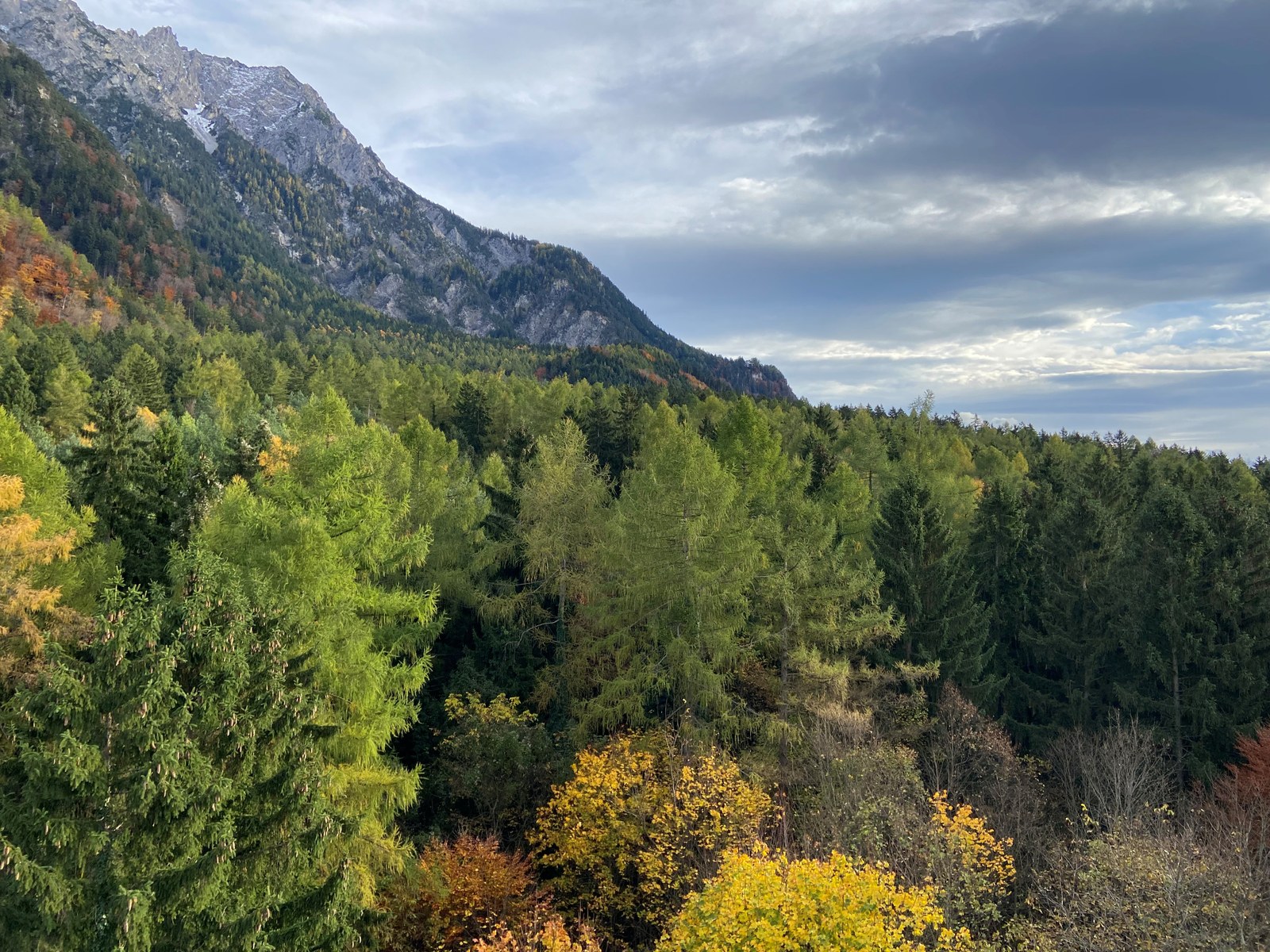
Act now to protect forests: sign the #HandsOffNature petition!
More than 40 percent of the Alpine region is covered by forests. They are not only a defining feature of the landscape, but also a cornerstone of Alpine livelihood, providing building materials, supporting biodiversity, and delivering essential ecosystem services.

Who is CIPRA?
Find out more!
More articles
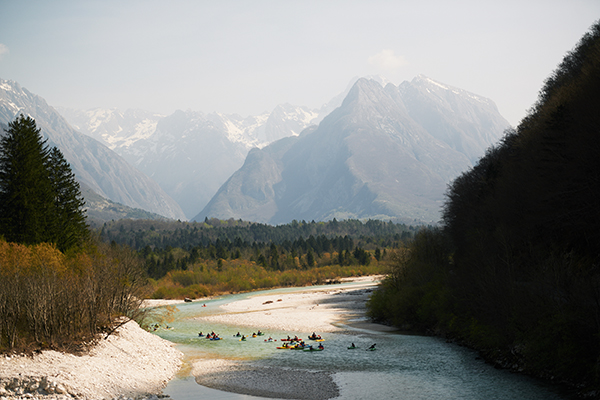
Paddling for the “blue heart” of Europe
The end of March saw the start of the Balkan Rivers Tour in Slovenia, the largest water protection action in Europe. The aim is to protect its last unspoilt rivers.
Strange but true...
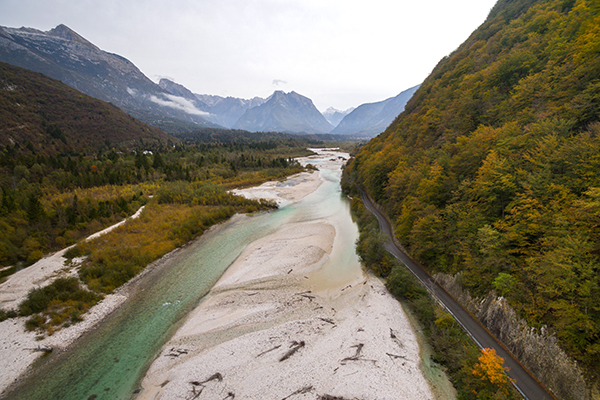
International Day of Action for Rivers
Fishing, farming, swimming, canoeing, hiking, drinking…. All in all, we are thousands of people benefiting from the resources provided by alpine rivers. However, only healthy rivers can provide these so-called ecosystem services. Alpine river ecosystems are vulnerable and often under pressure from various human activities. Can we do more to protect them? Yes!
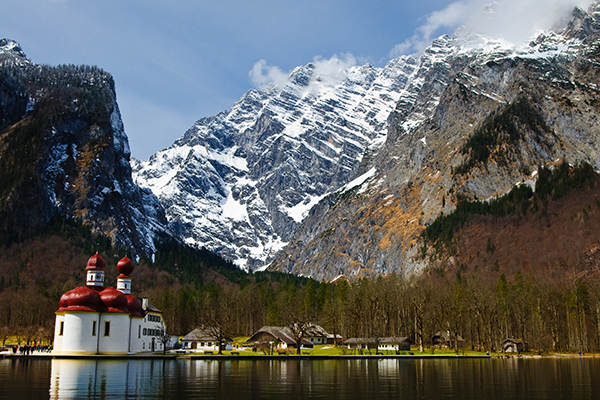
Economic activity in mountain areas
What can – and cannot – mountain areas do? Two new studies from Germany and Switzerland show the opportunities and weaknesses of regional economies and demonstrate that mountain areas can help in determining their own economic future.
Events
|
Symposium 2: Vernacular Buildings in the Anthropocene | Austrian Academy of Sciences, Vienna (Austria) |
Projects
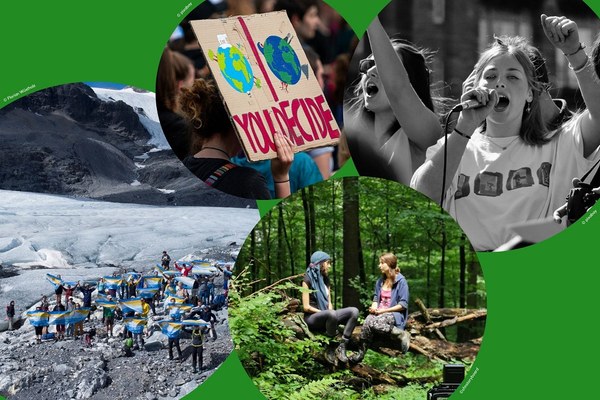
CIPRA International
Alpine Climate Action
[Project completed] From classic forms of political participation to creative methods of non-violent civil resistance: in four online workshops, young adults learn about a range of political engagement – and how they can use it to campaign for climate protection.
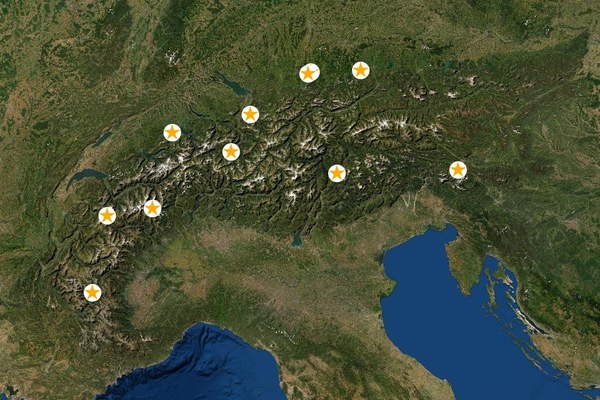
CIPRA International
Saving:Soils
[Project completed] With its project “Saving:Soils”, CIPRA is working for a trend reversal in the use of land in peri-urban areas in order to put scientific findings into practice, make pilot examples visible and encourage imitation.
CIPRA International
Alpine Convention - Sectoral development of the Green Economy in the Alpine region
[Project completed] Promoting environmentally sustainable growth while recognising ecological limits: the Green Economy is low-carbon, resource-efficient and socially inclusive. This form of economy preserves the Alpine ecosystem while making use of existing natural capital.