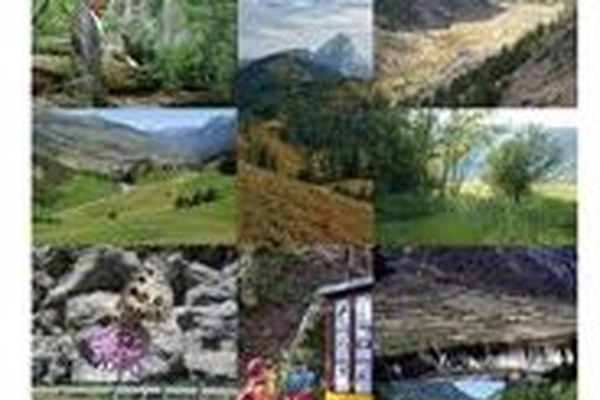
Act now to protect forests: sign the #HandsOffNature petition!
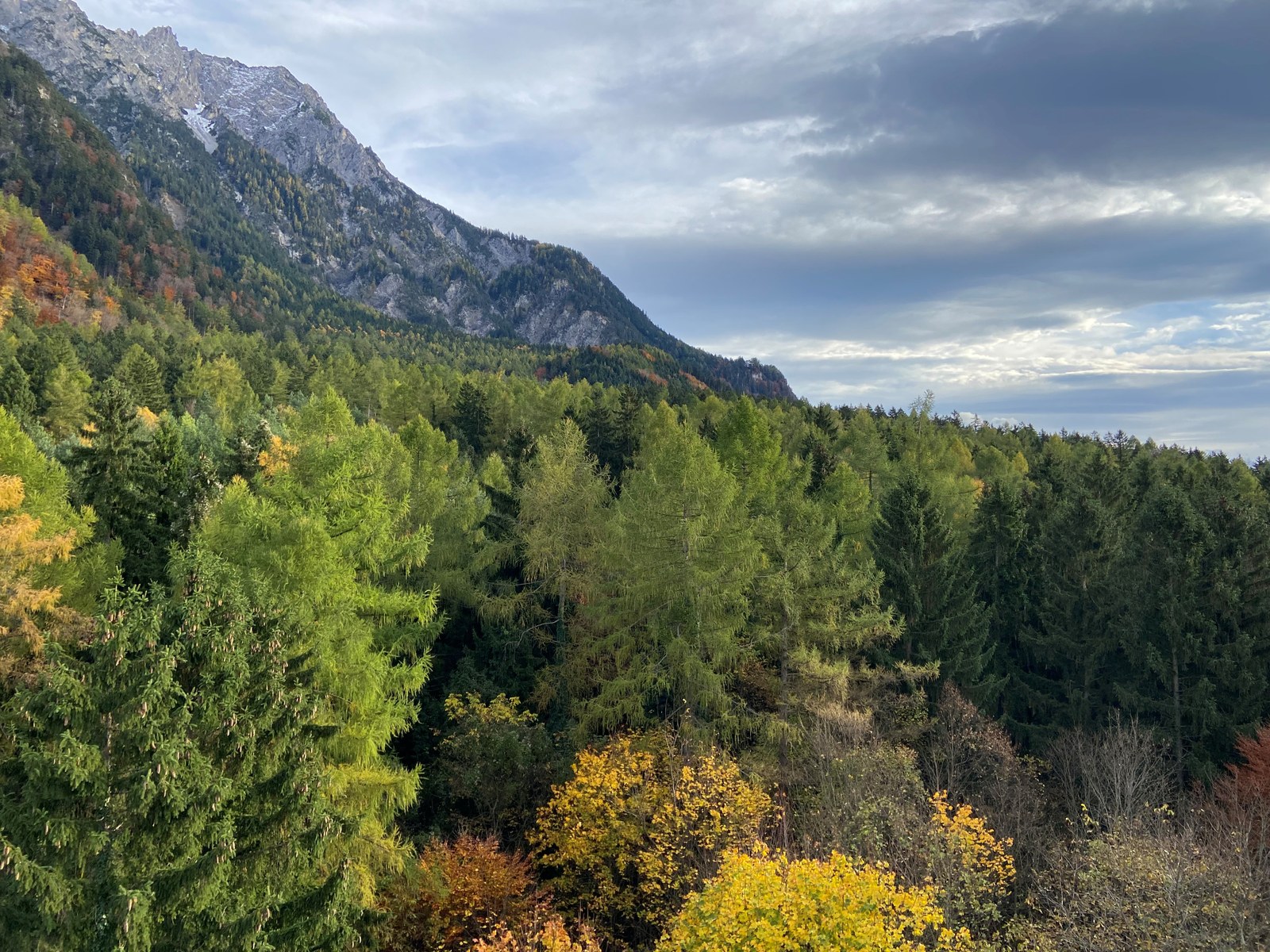
More than 40 percent of the Alpine region is covered by forests. They are not only a defining feature of the landscape, but also a cornerstone of Alpine livelihood, providing building materials, supporting biodiversity, and delivering essential ecosystem services.

Who is CIPRA?
Find out more!
More articles

Point of view: Adaptation to climate change is inevitable
Despite progress in international climate policy, a rise in temperatures is inevitable. An adaptation now will save costs later, states Wolfgang Pfefferkorn, project manager for climate and energy at CIPRA International. Alpine regions are leading the way.

The Alpine Convention declares itself in favour of the “Green Economy”
How should a sustainable economy in the Alpine region look? The Alpine conference held in Grassau, Germany, in October 2016 adopted a report on this topic: its implementation will show how well-suited it actually is.
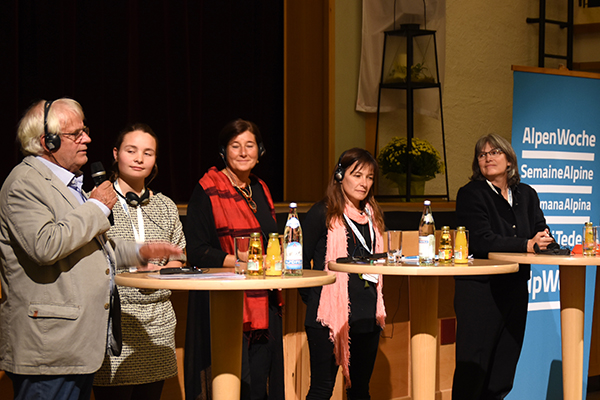
Taking small steps together
Last week’s AlpWeek held in Grassau/DE saw the focus on people and their relations with the Alps. The topics of migration and youth participation were particular subjects of discussion.
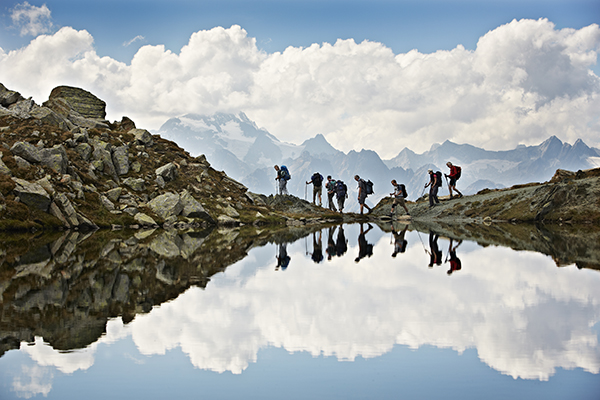
On foot through the Alps
From June to September 2017 the “whatsalp” group of mountain enthusiasts will be crossing the Alps from east to west, documenting the changes to the Alpine regions as they go. CIPRA will be accompanying them as a project partner.
Events
|
Trento Film Festival | Santa Croce street, 67; I-38122 Trento | |
|
ForumAlpinum 2026 | Aosta | |
|
Webinar: The journey of water | online | |
|
XIV European Mountain Convention | Sallanches / France | |
|
Alps in Motion: new Alpine-wide Day of Action | alpswide |
Projects
CIPRA International
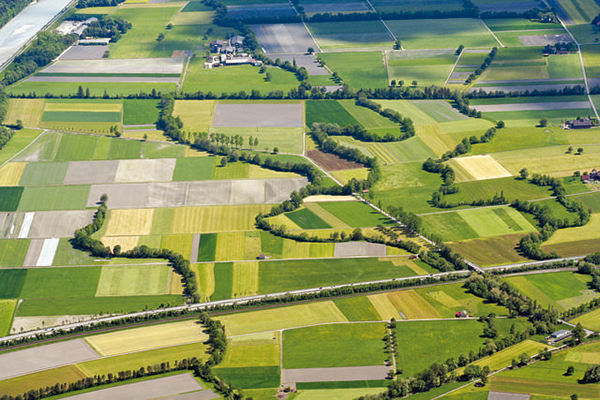
Ecological Continuum Initiative
[Project completed] Nature does not stop at the boundaries of protected areas or national borders. And, more and more often, man’s interventions in nature and the landscape are dissecting habitats and lastingly obstructing the exchange and migration of fauna and flora. This is putting Europe’s unique biodiversity in the Alps at risk.