
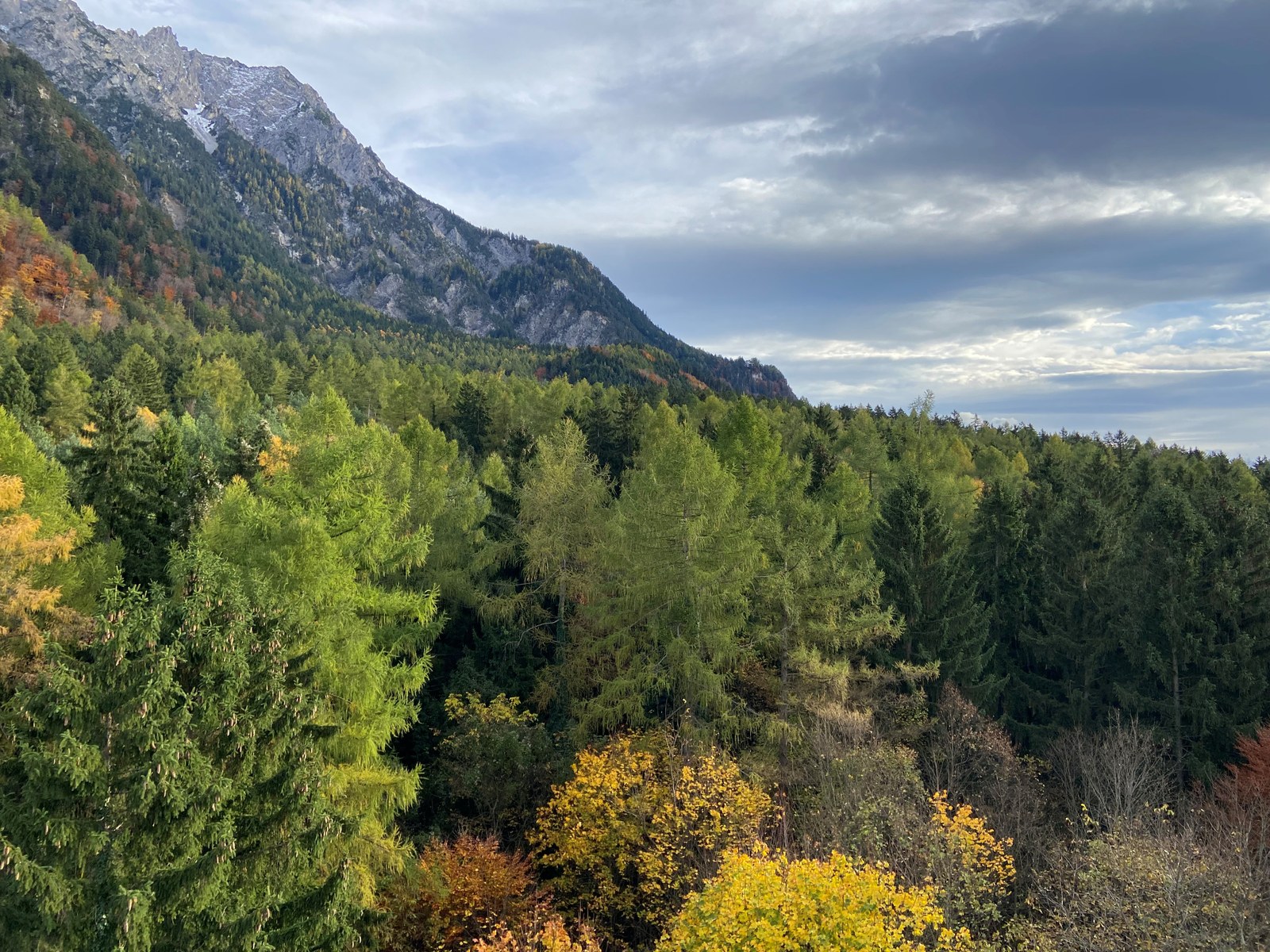
Act now to protect forests: sign the #HandsOffNature petition!
More than 40 percent of the Alpine region is covered by forests. They are not only a defining feature of the landscape, but also a cornerstone of Alpine livelihood, providing building materials, supporting biodiversity, and delivering essential ecosystem services.

Who is CIPRA?
Find out more!
More articles

Point of view: A strategy for people in the Alps
The European strategy for the Alps is intended to create new relationships between Alpine regions and the surrounding areas. This however requires oversight to ensure the reconciliation of interests as well as sustainable development, says Andreas Pichler, director of CIPRA international.
The Alpine Convention in action
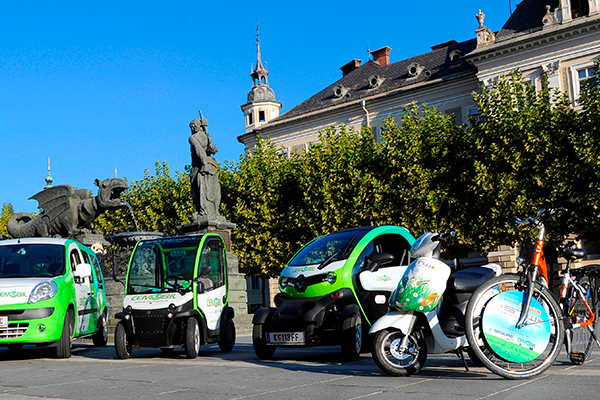
Urban areas are not often directly thought of in connection with the Alpine Convention - “the Alps are mountains, not cities” is the refrain. The Austrian city of Klagenfurt contradicts such views.
alpMedia
Rendezvous of friends of the Alps
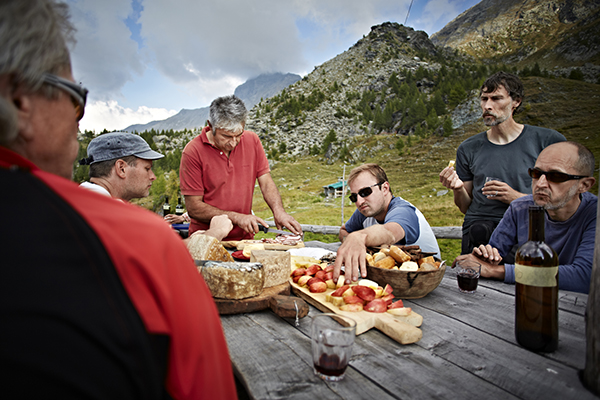
Migration and depopulation, perspectives of traditional crafts, climate change, health. These are some of the topics that will be discussed during the AlpWeek 2016. The meeting is being planned for October by leading Alpine-wide organisations, including CIPRA.
alpMedia
Joint commitment to the Alpine space
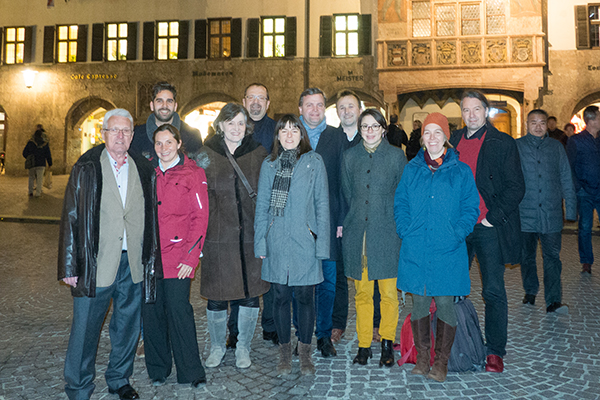
The interaction between CIPRA International and the “Alliance in the Alps” goes back to the foundation of the latter in 1997. The basis for co-operation has now been renewed at a strategy meeting.
Events
|
Symposium 2: Vernacular Buildings in the Anthropocene | Austrian Academy of Sciences, Vienna (Austria) |
Projects
CIPRA International | CIPRA Deutschland | CIPRA Italia | CIPRA France
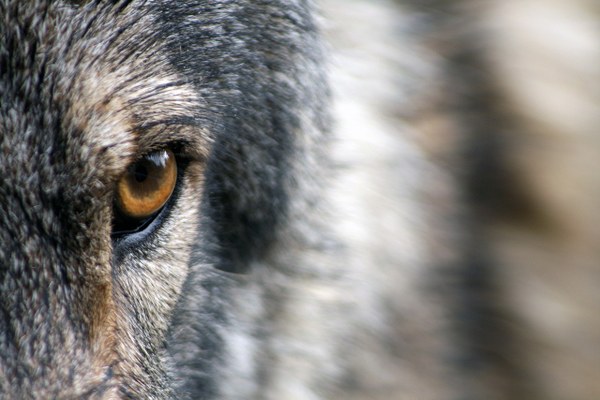
Knowledge transfer on the co-adaptation of humans and wolves in the Alpine region
[Project completed] The return of large carnivores is increasingly causing the fronts to harden between different groups of stakeholders. Among the large carnivores returning to the Alps, the wolf is the most widespread and therefore the most widely debated animal. Wolves are synanthropic animals and cross boundaries - physical as well as intangible ones – regularly. Thus, they have been accompanying and influencing social and cultural processes since time immemorial. In this project, CIPRA has taken on the task to collect, analyse, make available and disseminate knowledge about the co-adaptation of humans and wolves throughout the Alps.