
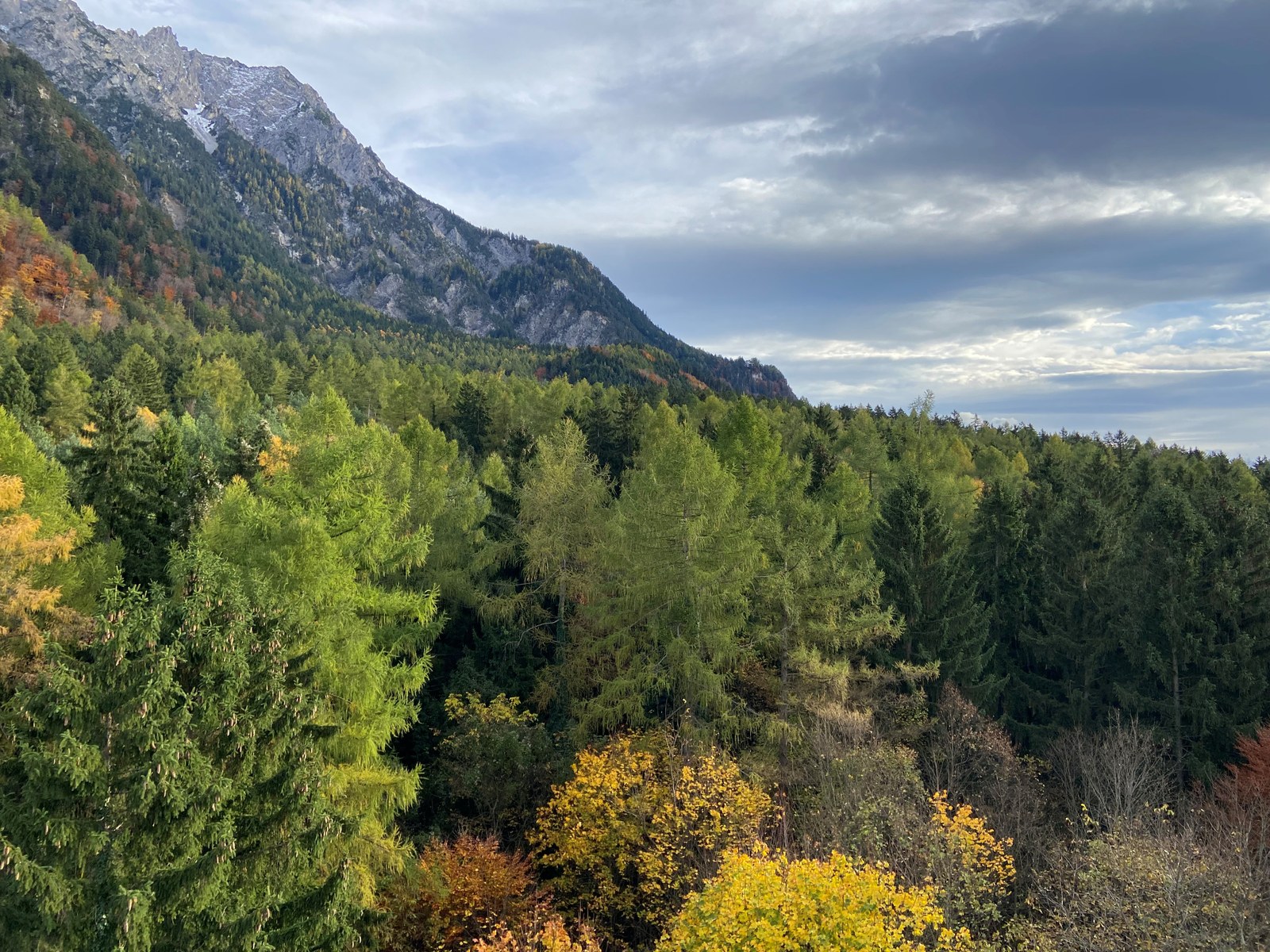
Act now to protect forests: sign the #HandsOffNature petition!
More than 40 percent of the Alpine region is covered by forests. They are not only a defining feature of the landscape, but also a cornerstone of Alpine livelihood, providing building materials, supporting biodiversity, and delivering essential ecosystem services.

Who is CIPRA?
Find out more!
More articles

Michael Gams, CIPRA International
A heat record for June at 5,000 metres
For the first time ever, above-freezing temperatures in June were recorded at over 5,000 metres in the Alps – a new heat record with symbolic significance. At the same time, the new climate report for Austria confirms that the Alpine region is particularly affected by climate change.
Maya Mathias, CIPRA International
Alpine water: who gets the last drop?
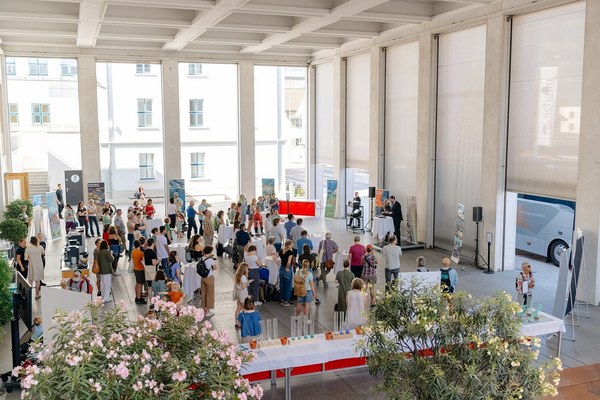
Climate change, increasing soil sealing and pollution are all threats to water in the Alps. At the second Liechtenstein FutureForum Alps in Schaan, held at the end of June 2025, around 160 participants from various Alpine countries discussed the future of the water supply.

Laura Haberfellner, CIPRA International Lab
Innovation to counter emigration
Emigration and the brain drain in the Alpine region: a new EU project involving CIPRA aims to counteract this trend. It is testing innovative governance models to strengthen mountain regions and create a win-win situation for regions of origin, destinations and young emigrants.
Anna Planitzer, CIPRA International
Good prospects for bearded vultures
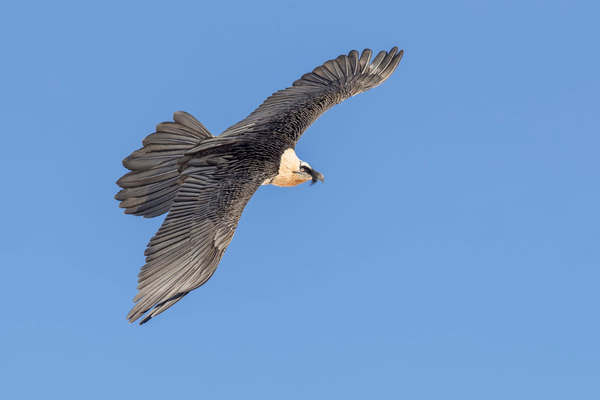
Once extinct, now once again native to the Alps: the reintroduction of bearded vultures to the Alpine region has been successful and the population is growing, as a recent study from Switzerland shows. The greatest threat to these birds of prey remains humans.
Events
|
Symposium 2: Vernacular Buildings in the Anthropocene | Austrian Academy of Sciences, Vienna (Austria) |
Projects
CIPRA International | CIPRA Deutschland | CIPRA Italia | CIPRA France
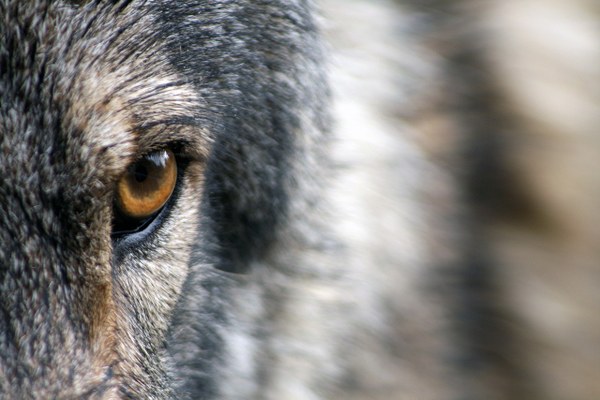
Knowledge transfer on the co-adaptation of humans and wolves in the Alpine region
[Project completed] The return of large carnivores is increasingly causing the fronts to harden between different groups of stakeholders. Among the large carnivores returning to the Alps, the wolf is the most widespread and therefore the most widely debated animal. Wolves are synanthropic animals and cross boundaries - physical as well as intangible ones – regularly. Thus, they have been accompanying and influencing social and cultural processes since time immemorial. In this project, CIPRA has taken on the task to collect, analyse, make available and disseminate knowledge about the co-adaptation of humans and wolves throughout the Alps.