
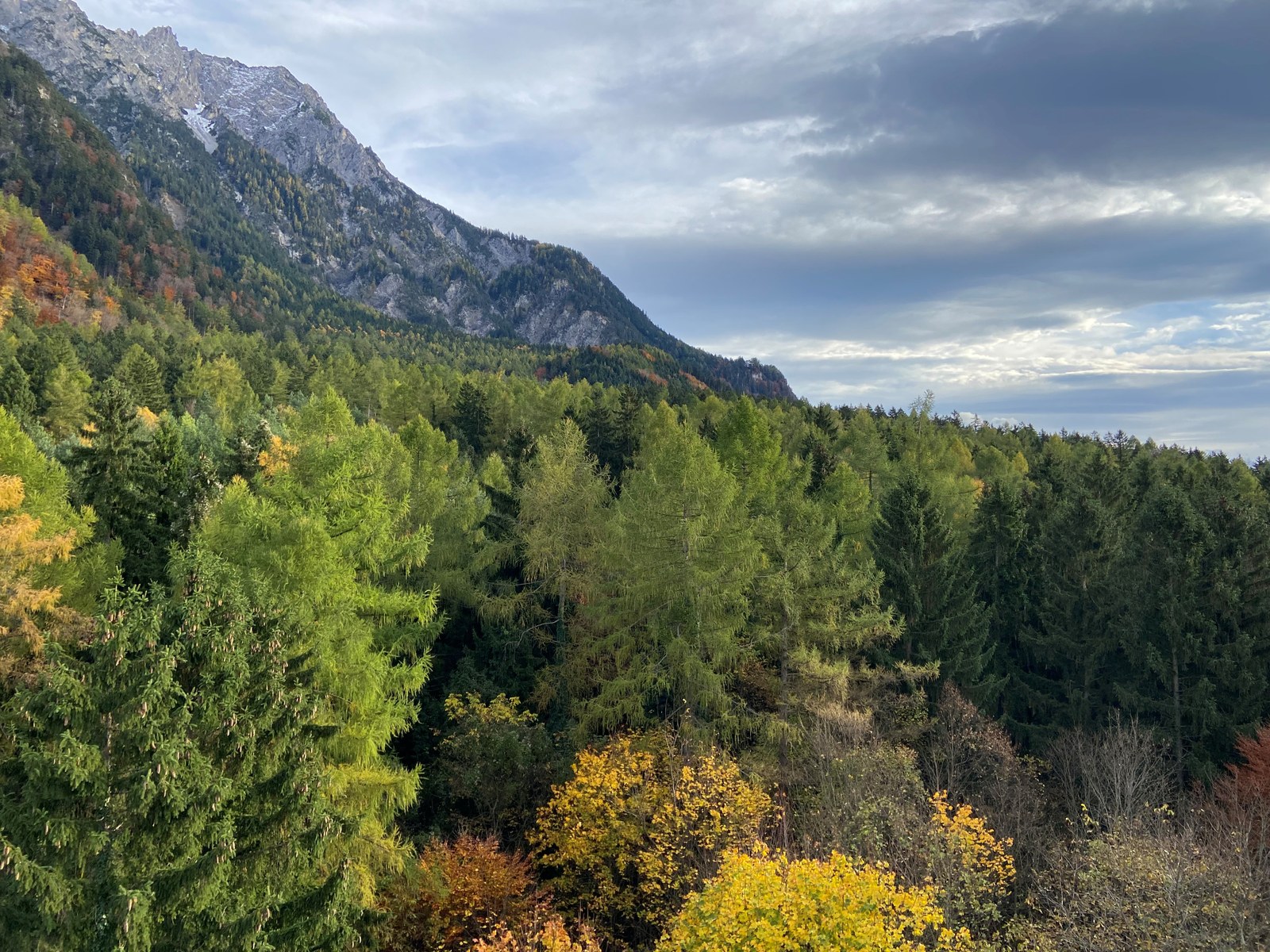
Act now to protect forests: sign the #HandsOffNature petition!
More than 40 percent of the Alpine region is covered by forests. They are not only a defining feature of the landscape, but also a cornerstone of Alpine livelihood, providing building materials, supporting biodiversity, and delivering essential ecosystem services.

Who is CIPRA?
Find out more!
More articles

alpMedia
Point of view: 25 years of the Alpine Convention are not enough
While we celebrate 25 years of the Alpine Convention, we still bemoan the slow pace of its implementation. For its objectives to be achieved, believes Katharina Conradin, President of CIPRA International, we have to repeatedly demand their realisation.

alpMedia
CIPRA and the Alpine Convention: a fruitful co-operation
An architectural competition, a climate conference, activities with young people: CIPRA and the Alpine Convention have a lot in common, as the current annual report of CIPRA International makes clear.
alpMedia
Change is in the air
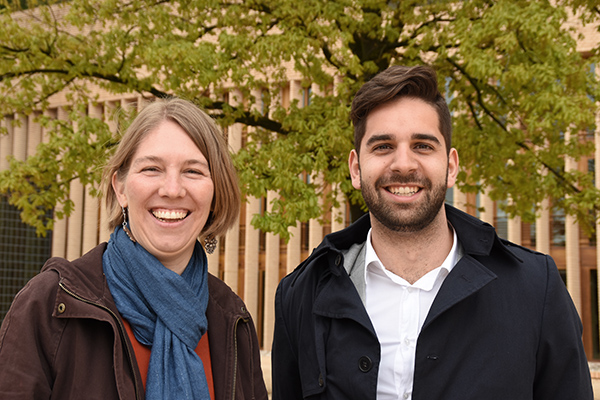
A change of executive director at CIPRA International and at CIPRA Austria, and a new president for CIPRA Switzerland: the new faces shaping the future of CIPRA.
alpMedia
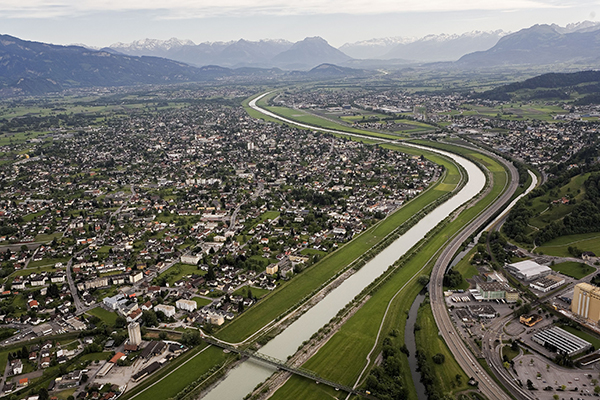
One river, numerous desires: disagreements about the Alpine Rhine
A current bone of contention between different interest groups is the priority to be given to the various uses made of the Alpine Rhine: as a farming area, as a habitat for the little ringed plover and the German tamarisk, or as a drinking water reservoir. SPARE, a new European Union project for the Alpine region, will offer assistance for the holistic management of watercourses.
Events
|
Local Peaks, Global Learning | online | |
|
Transhumance as Intangible Cultural Heritage of Humanity: A Way Forward? | MUCEM, Marseille/France | |
|
Growing alternative crops for new market opportunities in a changing climate | Vienna/Austria | |
|
Trento Film Festival | Santa Croce street, 67; I-38122 Trento | |
|
ForumAlpinum 2026 | Aosta |
Projects
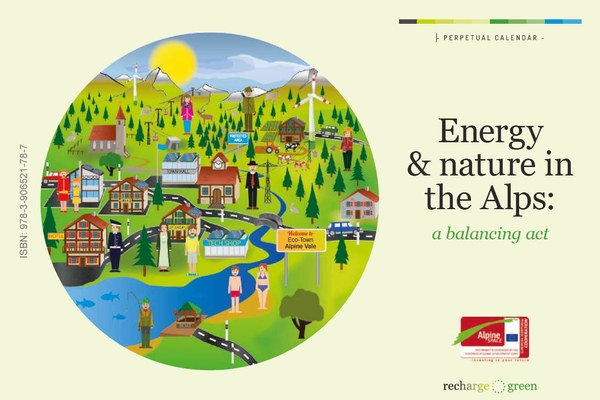
CIPRA International | CIPRA Deutschland | CIPRA Italia | CIPRA France
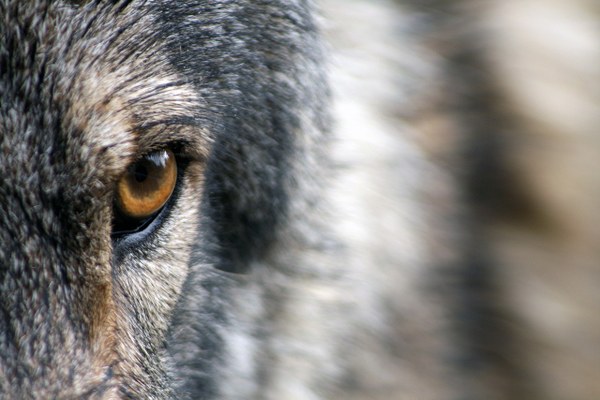
Knowledge transfer on the co-adaptation of humans and wolves in the Alpine region
[Project completed] The return of large carnivores is increasingly causing the fronts to harden between different groups of stakeholders. Among the large carnivores returning to the Alps, the wolf is the most widespread and therefore the most widely debated animal. Wolves are synanthropic animals and cross boundaries - physical as well as intangible ones – regularly. Thus, they have been accompanying and influencing social and cultural processes since time immemorial. In this project, CIPRA has taken on the task to collect, analyse, make available and disseminate knowledge about the co-adaptation of humans and wolves throughout the Alps.