Act now to protect forests: sign the #HandsOffNature petition!
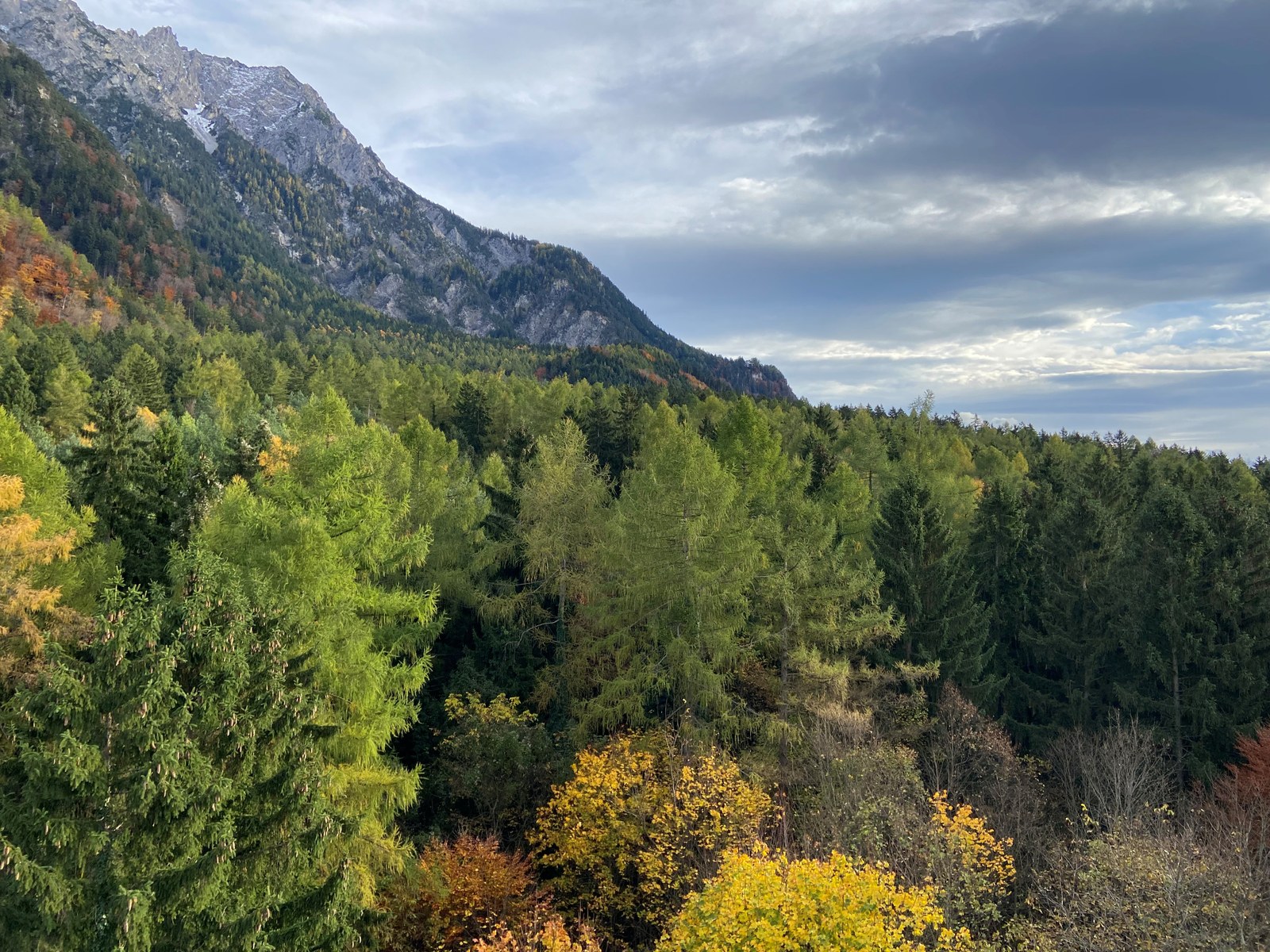
More than 40 percent of the Alpine region is covered by forests. They are not only a defining feature of the landscape, but also a cornerstone of Alpine livelihood, providing building materials, supporting biodiversity, and delivering essential ecosystem services.

Who is CIPRA?
Find out more!
More articles
alpMedia
Alpine regional strategy on the starting blocks
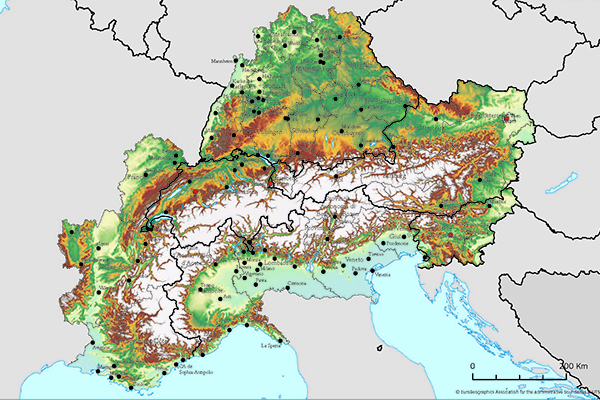
The European strategy for the Alps is ready. There nevertheless remain some challenges to its effective and sustainable implementation.
alpMedia
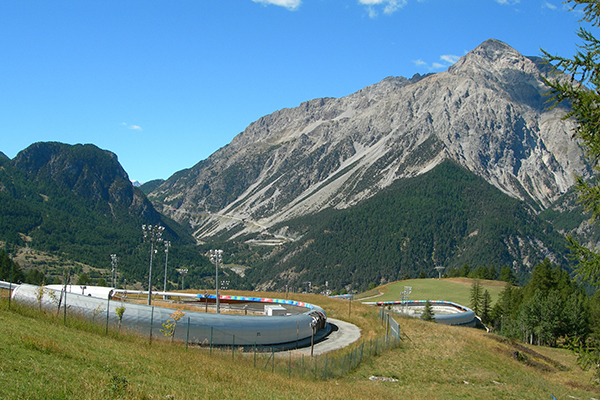
Swiss reheat Olympic candidacy
Two Swiss cantons, Graubünden (Grisons) and Wallis (Valais), are now competing to host the Winter Olympics – even though voters in Graubünden rejected a proposed candidacy in 2013, and it has already failed several times in Wallis.
alpMedia
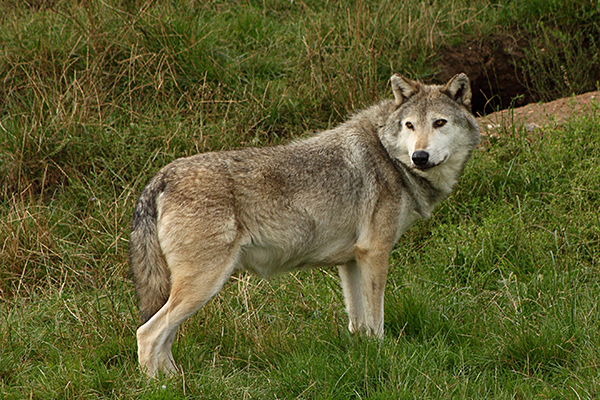
Crying wolf?
The protected status of the wolf is being ever more vehemently called into question. French sheep farmers have fuelled the debate further by taking hostages. Those living in the mountains meanwhile remain divided.
alpMedia
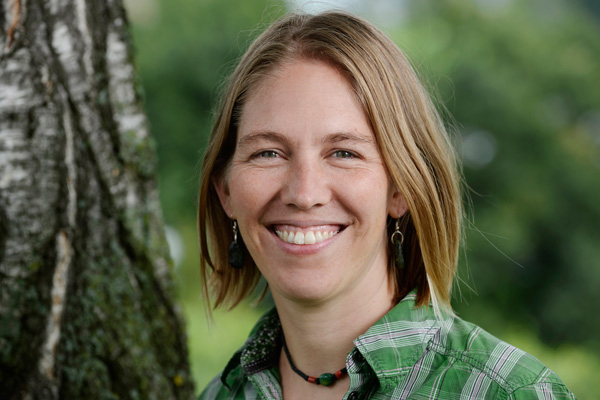
Point of view: Change begins in the heart
Claire Simon, Executive Director of CIPRA International, used the occasion of the 2015 CIPRA annual conference to call for more engagement with people and their ways of thinking in order to strengthen the natural and cultural diversity of the Alps.
Events
|
Local Peaks, Global Learning | online | |
|
Transhumance as Intangible Cultural Heritage of Humanity: A Way Forward? | MUCEM, Marseille/France | |
|
Growing alternative crops for new market opportunities in a changing climate | Vienna/Austria | |
|
Trento Film Festival | Santa Croce street, 67; I-38122 Trento | |
|
ForumAlpinum 2026 | Aosta |
Projects
CIPRA International
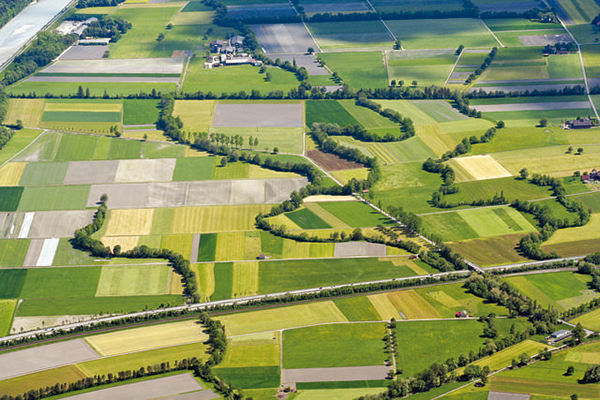
Ecological Continuum Initiative
[Project completed] Nature does not stop at the boundaries of protected areas or national borders. And, more and more often, man’s interventions in nature and the landscape are dissecting habitats and lastingly obstructing the exchange and migration of fauna and flora. This is putting Europe’s unique biodiversity in the Alps at risk.