
Act now to protect forests: sign the #HandsOffNature petition!
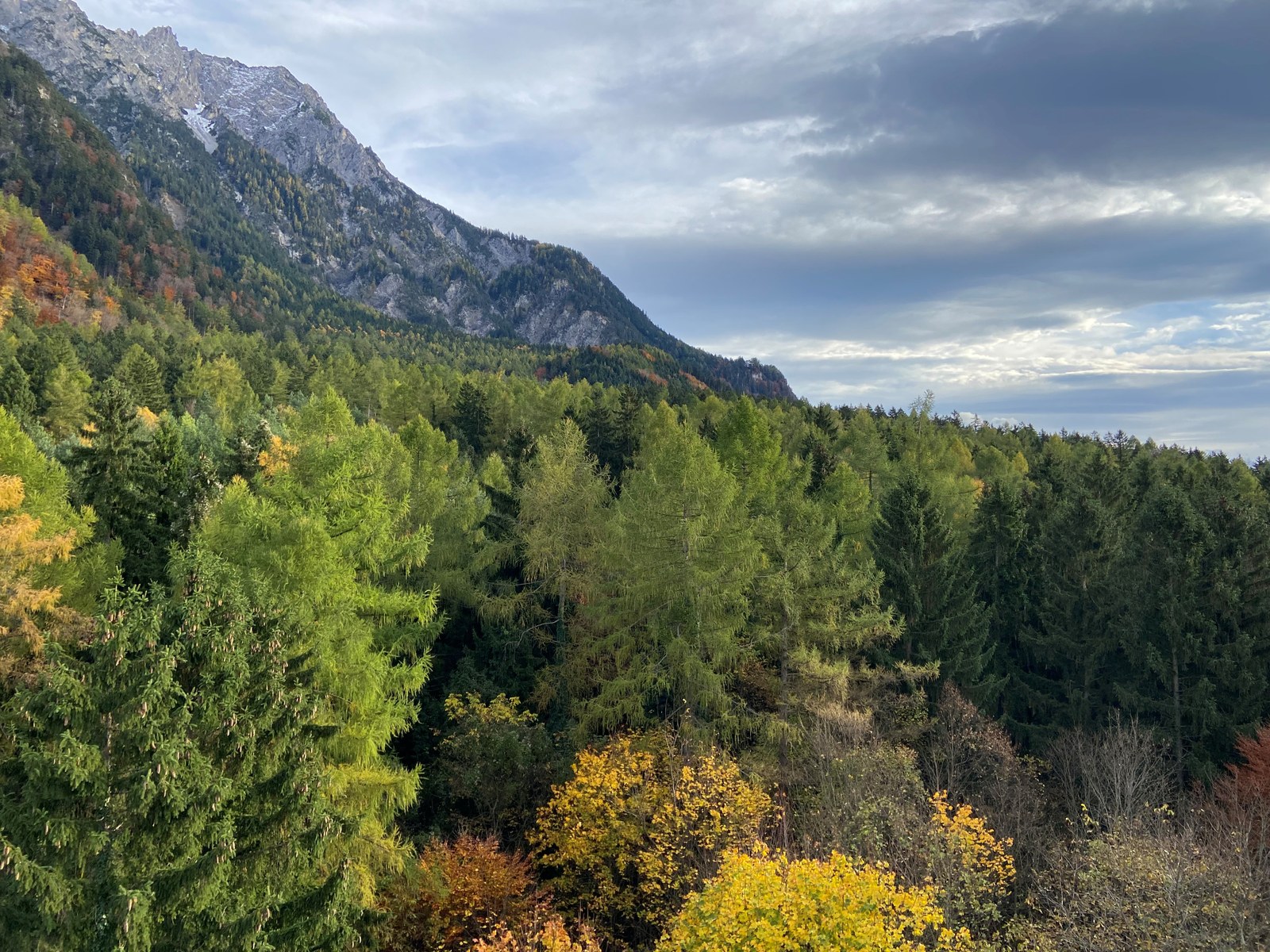
More than 40 percent of the Alpine region is covered by forests. They are not only a defining feature of the landscape, but also a cornerstone of Alpine livelihood, providing building materials, supporting biodiversity, and delivering essential ecosystem services.

Who is CIPRA?
Find out more!
More articles
Gams Michael, CIPRA International
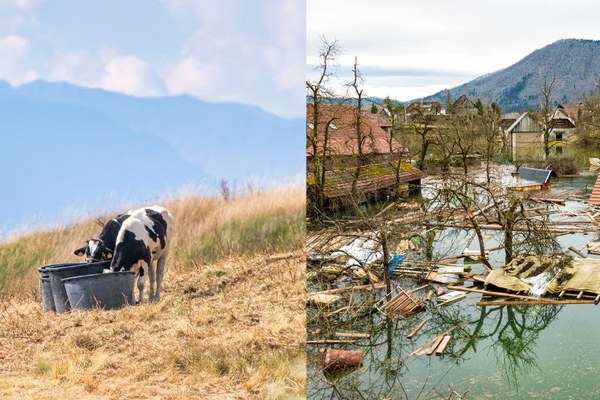
Climate risks: better to prepare than to wait
Early warning systems for heavy rainfall, prediction models for droughts: the MultiBios project, completed in April 2025, saw biosphere parks from German-speaking countries sharing their experiences in dealing with climate risks. A research team investigated their role in natural hazard management.
Michael Gams, CIPRA International
Voices along the Via Alpina
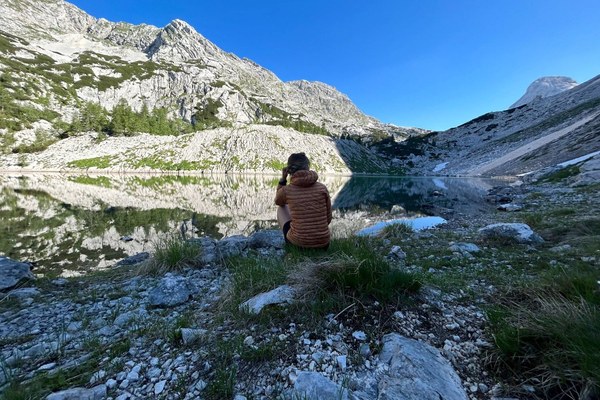
The Via Alpina has been connecting people, cultures and landscapes across the Alps for 25 years now. A multilingual podcast series tells its story, highlights the challenges and opportunities of long-distance hiking and raises awareness of sustainable tourism in the Alps.
Caroline Begle, CIPRA International
Working together for the future of the Alps
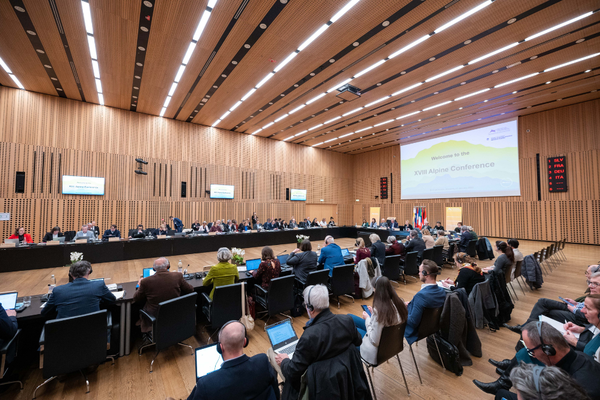
On the 22nd of January the Slovenian Presidency of the Alpine Convention hosted the Alpine Conference in Brdo/SI. A central theme was the quality of life in the Alpine region, which is also the subject of the tenth Report on the State of the Alps.
Caroline Begle, CIPRA International
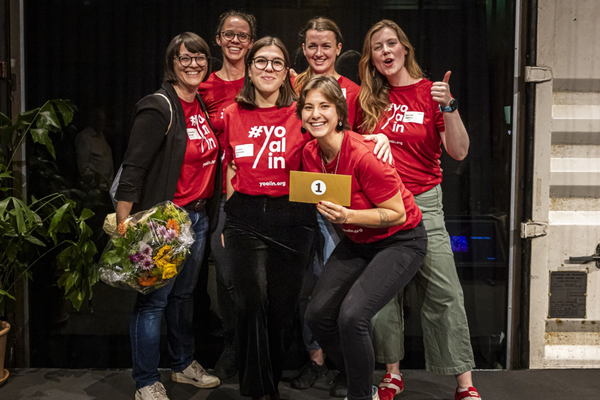
YOALIN wins climate competition
CIPRA’s project received the Clima Now Foundation’s Spotlight Prize, worth CHF 50,000. YOALIN is committed to climate-friendly travel.
Events
|
Youth Parliament to the Alpine Convention: Climate Resilient Development | ||
|
The Better-Cities Event | Ljubljana | |
|
Local Peaks, Global Learning | online | |
|
Transhumance as Intangible Cultural Heritage of Humanity: A Way Forward? | MUCEM, Marseille/France | |
|
Growing alternative crops for new market opportunities in a changing climate | Vienna/Austria |
Projects
CIPRA International
Living Labs
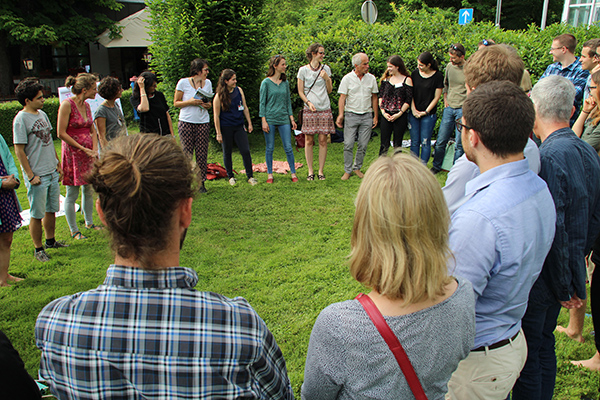
[Project completed] The project “Living Labs” brought together people of different ages from different Alpine countries to work together on process and know-how on selected topics. The project approach was participative and based on the principles of co-creation between young talents aged 18-30 years, environmental NGOs, civil society and politicians. The participants of this intergenerational project are committed to the sustainable development of the Alps at local, national and international level. For a desirable future it is important to set the right course today and to talk about how existing natural resources can be used sustainably.
CIPRA International | CIPRA Deutschland | CIPRA France | CIPRA Italia | CIPRA Slovenija
Sustainable Alpine Tourism
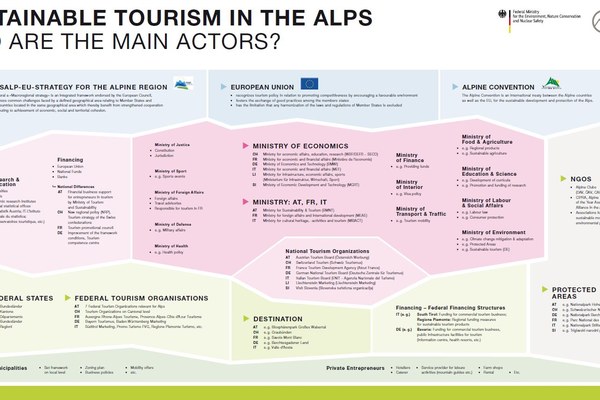
[Project completed] Sustainable tourism in the Alps is the only long-term alternative to conventional mass tourism in order to safeguard the habitat for nature and people. So far, however, there is a lack of jointly defined framework conditions on anational or alpine level for planning, promoting and implementing sustainable tourism.
CIPRA International
Cross-border mobility
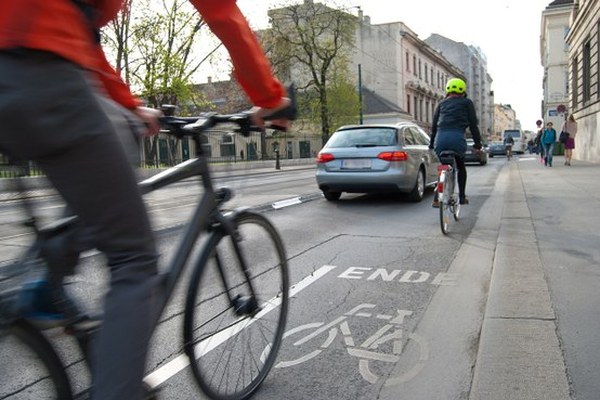
[Project completed] Tens of thousands of commuters move across national borders every day in the Alpine region. Existing traffic routes, however, were mostly built with a purely national perspective and are not geared to cross-border commuter flows. The result is overloaded roads, noise and pollution for local residents.