
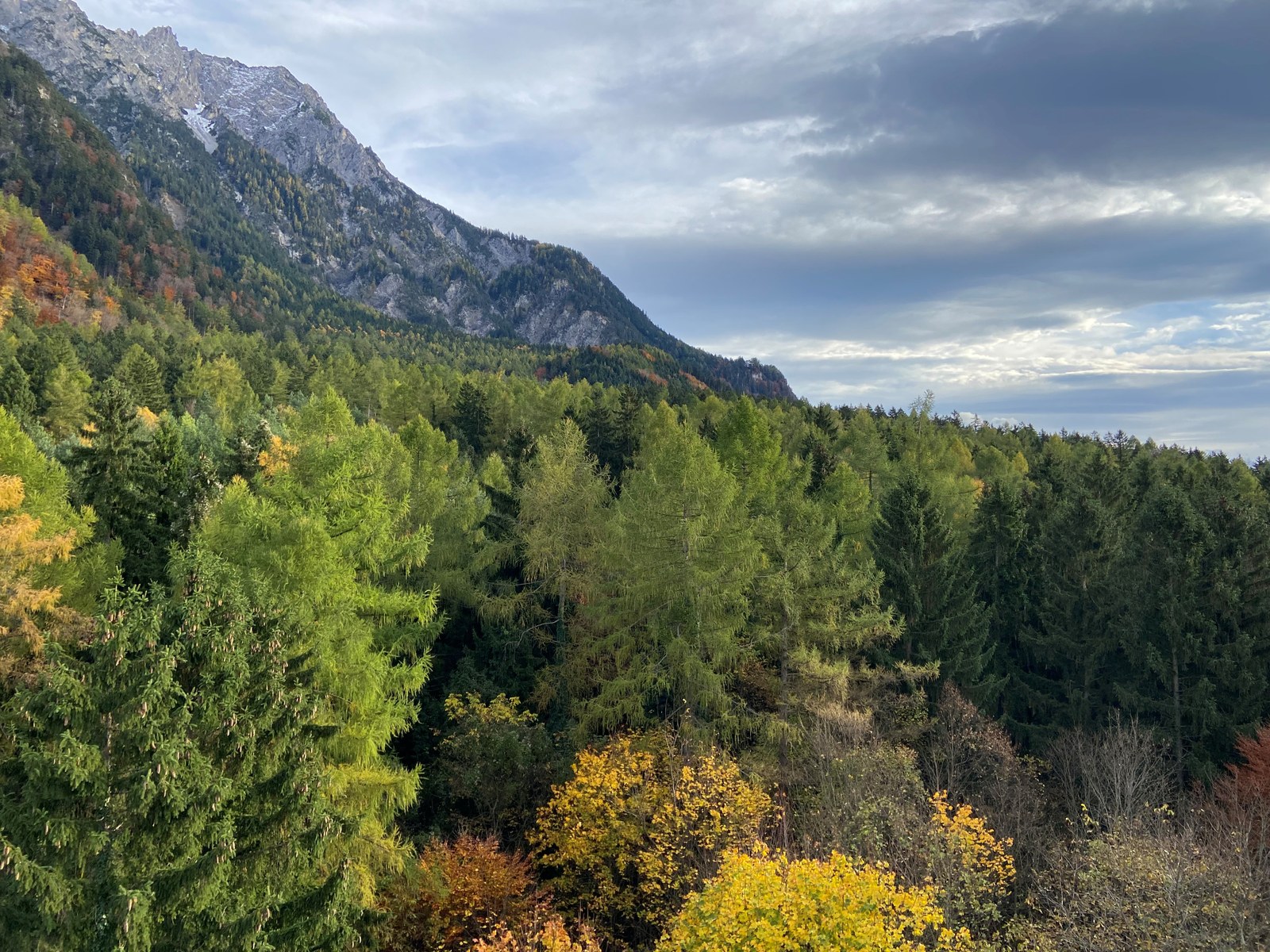
Act now to protect forests: sign the #HandsOffNature petition!
More than 40 percent of the Alpine region is covered by forests. They are not only a defining feature of the landscape, but also a cornerstone of Alpine livelihood, providing building materials, supporting biodiversity, and delivering essential ecosystem services.

Who is CIPRA?
Find out more!
More articles
alpMedia | Schaan, LI
Land for all
Fewer and fewer areas remain untouched by building development. Vorarlberg has therefore seen the establishment of the "Bodenfreiheit" (ground clearance) association, which is now successfully buying up land for public use.
alpMedia | Schaan, LI
..oh!
... the rapid pace of climate change in the Alps has seen two huge new residents moving to Monaco. The smallest state in the Alps, which is also a party to the Alpine Convention, is now home to its first elephants!
alpMedia
CIPRA viewpoint: for an environmentally friendly and participative energy transition
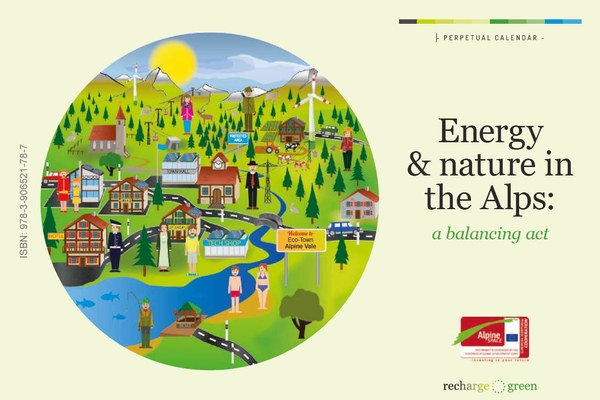
The energy transition is one answer to the threat of global warming and the explosive risks of nuclear energy. Erwin Rothgang, President of CIPRA Germany, speaks about the minimum requirements for the Bavarian Alps.
alpMedia | Schaan, LI
Adapting to climate change: see how it's done!
How do you make people sit up and take note of climate change? Using photos and video clips, the C3-Alps collection of examples says more than a thousand words.
Projects
CIPRA International | CIPRA Deutschland | CIPRA Italia | CIPRA France
Knowledge transfer on the co-adaptation of humans and wolves in the Alpine region
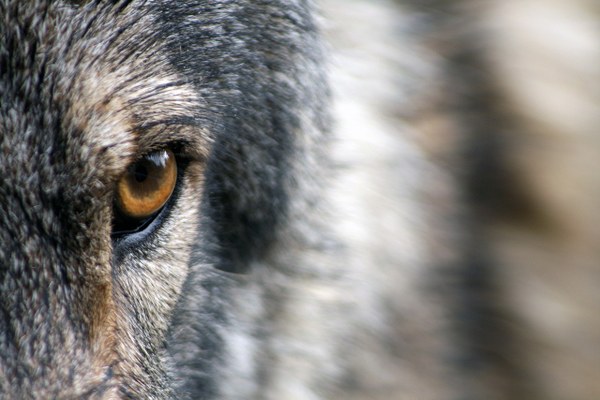
[Project completed] The return of large carnivores is increasingly causing the fronts to harden between different groups of stakeholders. Among the large carnivores returning to the Alps, the wolf is the most widespread and therefore the most widely debated animal. Wolves are synanthropic animals and cross boundaries - physical as well as intangible ones – regularly. Thus, they have been accompanying and influencing social and cultural processes since time immemorial. In this project, CIPRA has taken on the task to collect, analyse, make available and disseminate knowledge about the co-adaptation of humans and wolves throughout the Alps.