
Act now to protect forests: sign the #HandsOffNature petition!
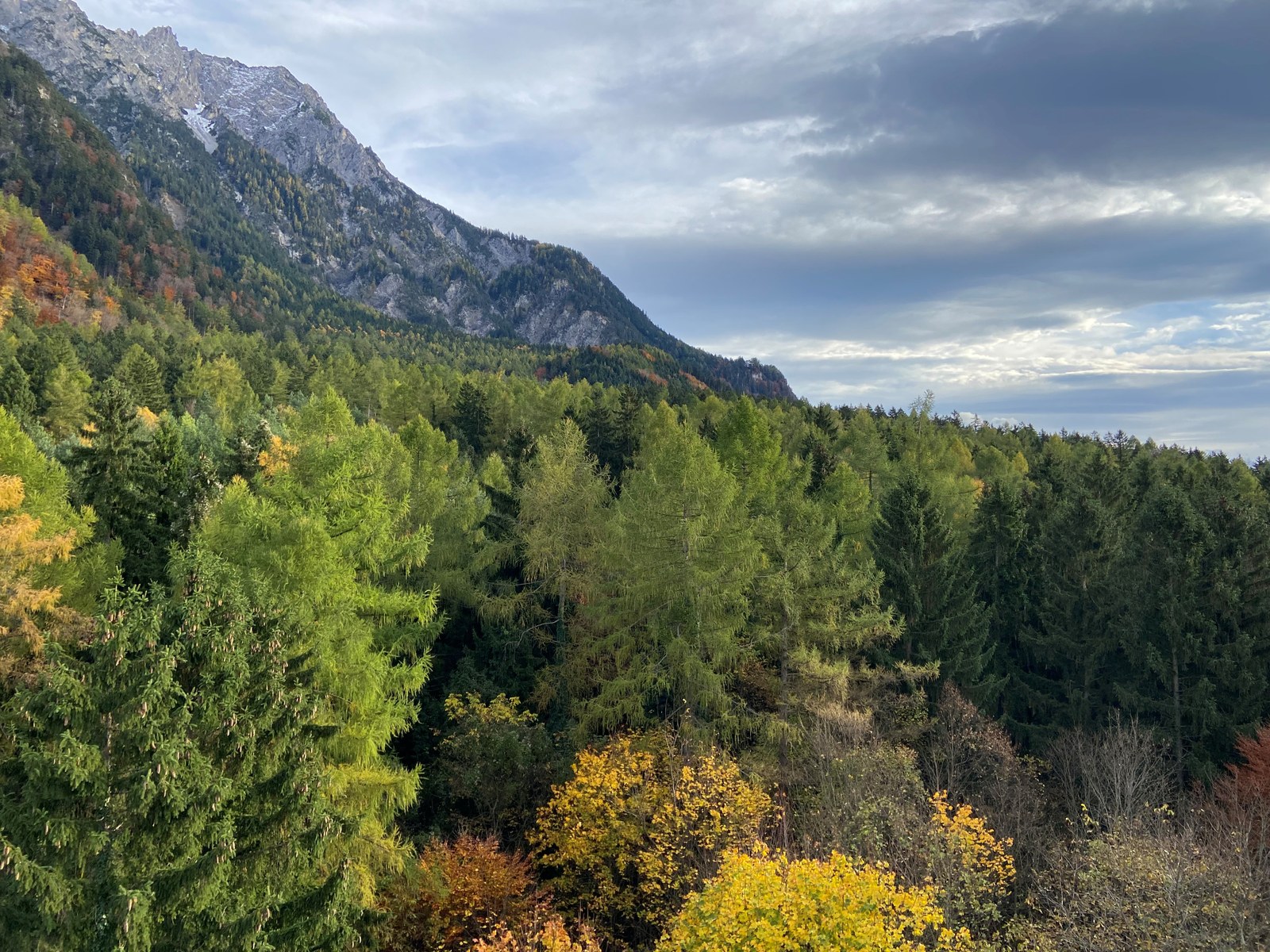
More than 40 percent of the Alpine region is covered by forests. They are not only a defining feature of the landscape, but also a cornerstone of Alpine livelihood, providing building materials, supporting biodiversity, and delivering essential ecosystem services.

Who is CIPRA?
Find out more!
More articles
alpMedia | Schaan, LI
Project GreenAlps for more species diversity
Laws in future are to aim more directly at promoting ecological networking in the Alps. Regions, protected areas and NGOs, including CIPRA, are therefore jointly initiating the GreenAlps project in the autumn.

alpMedia | Schaan, LI
...And action! Building for the Future
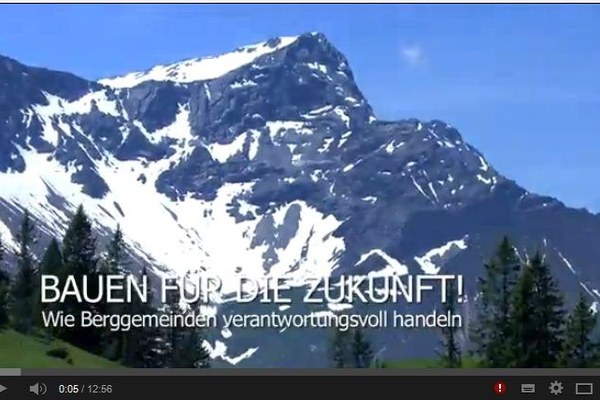
Municipalities in European mountain regions can act as pioneers for sustainable building, as shown by the short film "Building for the Future".

alpMedia | Schaan, LI
Alpine Convention: new Secretary-General takes office
Markus Reiterer began his new job on 1 July 2013 as Secretary-General of the Alpine Convention at the "Goldenes Dachl" in Innsbruck. The new head of the Permanent Secretariat talks about his aims.
alpMedia | Schaan, LI
Upgrading the high mountains
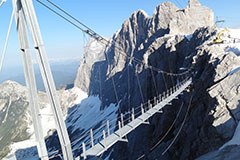
Austria's highest suspension bridge, including the "Steps into the Void", is intended to lure tourists to the Dachstein Glacier in a similar way to the recently opened "Du Gouter" luxury hut for walkers on Mont Blanc. The ways in which the Alpine mountain world courts visitors.
Events
|
Local Peaks, Global Learning | online | |
|
Transhumance as Intangible Cultural Heritage of Humanity: A Way Forward? | MUCEM, Marseille/France | |
|
Growing alternative crops for new market opportunities in a changing climate | Vienna/Austria | |
|
Trento Film Festival | Santa Croce street, 67; I-38122 Trento | |
|
ForumAlpinum 2026 | Aosta |
Projects
CIPRA International | CIPRA Deutschland | CIPRA Italia | CIPRA France
Knowledge transfer on the co-adaptation of humans and wolves in the Alpine region
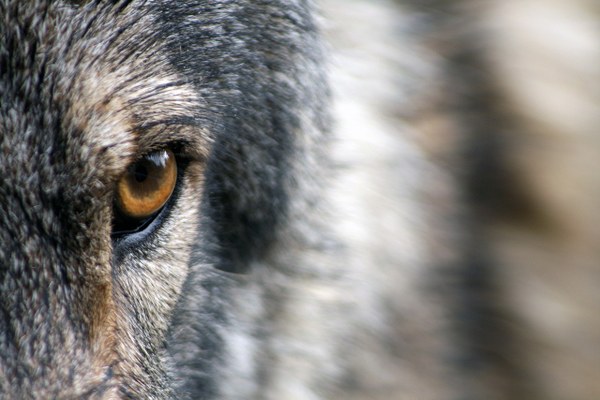
[Project completed] The return of large carnivores is increasingly causing the fronts to harden between different groups of stakeholders. Among the large carnivores returning to the Alps, the wolf is the most widespread and therefore the most widely debated animal. Wolves are synanthropic animals and cross boundaries - physical as well as intangible ones – regularly. Thus, they have been accompanying and influencing social and cultural processes since time immemorial. In this project, CIPRA has taken on the task to collect, analyse, make available and disseminate knowledge about the co-adaptation of humans and wolves throughout the Alps.