
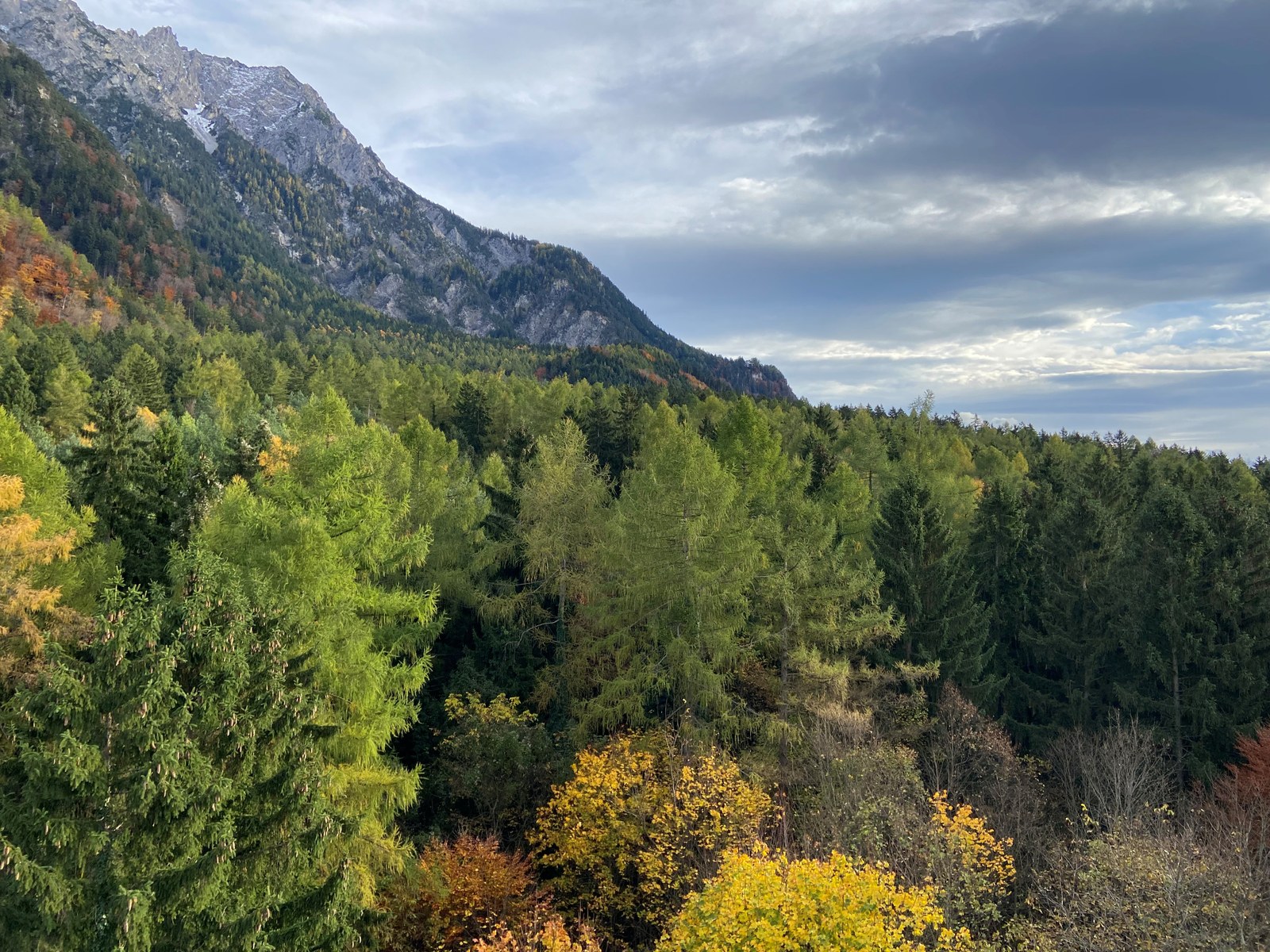
Act now to protect forests: sign the #HandsOffNature petition!
More than 40 percent of the Alpine region is covered by forests. They are not only a defining feature of the landscape, but also a cornerstone of Alpine livelihood, providing building materials, supporting biodiversity, and delivering essential ecosystem services.

Who is CIPRA?
Find out more!
More articles
alpMedia | Schaan, LI
Macro-region: Europe goes a step further
The European Parliament has adopted a resolution on a macro-regional strategy, while the Alpine Space Programme submitted an expert report to the European Union.
alpMedia
CIPRA's point of view: Shaping the macro-region Alps according to the Alpine Convention - but better
Many people in the Alps are afraid of being marginalised by the surrounding metropolitan areas. But the expansion of the sphere of action and influence also offers numerous opportunities - if we rise to the challenge, CIPRA believes.
alpMedia | Schaan, LI
CIPRA's Annual Conference: "The Alps as a Water Trough"
The "blue gold" of the Alps is limited in quantity and thus in high demand for use as drinking water, snow or electricity. At its Annual Conference in Bozen/Bolzano in October 2013, CIPRA will be asking who has the right to this elixir of life and who has responsibility for it.

alpMedia | Schaan, LI
New strategy for the Alpine Space Programme
What does the future hold for the Alps? Which projects should the European Union co-finance? A study now provides answers and establishes a framework for the new funding period for the European Alpine Space Programme.
Projects
CIPRA International | CIPRA Deutschland | CIPRA Italia | CIPRA France
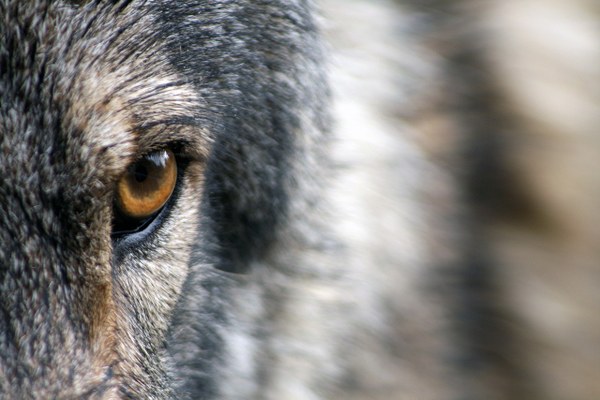
Knowledge transfer on the co-adaptation of humans and wolves in the Alpine region
[Project completed] The return of large carnivores is increasingly causing the fronts to harden between different groups of stakeholders. Among the large carnivores returning to the Alps, the wolf is the most widespread and therefore the most widely debated animal. Wolves are synanthropic animals and cross boundaries - physical as well as intangible ones – regularly. Thus, they have been accompanying and influencing social and cultural processes since time immemorial. In this project, CIPRA has taken on the task to collect, analyse, make available and disseminate knowledge about the co-adaptation of humans and wolves throughout the Alps.